
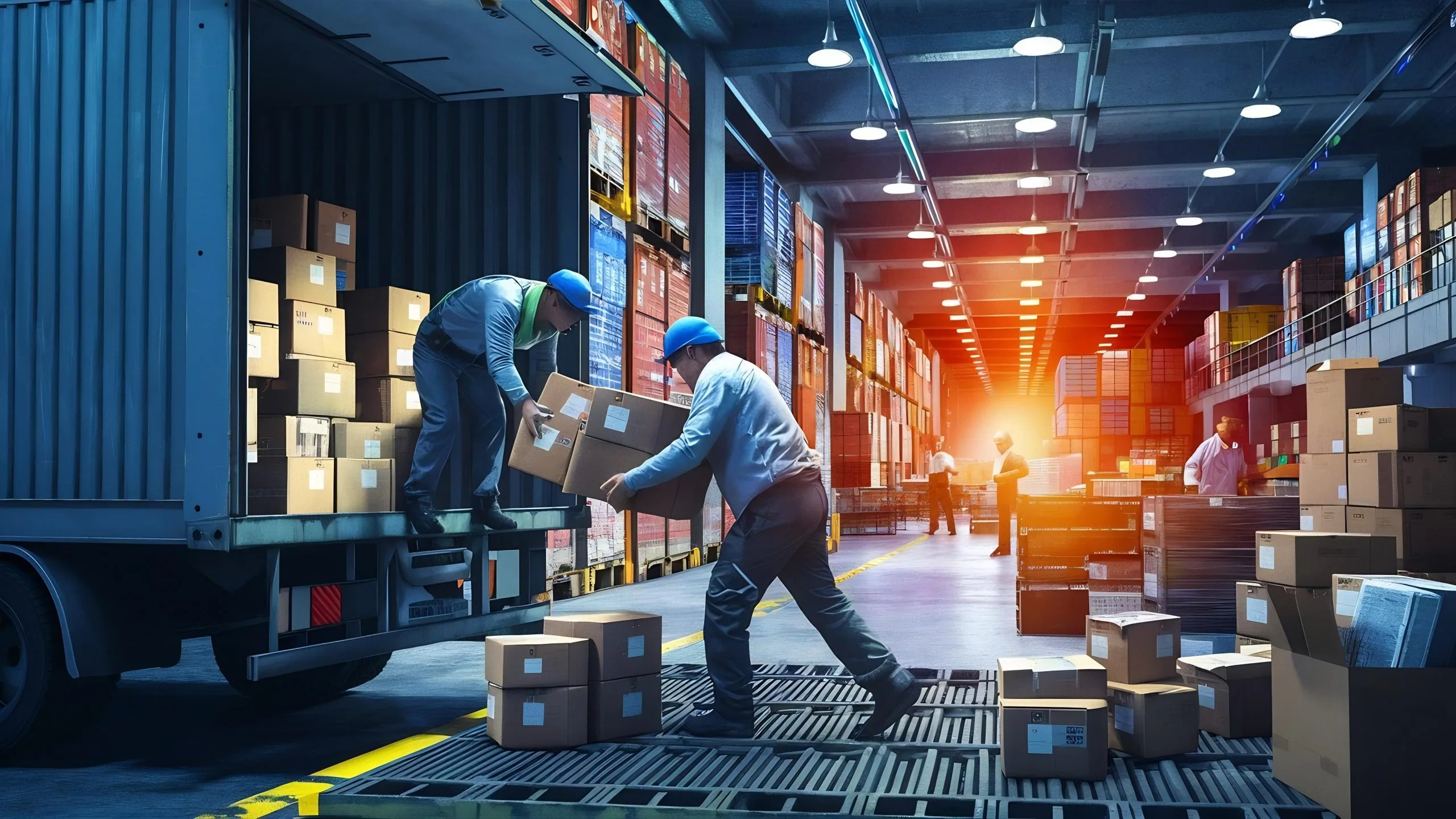
Australia’s third-party logistics (3PL) market has been quietly reshaping itself over the past few years. What was once a fairly transactional space built around storage and freight has started to look far more integrated. By 2026, many businesses across retail, healthcare, and even manufacturing no longer see logistics as a back-end function. Instead, it sits closer to the center of decision-making, especially where speed and customer experience matter. The country’s geography plays a role here. Moving goods between cities like Sydney, Perth, and Brisbane is not straightforward, and maintaining in-house logistics at scale is expensive. This has pushed companies toward outsourcing, not just for cost savings but for operational flexibility. At the same time, digital tools have changed expectations. Real-time visibility, faster fulfillment, and tighter inventory control are no longer premium features. They are becoming baseline requirements.
What’s Driving the 3PL Market in Australia?
E-commerce Expansion and Changing Consumer Expectations
Online retail in Australia has matured, but it continues to evolve in subtle ways. Same-day and next-day delivery are no longer limited to major metros. Customers in suburban and even semi-regional areas increasingly expect similar service levels. That puts pressure on retailers to rethink fulfillment. In practice, many brands have shifted toward distributed warehousing, often relying on 3PL providers to manage multiple nodes across the country. Returns handling has also become more complex, especially in fashion and electronics. Managing that internally can quickly become inefficient, which explains why 3PL partnerships are deepening rather than remaining transactional.
Shift Toward End-to-End Logistics Services
There has been a noticeable shift from basic warehousing contracts to more comprehensive service agreements. Businesses are asking for support with inventory planning, packaging customization, and even light assembly. For example, healthcare distributors often require temperature-controlled storage along with strict compliance tracking. 3PL providers that can bundle these services tend to win longer-term contracts. It is not just about moving goods anymore. It is about managing the flow of products from supplier to end customer with minimal friction. This shift also reflects a broader mindset change. Companies want fewer vendors but deeper capabilities from each.
Cost Pressures and Geographic Realities
Running logistics operations in Australia is expensive. Labor costs are high, fuel prices fluctuate, and warehouse space near major cities does not come cheap. For smaller businesses especially, building an in-house network rarely makes financial sense. Outsourcing allows firms to share infrastructure and reduce upfront investment. A common scenario involves multiple clients using the same warehouse facility, which spreads costs more efficiently. At the same time, 3PL providers can optimize transport routes across clients, something individual companies often struggle to do on their own.
Government-Led Initiatives and Infrastructure Development
Public investment in freight infrastructure has started to make a noticeable difference. Road and rail upgrades, along with improvements in port capacity, are easing some long-standing bottlenecks. The National Freight and Supply Chain Strategy has also brought more coordination into how goods move across states. That said, infrastructure alone does not solve everything. Delays still occur, particularly in peak seasons or during disruptions. But over time, these upgrades are helping logistics providers operate more predictably, which matters when service level agreements are tight.
Market Competition and Key Players
Competition in the Australian 3PL space sits somewhere between concentrated and fragmented. Large international players bring scale, technology, and established client relationships. They tend to dominate contracts with big retailers and multinational firms. On the other hand, smaller and mid-sized providers often carve out niches. Cold chain logistics, e-commerce fulfillment, and regional distribution are areas where specialized operators perform well. Some of these companies are surprisingly agile, adopting automation or warehouse management systems faster than larger counterparts. Partnerships and acquisitions have become more common, partly because capabilities need to expand quickly. A provider strong in transport might partner with a warehousing specialist, for instance, to offer a more complete solution.
Rising Costs and Workforce Constraints
A persistent issue in the sector is the cost of operations. Labor shortages in warehousing and transport have pushed wages upward, and hiring skilled workers remains difficult. Automation offers some relief, but it comes with significant upfront investment. In many cases, companies face a trade-off. Invest heavily in technology now and improve efficiency later, or continue with manual processes and absorb higher operating costs. Neither option is particularly comfortable, especially for mid-sized players.
Future Outlook
Looking ahead, the Australian 3PL market will likely become more technology-driven, though not overnight. Automation in warehouses, smarter routing systems, and better demand forecasting tools will gradually reshape operations. Adoption may vary, with larger firms moving faster than smaller ones. Sustainability is also entering the conversation more seriously. Electric delivery vehicles, energy-efficient warehouses, and route optimization are no longer niche initiatives. Clients are beginning to ask for them, sometimes as part of procurement requirements. By 2035, the market could look more structured, with clearer differentiation between full-service providers and niche specialists. Growth will not be explosive, but steady and layered. The companies that adapt well will be those that balance technology investment with practical execution, rather than chasing every new trend without a clear use case.
Consultants at Nexdigm, in their latest publication “Australia 3PL Market Outlook to 2035,” note that businesses should focus on scalable warehousing, selective automation, and stronger integration with client systems. They also point out that long-term success will depend less on size alone and more on how effectively providers can adapt to changing customer expectations and cost realities.
To take the next step, simply visit our Request a Consultation page and share your requirements with us.
Harsh Mittal
+91-8422857704