
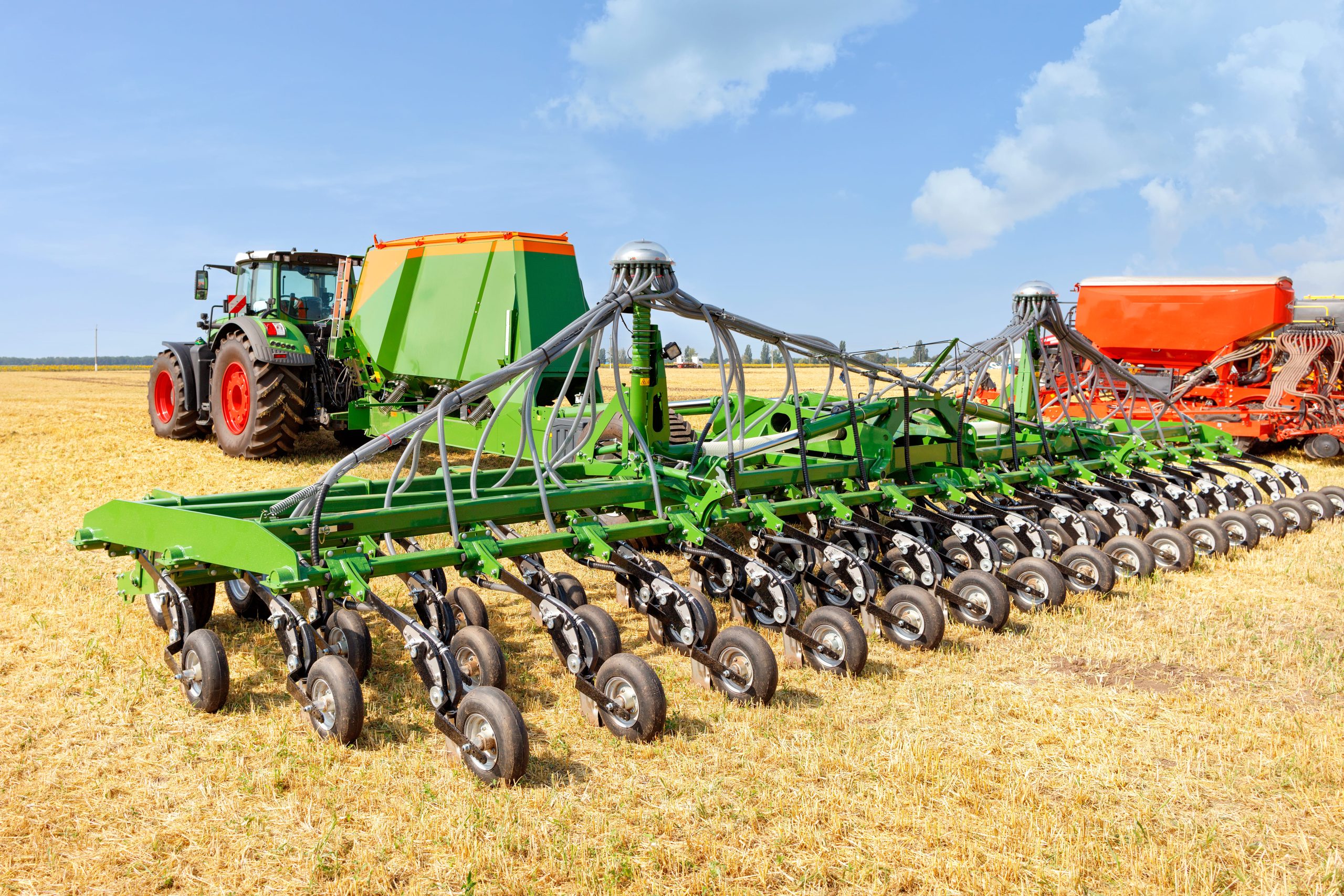
The Australia agricultural equipment market is entering a phase of technology-led transformation as farmers adapt to climate variability, labor shortages, and rising export competitiveness. As of 2026, Australia remains one of the world’s largest agricultural exporters, with grains, beef, wool, and dairy forming the backbone of rural income. However, unpredictable weather patterns, increasing input costs, and pressure to improve productivity per hectare are accelerating investment in advanced machinery. Tractors, harvesters, precision seeders, and spraying equipment are witnessing steady demand, particularly in large-scale farming regions such as New South Wales and Western Australia. While Australia relies heavily on imported machinery from global OEMs, the market is steadily evolving toward automation, data-driven farming, and sustainability-focused mechanization.
What’s Driving the Agricultural Equipment Market in Australia?
Rising Adoption of Precision Agriculture
Australian farmers are increasingly adopting GPS-guided tractors, variable rate technology (VRT), and telematics-enabled equipment to optimize input usage and reduce operational costs. Precision agriculture helps improve yields while minimizing fertilizer, water, and pesticide consumption—an important factor given the country’s frequent drought cycles. Large grain producers in Western Australia and Queensland are investing in auto-steer tractors and smart harvesters to improve operational efficiency across vast farmland holdings.
Climate Variability and Need for Resilient Farming
Recurring droughts, floods, and extreme weather events are reshaping equipment demand patterns. Farmers are prioritizing high-capacity, durable machinery capable of operating efficiently in challenging conditions. Conservation tillage equipment and advanced irrigation-compatible systems are gaining traction as growers aim to preserve soil moisture and enhance long-term productivity. The need for faster harvesting during narrow weather windows is also supporting demand for high-horsepower tractors and combine harvesters.
Labor Shortages Accelerating Automation
Australia’s agricultural sector continues to face rural labor shortages, particularly during peak harvesting seasons. This has accelerated the shift toward automation and semi-autonomous machinery. Self-propelled sprayers, robotic harvest assistance systems, and AI-enabled monitoring tools are helping farmers reduce dependency on manual labor while maintaining output levels. Over time, autonomous tractors are expected to gain wider commercial adoption across broadacre farming operations.
Government-Led Initiatives Supporting Mechanization
The Australian government has introduced multiple programs to strengthen agricultural productivity and resilience. Grants under the Future Drought Fund and modernization incentives for on-farm technology adoption are encouraging farmers to upgrade aging fleets. Sustainability-focused policies aimed at reducing carbon emissions are also pushing adoption of fuel-efficient and low-emission equipment. In addition, trade agreements across Asia-Pacific markets are supporting export growth, indirectly increasing farm incomes and reinvestment capacity in advanced machinery.
Market Competition and OEM Presence
The Australia agricultural equipment market is moderately consolidated, with global manufacturers dominating sales through authorized dealer networks. Key players include John Deere, CNH Industrial (parent company of New Holland and Case IH), AGCO Corporation (owner of Massey Ferguson and Fendt), and Kubota Corporation. These companies are expanding their precision agriculture portfolios and strengthening dealer-based after-sales services across rural Australia. Dealership financing, extended warranties, and equipment leasing models are becoming more common, particularly among mid-sized farms seeking to manage capital expenditure. The presence of certified used-equipment programs is also growing, offering farmers cost-effective alternatives amid high new equipment prices.
High Import Dependency and Cost Pressures
Australia relies heavily on imported agricultural machinery, making the market sensitive to global supply chain disruptions and currency fluctuations. Equipment prices have remained elevated due to freight costs, raw material inflation, and exchange rate volatility. Smaller farms often delay fleet upgrades during periods of commodity price uncertainty, leading to cyclical demand patterns. Additionally, advanced precision equipment requires skilled technical support, creating challenges in remote farming regions.
Future Outlook
The Australia agricultural equipment market is expected to witness steady growth through 2035, driven by technological advancement, export-oriented farming, and climate adaptation strategies. Precision agriculture is projected to become standard practice across large-scale grain and livestock farms, with increased integration of AI, IoT sensors, and real-time farm analytics platforms. By 2035, autonomous and semi-autonomous tractors are likely to account for a meaningful share of new equipment sales, particularly in broadacre farming. Electrification and hybrid-powered machinery may gradually enter the market as sustainability regulations tighten and fuel efficiency becomes a stronger purchasing criterion. Financing innovation, including subscription-based equipment usage models, could further reshape purchasing behavior.
Consultants at Nexdigm, in their latest publication “Australia Agricultural Equipment Market Outlook to 2035”, analyzed the market by Product Type (Tractors, Harvesters, Planting Equipment, Irrigation Systems, Sprayers), By Power Output (Below 50 HP, 50–150 HP, Above 150 HP), By Application (Broadacre Farming, Horticulture, Livestock Farming), and By Distribution Channel (Authorized Dealers, Independent Distributors, Online Platforms). Nexdigm believes that businesses should prioritize precision technology integration, localized after-sales support, and flexible financing solutions, while leveraging Australia’s export-driven agricultural expansion as a key growth catalyst through 2035.
To take the next step, simply visit our Request a Consultation page and share your requirements with us.
Harsh Mittal
+91-8422857704