
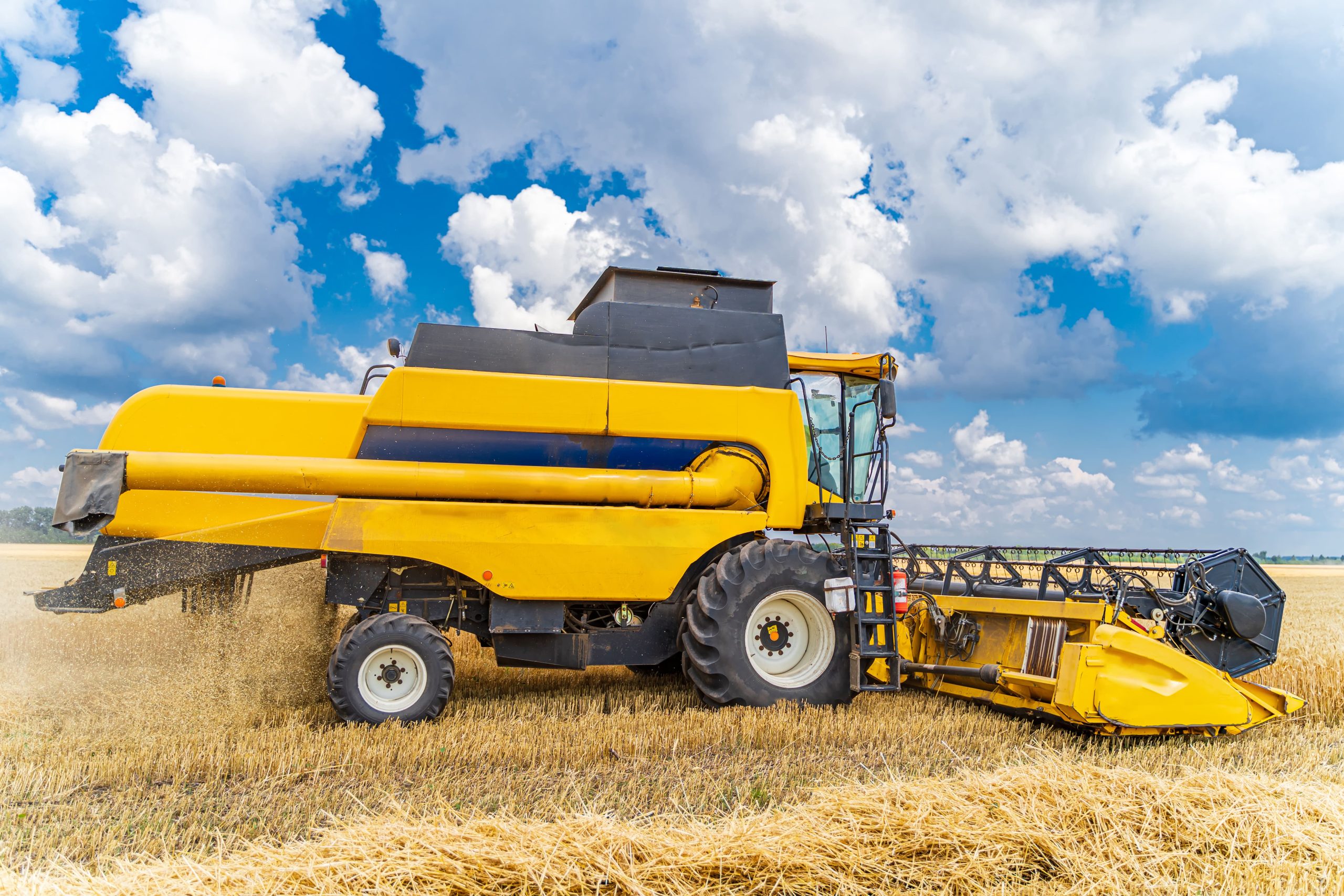
The Australia agricultural harvester market is entering a new phase of transformation as large-scale commercial farming, climate variability, and rising export competitiveness reshape mechanization strategies. Australia remains one of the world’s leading exporters of wheat, barley, and canola, with broadacre farms spanning thousands of hectares across Western Australia, New South Wales, and Queensland. As of 2026, the majority of harvesters operating in the country are high-horsepower combine harvesters imported from global OEMs, reflecting Australia’s reliance on advanced machinery suited for vast cropping areas. Increasing pressure to improve yield efficiency, reduce harvest losses, and optimize labor costs is driving steady demand for technologically advanced harvesters through 2035.
What’s Driving the Agricultural Harvester Market in Australia?
Expansion of Large-Scale Broadacre Farming
Australia’s agricultural landscape is characterized by large commercial farms that require high-capacity harvesting equipment. Cropping zones across Western Australia and New South Wales continue to witness consolidation of farmland, resulting in higher demand for combine harvesters with wider headers and greater grain tank capacities. These machines enable faster harvesting cycles, which is crucial during short weather windows. As farms scale operations, investment in technologically advanced harvesters with precision controls and automation features is becoming increasingly common.
Rising Adoption of Precision Agriculture
The integration of GPS guidance systems, yield monitoring, telematics, and data analytics is reshaping harvesting operations. Farmers are leveraging real-time data to optimize grain recovery and minimize post-harvest losses. Manufacturers such as John Deere, CNH Industrial (parent company of New Holland Agriculture and Case IH), and CLAAS are introducing harvesters equipped with automated header height control, fuel-efficiency optimization, and AI-driven diagnostics. These advancements are particularly valuable in Australia, where labor shortages and rising wage pressures are accelerating automation across farming operations.
Climate Variability and Operational Efficiency
Frequent drought cycles, unpredictable rainfall patterns, and shorter harvesting windows are influencing machinery preferences. Farmers are prioritizing high-throughput harvesters capable of operating efficiently under variable crop conditions. In regions prone to extreme weather events, there is a growing shift toward machines with enhanced grain separation systems and improved residue management to protect soil health. Efficiency gains are critical in maintaining Australia’s export competitiveness in global grain markets.
Government and Policy Support for Farm Modernization
The Australian government continues to promote agricultural innovation through grants and sustainability-focused programs. Funding initiatives supporting digital agriculture, low-emission technologies, and water efficiency indirectly stimulate investment in modern harvesting equipment. Additionally, sustainability commitments aligned with Australia’s carbon reduction targets are encouraging farmers to adopt fuel-efficient machinery and precision systems that lower operational emissions. Tax incentives and asset write-off schemes further support capital investment in farm equipment upgrades.
Market Competition and Import Dependency
The Australia agricultural harvester market is moderately consolidated, with international OEMs dominating sales. Companies such as AGCO Corporation (owner of Massey Ferguson and Fendt brands) maintain strong dealership networks across major grain-producing states. Given Australia’s limited domestic manufacturing of large combine harvesters, the market remains heavily import-dependent. Currency fluctuations and global supply chain disruptions can therefore influence pricing and delivery timelines.
Labor and Skills Gap
Although automation is reducing dependence on manual labor in Australia’s agricultural sector, modern harvesters equipped with GPS guidance, telematics, and AI-based diagnostics demand higher technical proficiency. Operators must understand data analytics, machine calibration, and software systems to fully utilize precision-enabled features. Additionally, maintenance of complex hydraulic and electronic components requires specialized training. The shortage of skilled farm technicians and digitally trained operators may limit productivity gains. Continuous workforce training and industry-led upskilling programs will be critical to maximize equipment efficiency and long-term returns.
Future Outlook
The Australia agricultural harvester market is expected to witness stable growth through 2035, supported by continued export demand, farm consolidation, and technological advancement. By 2035, autonomous and semi-autonomous harvesters are expected to gain wider adoption, particularly among large-scale grain producers. Precision agriculture integration will become standard, with real-time farm data influencing harvesting strategies and yield optimization. Sustainability will remain a central theme, with greater emphasis on fuel-efficient engines, reduced soil compaction, and carbon footprint monitoring. While import dependency will continue, Australia’s strong dealership ecosystem and advanced farming practices position it as a high-value market for global harvester manufacturers.
Consultants at Nexdigm, in their latest publication “Australia Agricultural Harvester Market Outlook to 2035”, analyzed the market by Product Type (Combine Harvesters, Forage Harvesters), By Mechanism (Self-Propelled, Tractor-Mounted), By Farm Size (Small & Medium Farms, Large Commercial Farms), and By Region (Western Australia, New South Wales, Queensland, Victoria, South Australia). Nexdigm believes that businesses should prioritize precision-enabled harvesters, expand localized after-sales service networks, and explore flexible financing models to address high capital barriers while aligning with Australia’s sustainability-driven agricultural transformation.
To take the next step, simply visit our Request a Consultation page and share your requirements with us.
Harsh Mittal
+91-8422857704