
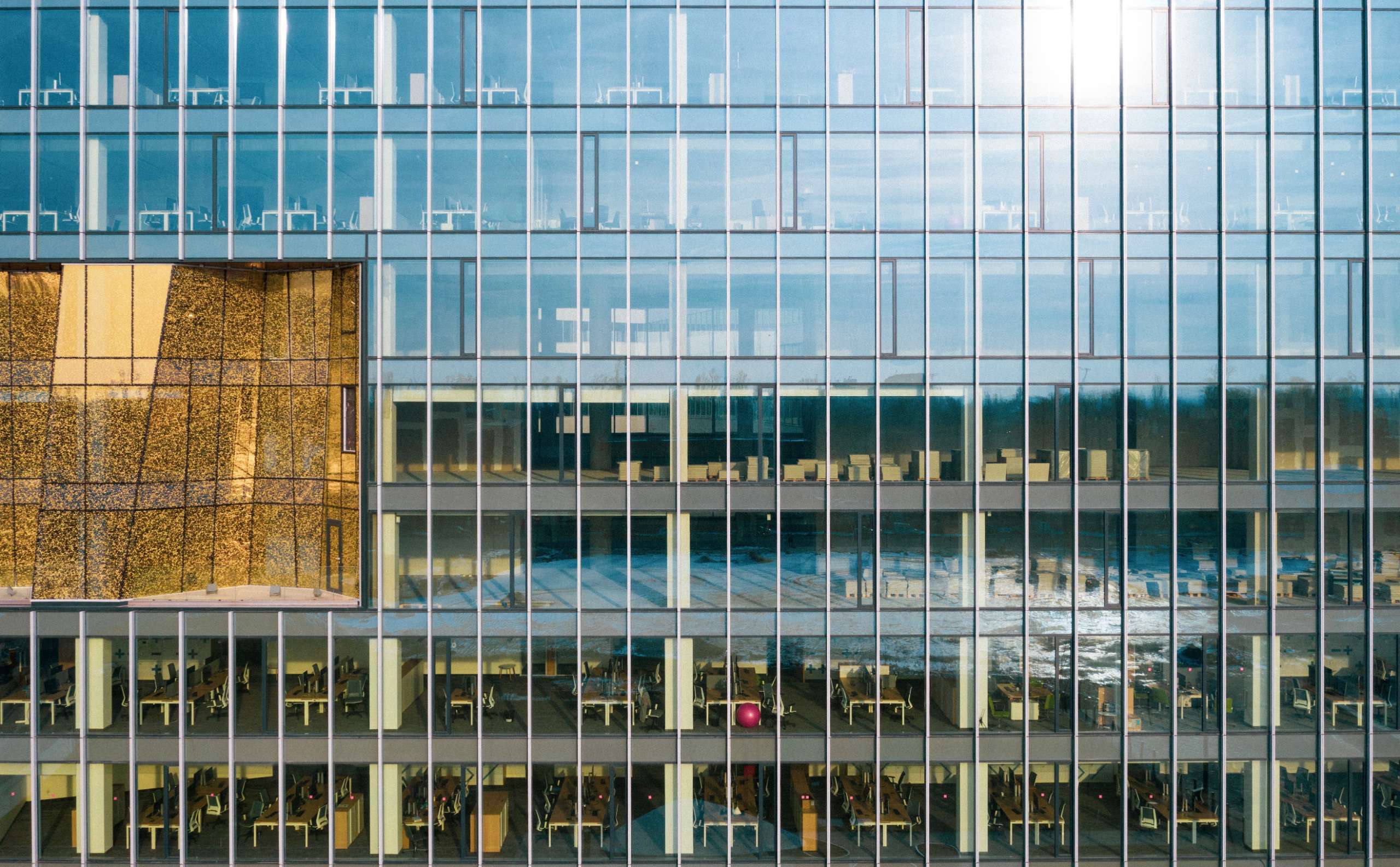
Australia’s architectural and construction glass market is benefiting from the country’s sustained infrastructure investment, growing urban population, and increasing focus on sustainable building design. Architectural glass plays a critical role in modern commercial developments, high-rise residential projects, healthcare facilities, educational institutions, and transport infrastructure by improving energy efficiency, natural daylight utilization, and building aesthetics. Australia’s five-year major public infrastructure pipeline stands at approximately AUD 213 billion, while transport infrastructure construction reached a record AUD 51 billion in 2023–24, highlighting the scale of development activity supporting demand for advanced glazing, façade, and energy-efficient glass solutions.
Key Market Drivers for Australia’s Architectural and Construction Glass Industry
Infrastructure Boom and Urban Development Fuel Glass Demand
Australia’s ongoing infrastructure expansion is creating significant opportunities for architectural glass products across commercial, residential, and public-sector projects. The country currently has a AUD 213 billion major public infrastructure pipeline, supporting the development of transport networks, healthcare facilities, educational institutions, and mixed-use urban projects. As cities continue to expand and modernize, developers increasingly incorporate high-performance façade systems, curtain walls, and insulated glazing solutions to enhance building functionality and visual appeal.
Sustainable Construction and Green Building Adoption Accelerate Market Growth
Australia continues to strengthen its focus on sustainable building practices and energy-efficient construction. Developers are increasingly specifying Low-E glass, solar-control glazing, and double- or triple-glazed systems to reduce energy consumption and improve occupant comfort. Growing emphasis on green-building certifications and net-zero building targets is encouraging the adoption of advanced architectural glass products capable of enhancing thermal performance while supporting environmental objectives across commercial and residential developments.
Record Transport and Public Infrastructure Investments Create New Opportunities
Public-sector investments are generating additional demand for specialized glass solutions in airports, rail stations, healthcare facilities, and civic infrastructure. Transport infrastructure engineering construction reached a record of AUD 51 billion in 2023–24, including approximately AUD 33 billion for roads and bridges and AUD 16 billion for rail projects. These large-scale developments increasingly require durable, safety-enhancing, and energy-efficient glazing systems, creating long-term opportunities for architectural glass suppliers.
Government Support Through Infrastructure Development and Sustainable Building Policies
Australia’s architectural and construction glass market benefits from government investments in transportation, social infrastructure, renewable energy projects, and sustainable urban development. The country’s AUD 213 billion major public infrastructure pipeline continues to support construction activity across multiple sectors. In parallel, sustainability initiatives and stricter building-efficiency standards are encouraging wider adoption of high-performance glazing solutions that improve energy efficiency, reduce emissions, and enhance long-term building performance.
Competitive Landscape Driven by Sustainable Building Solutions and Advanced Glass Technologies
Australia’s architectural and construction glass market comprises domestic processors, fabricators, façade specialists, and international suppliers serving commercial, residential, and infrastructure projects. Competition is increasingly focused on energy efficiency, customization capabilities, product quality, and advanced processing technologies. Supported by a AUD 213 billion infrastructure pipeline and record transport-construction activity of AUD 51 billion, industry participants are expanding their portfolios of Low-E glass, solar-control glazing, insulated glass units, and smart façade systems to meet evolving sustainability and performance requirements.
Market Challenges Facing Australia’s Architectural and Construction Glass Industry
Skills Shortages and Construction Cost Inflation
Australia’s construction sector continues to face skilled labor shortages and material cost pressures. Industry stakeholders report ongoing workforce constraints and escalating project costs, which can impact delivery schedules and procurement strategies for construction materials, including architectural glass.
Stringent Sustainability and Compliance Requirements
Developers increasingly demand glazing systems that meet higher standards for thermal efficiency, safety, and environmental performance. Meeting these evolving requirements often requires investment in advanced manufacturing technologies, certifications, and product innovation, increasing operational costs across the industry.
Future Outlook
Australia’s architectural and construction glass market is expected to benefit from continued infrastructure investment, urban densification, and sustainable building adoption. The country’s AUD 213 billion infrastructure pipeline and ongoing transport, healthcare, and education projects will continue generating demand for advanced façade and glazing systems. Future growth is likely to be driven by Low-E glass, smart glazing technologies, solar-control façades, and high-performance insulated glass solutions as building owners seek greater energy efficiency and sustainability. Companies investing in innovation, value-added processing, and environmentally responsible products will be best positioned to capitalize on Australia’s evolving construction landscape.
Consultants at Nexdigm, in their latest publication “ Australia Architectural and Construction Glass Market Outlook to 2035,” analyse the sector By Product Type (Clear Float, Tinted Float and Reflected Coated), By Coating Application (Solar Control Coatings and Low-Emissivity Soft-Coat) and By Distribution Channel (Direct Manufacturer Sales, Specialized Glass Processors and Specialized Glass Processors).
Nexdigm suggests that businesses in Australia’s Architectural and Construction Glass Industry prioritize sustainable glazing technologies, advanced façade solutions, and infrastructure-focused partnerships to capitalize on growing green-building and urban development opportunities.
To take the next step, simply visit our Request a Consultation page and share your requirements with us.
Harsh Mittal
+91-8422857704