
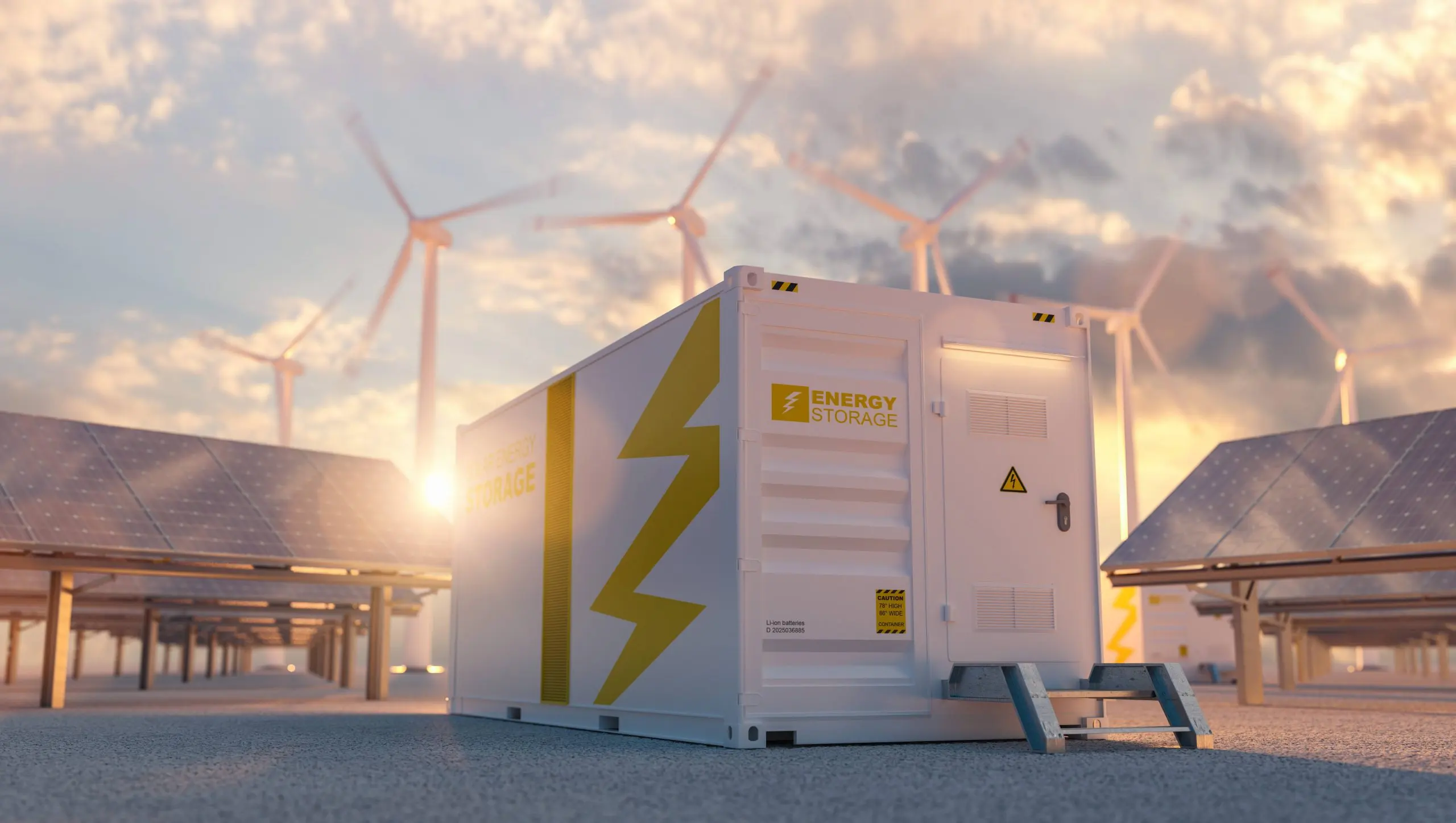
Australia’s battery energy storage system (BESS) market is rapidly expanding as the country accelerates its transition toward renewable energy. With increasing solar and wind penetration, energy storage has become essential for maintaining grid stability and ensuring reliable power supply. In 2025 alone, Australia added significant storage capacity, with total operational BESS capacity in the National Electricity Market (NEM) exceeding 5 GW. Rising investments, supportive policies, and declining battery costs are positioning Australia as one of the leading global markets for utility-scale and distributed energy storage solutions.
Key Market Drivers Shaping the Growth of Australia’s Battery Energy Storage Market
Renewable Energy Integration
Australia’s ambitious clean energy targets are a major catalyst for BESS adoption. With renewable energy expected to contribute over 80% of electricity generation by 2030, energy storage is critical for balancing intermittent solar and wind output. Battery systems help store excess generation and release it during peak demand, improving grid flexibility. As a result, large-scale deployments are increasing, with over 3.6 GW of new BESS capacity added in 2025 alone.
Rising Investments and Cost Decline
Investment momentum remains strong, with more than AUD 2.4 billion committed to BESS projects in early 2025. At the same time, declining battery costs—falling up to 16%—are improving project economics and encouraging widespread deployment. This combination of high investment and falling costs is accelerating both utility-scale and residential storage adoption.
Growing Demand for Grid Stability
Increasing electricity demand and the gradual retirement of coal-fired power plants are driving the need for flexible energy solutions. Battery storage enables peak load management, frequency regulation, and backup power, all of which are essential in modern grids. The Australian grid is projected to require up to 19 GW of BESS capacity by 2030 to maintain reliability.
Government Policies and Strategic Initiatives Supporting Battery Energy Storage Deployment
The Australian government plays a pivotal role in supporting the BESS market through funding programs and policy frameworks. Initiatives such as the Capacity Investment Scheme (CIS) provide revenue for certainty and attract private investments. Public funding commitments exceeding AUD 4.9 billion have been directed toward energy storage development. Additionally, state-level rebates and programs promoting residential batteries have led to record installations, with over 183,000 home batteries sold in the second half of 2025.
Competitive Landscape and Key Players Driving Market Expansion
The Australian BESS market is moderately consolidated, with a mix of international developers and domestic energy companies. Key players focus on large-scale utility projects, strategic partnerships, and technological innovation to strengthen their market position. Companies such as Neoen and Akaysha Energy are actively developing large battery projects across the country. The market is also witnessing growing participation from new entrants, leveraging advanced battery technologies, and innovative business models.
Key Challenges Impacting the Growth of the Battery Energy Storage Market
Grid and Regulatory Constraints
Despite strong growth, the market faces challenges related to grid infrastructure and regulatory complexities. Delays in project approvals, transmission of bottlenecks, and evolving market rules can hinder deployment timelines.
Safety and Community Concerns
Public concerns regarding safety risks, including fire hazards and environmental impacts, are emerging barriers. Local opposition to projects highlights the need for improved safety standards and community engagement in project planning.
Future Outlook
The future of Australia’s BESS market remains highly promising, driven by strong policy support, technological advancements, and rising energy demand. The market is projected to grow from around 4.7 GW in 2025 to nearly 20 GW by 2034, with capacity expected to reach over 18 GW by 2035. Increasing the adoption of long-duration storage and virtual power plants will further enhance system efficiency. As Australia continues to phase out fossil fuels, battery storage will play a central role in enabling a resilient, low-carbon energy future.
Consultants at Nexdigm, in their latest publication “Australia Battery Energy Storage System Market,” analyze the sector by System Type (Utility-Scale Storage Systems, Residential Battery Storage, Commercial & Industrial Storage Systems, Hybrid Energy Storage Systems), By Platform Type (Grid-Connected Systems, Off-Grid Systems, Microgrid Systems), and By Fitment Type (Retrofit Solutions, New Build Solutions, Modular Systems). Nexdigm suggests that businesses should align their strategies with evolving energy market dynamics by proactively investing in scalable and flexible battery energy storage solutions. Companies should leverage available government incentives and policy support to improve project viability, while also adopting advanced technologies such as AI-driven energy management systems and long-duration storage. Additionally, forming strategic partnerships, optimizing energy procurement, and integrating storage with renewable assets can help enhance grid reliability, reduce operational costs, and create long-term value in Australia’s rapidly transforming energy landscape.
To take the next step, simply visit our Request a Consultation page and share your requirements with us.
Harsh Mittal
+91-8422857704