
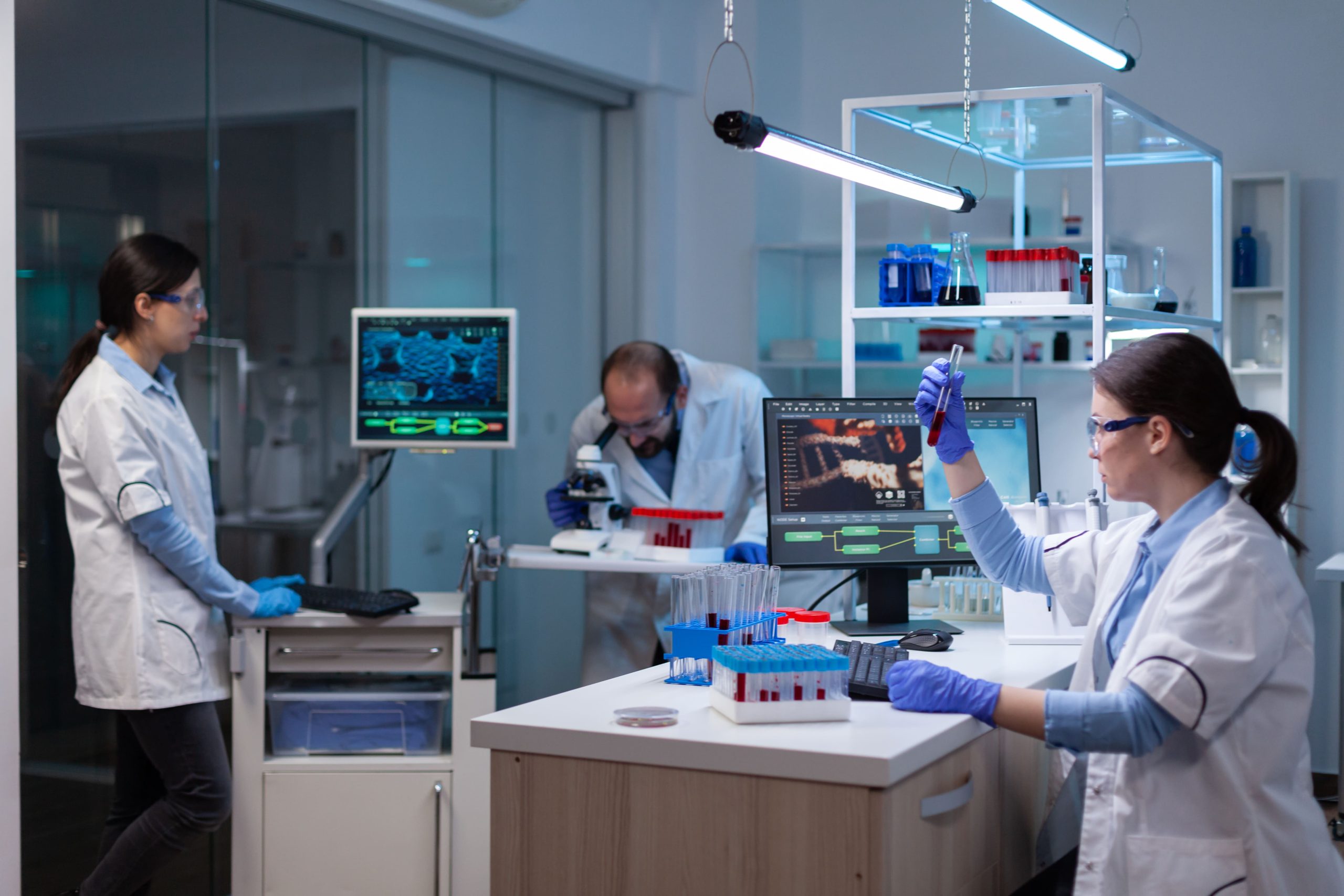
Australia’s diagnostic laboratories market sits in an interesting place in 2026. It is not an emerging market story where capacity is still being built from scratch, and it is not a stagnant one either. Instead, it is a mature healthcare segment being reshaped by rising test complexity, tighter workforce availability, and a clear shift toward automation. Diagnostic labs have become central to care delivery, not just a backend support function for hospitals and clinics. From routine blood panels to cancer biomarkers and genomic testing, pathology services now influence treatment decisions much earlier in the patient journey. Over the next decade, demand will likely be shaped less by sheer population growth and more by how often Australians are screened, monitored, and managed for chronic and age-related conditions.
What’s Driving the Diagnostic Labs Market in Australia?
Aging Population and Chronic Disease Testing
One of the clearest demand drivers is demographic. Australia’s population is aging steadily, and that has a direct effect on pathology volumes. Older patients typically require more frequent blood tests, cancer screening, renal monitoring, cardiac markers, and endocrine panels. In practical terms, this means labs are handling not only more samples, but also more recurring ones tied to long-term disease management. Diabetes, cardiovascular conditions, osteoporosis, and cancer surveillance all create repeat demand. That makes diagnostics less cyclical than many other healthcare segments and gives pathology providers a fairly dependable volume base.
Shift Toward Precision and Molecular Diagnostics
Routine pathology remains the backbone of the market, but the real change is happening in high-value testing. Molecular diagnostics, genetic screening, and companion diagnostics are becoming more relevant in oncology, reproductive health, and infectious disease management. This is where Australian labs are moving up the value chain. A decade ago, many advanced tests were niche or confined to specialist centers. Today, clinicians are more likely to request genomic profiling or PCR-based assays as part of standard care pathways. The upside is clear: better clinical decision-making. The trade-off is cost, equipment intensity, and the need for highly trained staff.
Automation, Digital Workflows, and Faster Turnaround
Labs are under pressure to do more with less. That is one reason automation has become such a major investment theme across Australia. High-throughput analyzers, digital slide imaging, AI-assisted pathology review, and integrated lab information systems are helping providers process larger volumes without proportionally expanding headcount. On the ground, speed matters. A GP clinic waiting for same-day blood results or an oncology team needing a quick pathology confirmation cannot afford bottlenecks. Faster turnaround is no longer just a service differentiator; in some cases, it directly affects patient outcomes.
Government-Led Initiatives
Public policy still plays a major role in how this market evolves. Medicare remains the financial backbone for a large share of pathology and imaging services, which means reimbursement settings strongly influence testing behavior and provider economics. National screening programs for bowel, breast, and cervical cancer continue to keep test volumes healthy, especially in preventive diagnostics. At the same time, the government’s push toward digital health records and telehealth integration is quietly changing how labs interact with clinicians and patients. Results are moving faster, referrals are more connected, and expectations around accessibility are rising. That said, policy support is not always perfectly aligned with innovation. Reimbursement often lags newer test categories, particularly in genomics.
Market Competition
The Australia diagnostic labs market remains moderately concentrated, with large players controlling much of the organized pathology landscape. Sonic Healthcare, Healius Limited, and Australian Clinical Labs are among the most established names. Sonic Healthcare stands out for its scale, specialist capability, and broad footprint across both domestic and international markets. Healius has focused heavily on network optimization and collection center reach, while Australian Clinical Labs has expanded through targeted acquisitions and regional penetration. Competition is no longer just about who has the biggest lab network. Service quality, turnaround reliability, sub-specialty expertise, and digital integration now matter just as much.
Workforce and Operational Challenges
A common challenge is not demand, but delivery. Australia’s diagnostic sector faces a real workforce constraint, especially when it comes to experienced pathologists, lab scientists, and technical staff in regional areas. Hiring remains difficult, and retaining skilled personnel is not much easier. Add to that the rising cost of reagents, imported equipment, quality compliance, and IT upgrades, and margins begin to tighten. In practice, smaller and mid-sized labs often feel this pressure more sharply than the national chains. The sector may look efficient from the outside, but behind the scenes, labor and cost pressures remain one of the biggest bottlenecks.
Future Outlook
By 2035, the Australian diagnostic labs market will likely look more digitized, more specialized, and less dependent on manual workflows than it does today. Routine pathology will remain essential, but much of the growth will likely come from higher-value segments such as molecular testing, preventive screening, and personalized medicine. Labs that invest early in automation, AI-supported workflows, and clinician-friendly digital reporting will probably be in the strongest position. Regional access remains a gap, and that is where remote diagnostics and connected care models could have a bigger role than many expect.
Consultants at Nexdigm, in their latest publication “Australia Diagnostic Labs Market Outlook to 2035,” believe that market participants should focus on scaling advanced testing capabilities while keeping turnaround times and cost efficiency under control. In a market like Australia, operational discipline may matter just as much as innovation.
To take the next step, simply visit our Request a Consultation page and share your requirements with us.
Harsh Mittal
+91-8422857704