
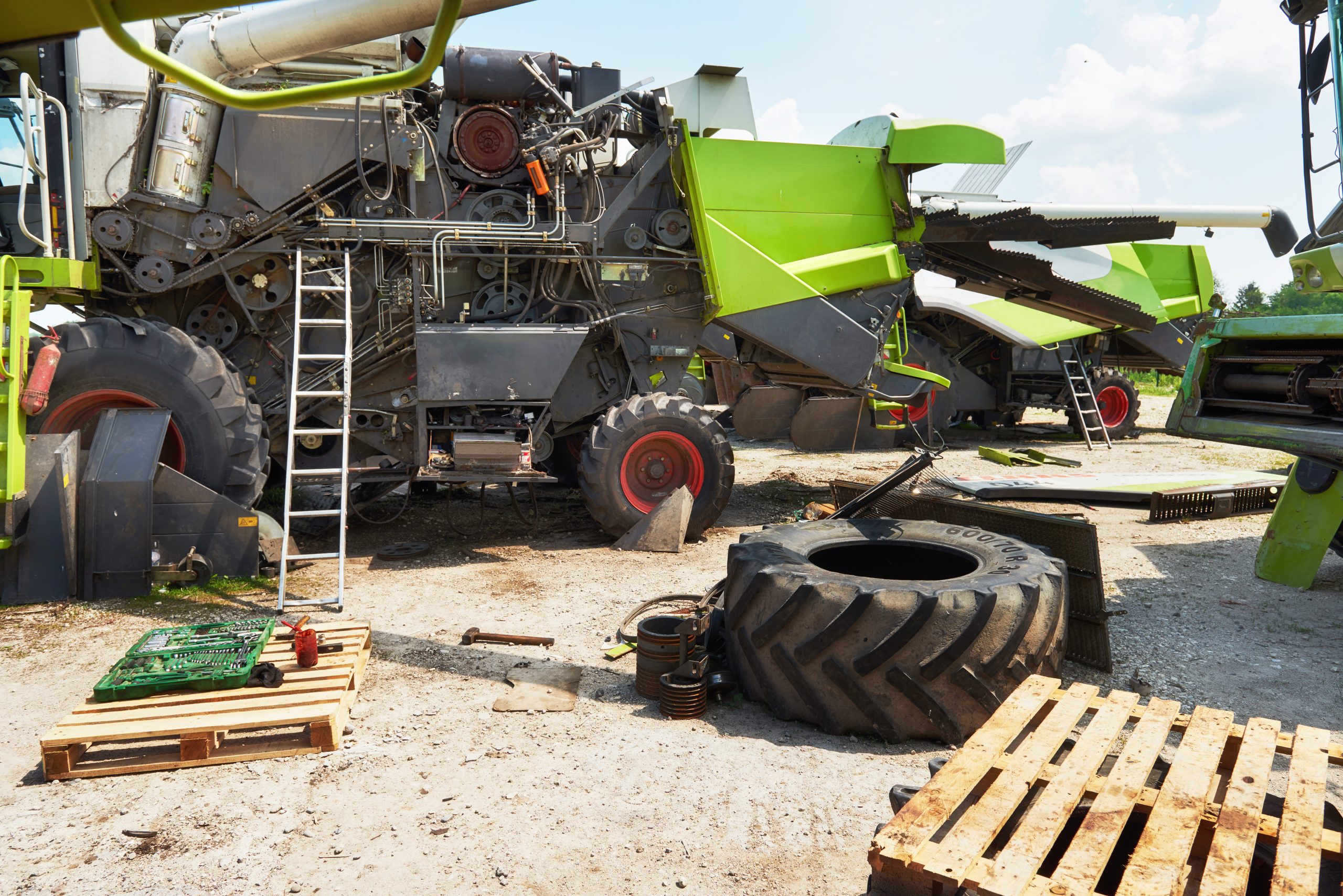
Australia’s agricultural sector is entering a new phase of mechanization and lifecycle optimization as farmers increasingly focus on productivity, cost control, and equipment longevity. As of 2026, Australia remains one of the world’s leading exporters of wheat, barley, beef, and wool, supported by highly mechanized broadacre farming systems across New South Wales, Victoria, Queensland, and Western Australia. With a large installed base of tractors, harvesters, sprayers, and seeding equipment, the demand for spare parts and aftermarket services has become critical to ensuring operational continuity. Frequent climatic variability, labor shortages, and rising equipment costs are further driving reliance on preventive maintenance and timely part replacement. As farms scale up and machinery fleets age, the aftermarket segment is expected to play an increasingly strategic role through 2035.
What’s Driving the Farm Equipment Spare Parts & Aftermarket Market in Australia?
Aging Machinery Fleet and Extended Replacement Cycles
Australian farmers are extending machinery replacement cycles due to high upfront costs and global supply chain disruptions experienced in the early 2020s. Many tractors and harvesters remain operational beyond their typical lifecycle, increasing the need for wear-and-tear components such as filters, belts, bearings, hydraulic systems, and engine parts. Instead of purchasing new units, farm operators are investing in refurbishment and preventive maintenance to maximize equipment uptime, directly strengthening demand for aftermarket parts.
Climate Variability and Intensive Usage Patterns
Australia’s exposure to droughts, floods, and unpredictable weather patterns places additional strain on agricultural machinery. Intensive seasonal operations during short harvesting windows require equipment to operate at full capacity, accelerating component wear. In broadacre grain farming regions, downtime during harvest can lead to substantial financial losses, making reliable access to spare parts a top priority. This urgency supports the growth of regional distribution networks and same-day delivery models.
Technology Integration and Precision Agriculture
Modern farms are integrating GPS-guided systems, variable rate technology (VRT), and telematics into machinery fleets. As digital components such as sensors, control modules, and software systems become standard, the aftermarket is expanding beyond mechanical parts to include electronic replacements and upgrades. Farmers increasingly seek diagnostic services, software recalibration, and sensor replacements to maintain precision farming capabilities. This shift is gradually transforming traditional spare parts suppliers into integrated service providers.
Government and Industry Support for Mechanization
Australia’s federal and state governments continue to support farm modernization through grants, low-interest loans, and drought resilience programs. Investment in sustainable farming practices and carbon reduction strategies is encouraging upgrades to more fuel-efficient and technologically advanced machinery. While new equipment purchases remain steady, the high penetration of machinery across Australian farms means that maintenance, repairs, and parts replacement remain essential components of overall farm expenditure.
Market Competition and Distribution Landscape
The Australia farm equipment spare parts market is moderately consolidated, with global OEM-linked dealer networks dominating the organized segment. Major equipment manufacturers such as John Deere, CNH Industrial (parent company of New Holland and Case IH), and AGCO Corporation maintain strong dealership and service networks across the country. These OEM-backed dealers offer genuine parts, warranty support, and bundled service contracts. At the same time, independent aftermarket suppliers and local distributors are expanding their footprint by offering cost-competitive alternatives. Digital marketplaces and e-commerce platforms are gaining traction, particularly among small and mid-sized farms seeking price transparency and faster procurement.
Geographic Dispersion and Logistics Costs
Australia’s vast geographic spread creates significant logistical complexities for farm equipment spare parts suppliers. Remote farming regions, particularly across Western Australia and the Northern Territory, often face extended delivery timelines and higher freight expenses. During critical planting and harvesting windows, even minor delays in parts availability can lead to costly equipment downtime and yield losses. To address these challenges, distributors are increasingly investing in decentralized warehousing, regional stocking hubs, advanced inventory forecasting systems, and stronger last-mile logistics partnerships to improve responsiveness.
Future Outlook
The Australia farm equipment spare parts and aftermarket market is expected to witness steady growth through 2035, supported by an expanding installed machinery base and continued adoption of precision agriculture technologies. By 2035, predictive maintenance powered by telematics data is expected to become mainstream, allowing proactive replacement of components before failure. Inventory management systems integrated with dealer networks will enhance supply chain efficiency and reduce downtime risks. Additionally, sustainability trends are likely to influence the market, with increasing demand for remanufactured parts and circular economy practices. Independent service providers are expected to strengthen their presence, particularly if right-to-repair policies gain further traction. While new machinery sales will remain cyclical and influenced by commodity prices, the aftermarket segment will offer more stable, recurring revenue streams.
Consultants at Nexdigm, in their latest publication “Australia Farm Equipment Spare Parts & Aftermarket Market Outlook to 2035,” analyzed the market by Product Type (Engine Components, Hydraulic Parts, Electrical & Electronic Parts, Wear Parts), By Equipment Type (Tractors, Harvesters, Sprayers, Seeding Equipment), and By Distribution Channel (OEM Dealers, Independent Distributors, Online Platforms). Nexdigm believes that businesses should prioritize digital inventory management, regional warehousing expansion, telematics-enabled predictive services, and strategic partnerships with independent workshops to capture long-term growth opportunities in Australia’s evolving farm equipment aftermarket landscape.
To take the next step, simply visit our Request a Consultation page and share your requirements with us.
Harsh Mittal
+91-8422857704