
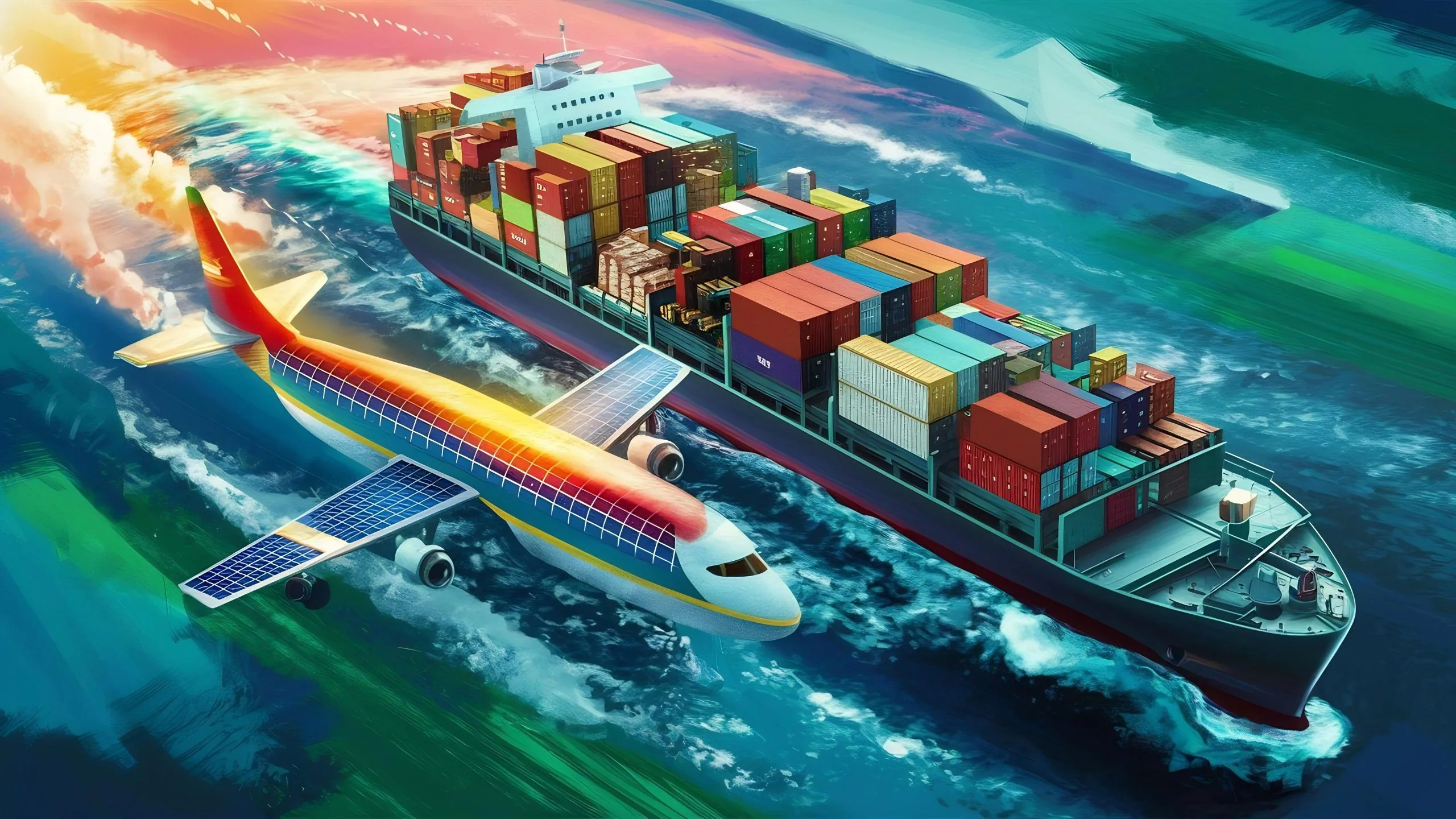
Australia’s freight forwarding market is evolving rapidly as businesses increasingly depend on efficient logistics networks to manage domestic and international trade. The sector generated nearly USD 8.73 billion in revenue earlier, is projected to reach around USD 10.78 billion in the coming years, growing at a CAGR of 3.7%. Australia’s strong trade ties with Asia-Pacific economies and rising demand for faster delivery services are creating new opportunities for logistics providers across the country. At the same time, digital transformation, smart warehousing, and automated freight tracking are changing how goods are transported and monitored. As industries continue expanding their supply chains, freight forwarding companies are becoming essential partners in ensuring smooth and timely movement of goods.
Key Factors Driving Growth in Australia’s Freight Forwarding Market
E-Commerce Boom Is Increasing Freight Volumes
Australia’s growing e-commerce sector is one of the biggest contributors to freight forwarding demand. Consumers now expect faster deliveries, real-time shipment updates, and seamless online shopping experiences, pushing logistics providers to improve transportation efficiency. The Australia freight and logistics market is expected to reach heights in the coming years. Cross-border online retail is also increasing the need for international freight services, especially air and sea freight. Businesses are partnering with third-party logistics companies to optimize inventory management, reduce delivery timelines, and improve customer satisfaction. This trend is expected to continue strengthening freight forwarding operations over the next decade.
Infrastructure Investments Are Strengthening Logistics Networks
The Australian government and private sector are heavily investing in transport infrastructure projects, including ports, railways, airports, and highways. Projects such as the Inland Rail Program are expected to improve freight connectivity between major cities and regional areas while reducing transportation delays and operational costs. Australia’s domestic freight task is projected to increase in the upcoming years, highlighting the growing importance of efficient freight transportation systems. Rising exports of minerals, agricultural products, and industrial goods are further driving demand for reliable logistics and forwarding services. Improved infrastructure is also helping businesses access remote markets more efficiently.
Digital Technologies Are Transforming Freight Operations
Technology adoption is reshaping the freight forwarding landscape across Australia. Logistics companies are increasingly using AI-powered route optimization, IoT-enabled tracking systems, cloud-based freight management platforms, and predictive analytics to improve operational performance. These technologies help companies reduce delivery delays, monitor shipments in real time, and improve supply chain visibility. Automation is also streamlining customs documentation and warehouse management processes, allowing freight operators to improve efficiency while reducing manual errors. As digital logistics capabilities expand, companies that invest in smart freight technologies are expected to gain a strong competitive advantage.
Government Policies boosting Freight Market of Australia
The Australian government continues to strengthen the freight and logistics sector through long-term infrastructure and supply chain development programs. The National Freight and Supply Chain Strategy aims to improve freight efficiency, reduce congestion, and build a more resilient logistics ecosystem across the country. In addition, investments in smart ports, regional logistics hubs, and rail freight corridors are helping modernize transportation systems. Government initiatives promoting low-emission freight transport and sustainable logistics practices are also encouraging companies to adopt greener technologies and cleaner transportation methods.
Competitive Environment of Australia’s Freight Market
Australia’s freight forwarding market remains highly competitive, with both global and domestic players focusing on innovation, operational efficiency, and service expansion. Major companies operating in the market include DHL, Toll Group, Linfox, and Australia Post. Many freight providers are investing in warehouse automation, digital freight platforms, and multimodal transportation services to strengthen their market position. Strategic partnerships, acquisitions, and sustainability-focused logistics solutions are also becoming key competitive strategies within the industry.
Challenges Impacting Freight Market Growth of Australia
Rising Fuel and Transportation Costs Are Pressuring Margins
Increasing fuel prices, labor expenses, and transportation costs remain major challenges for freight forwarding companies in Australia. Logistics providers are under constant pressure to maintain competitive pricing while managing operational profitability in a highly dynamic market environment. Australia’s vast geographic landscape further increases transportation complexity, especially when serving remote and regional locations. Long-distance freight movement often results in higher fuel consumption and infrastructure-related expenses, creating additional pressure on supply chain operators.
Supply Chain Disruptions Continue to Affect Freight Operations
Global supply chain disruptions, port congestion, labor shortages, and shipping delays continue to impact freight forwarding efficiency across Australia. Fluctuating freight rates and limited cargo capacity have forced logistics companies to adapt quickly to changing market conditions. At the same time, stricter sustainability regulations and carbon reduction goals are pushing freight operators to invest in cleaner transportation technologies. Balancing environmental responsibilities with operational efficiency will remain an important challenge for the industry over the coming years.
Future Outlook
The Australia freight forwarding market is expected to experience stable long-term growth in the upcoming years, supported by expanding trade activities, infrastructure modernization, and rapid digital transformation. The increasing use of AI, automation, and sustainable logistics technologies will continue reshaping freight transportation and supply chain operations. Road freight is expected to remain the dominant transportation segment, while air freight is likely to witness strong growth due to rising cross-border e-commerce demand. As businesses focus more on supply chain resilience and operational efficiency, freight forwarding companies that embrace innovation and sustainability are expected to benefit the most in the years ahead.
Consultants at Nexdigm, in their latest publication Australia Freight Aggregator Market Outlook to 2035, analyzed the market by Service Type (Full-Truckload, Less-Than-Truckload, Inter-Island Shipping, Warehousing & Value-Added Services), By End User (E-commerce & Retail, Manufacturing, Agriculture, Construction), and By Platform Model (Digital Marketplaces, Hybrid Aggregators, Enterprise Logistics Platforms).
Nexdigm believes that businesses should prioritize network density across key economic corridors, invest in platform-led visibility and AI-based optimization, and build strong partnerships with port operators and regional carriers to scale sustainably in Australia’s evolving freight aggregation ecosystem.
To take the next step, simply visit our Request a Consultation page and share your requirements with us.
Harsh Mittal
+91-8422857704