
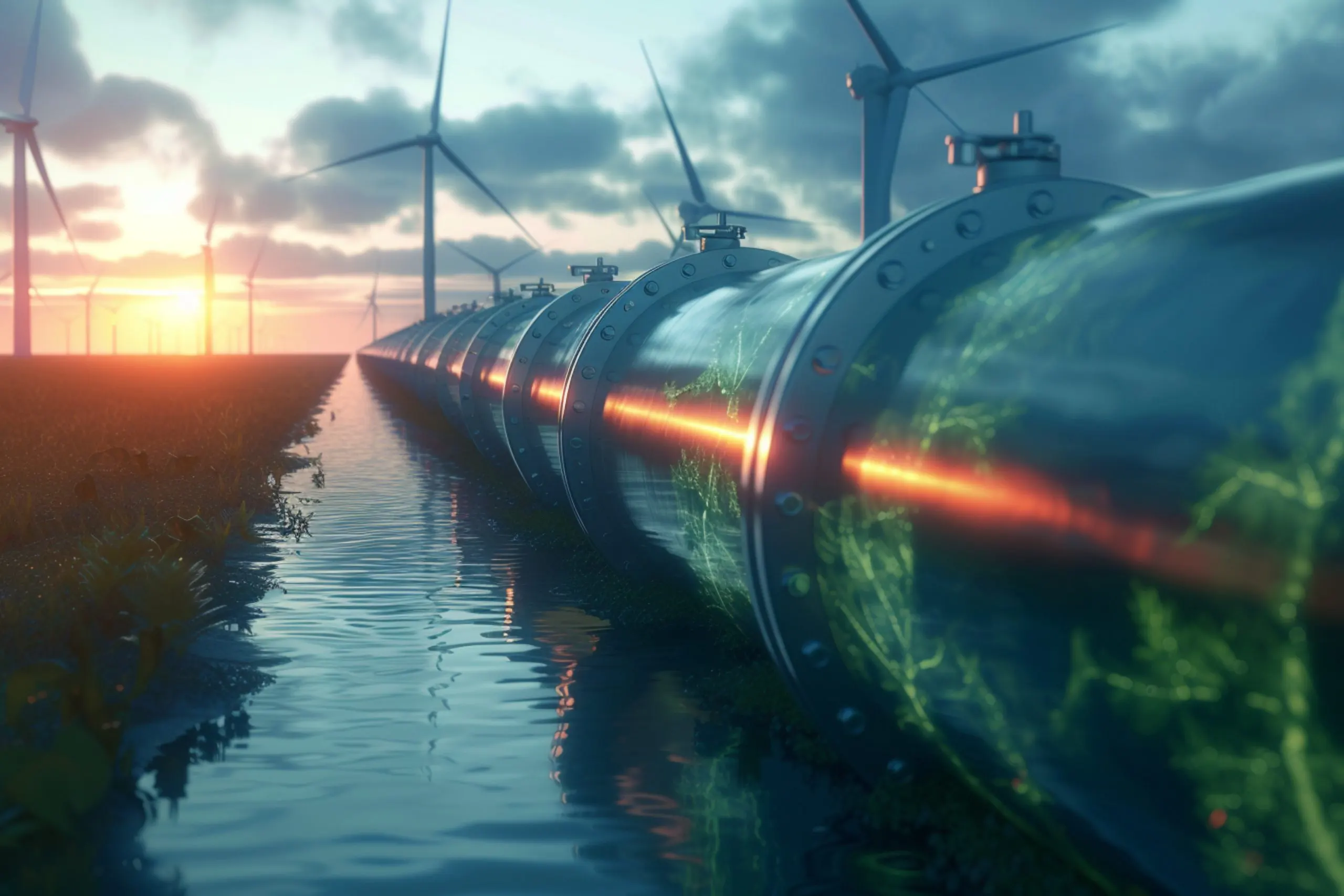
Australia is positioning itself as a global leader in the green hydrogen market, thanks to its abundant renewable resources and supportive government policies. Green hydrogen, produced using renewable energy sources like solar and wind, has emerged as a key element in Australia’s transition to a low-carbon economy. The country aims to become a major exporter of green hydrogen, leveraging its vast land area, sun, and wind resources. With a target to produce up to 10 million tonnes of green hydrogen annually, Australia’s green hydrogen market is expected to experience substantial growth in the coming years.
Major Growth Drivers of Australia’s Green Hydrogen Market
Abundant Renewable Energy Resources
Australia’s natural resources, including world-class solar and wind potential, position it as an ideal location for producing green hydrogen. The country has some of the highest solar radiation levels and strong coastal winds, making it possible to produce hydrogen at a competitive cost. The availability of large-scale renewable energy projects in regions like Western Australia and South Australia will be central to scaling up green hydrogen production. As global demand for green hydrogen rises, Australia is well-positioned to become a key supplier in the international market.
Government Support and Renewable Energy Goals
The Australian government has made significant investments in green hydrogen as part of its broader energy transition strategy. In line with its Net Zero Emissions commitment, the government has pledged financial support for hydrogen production, infrastructure, and export facilities. Initiatives like the Hydrogen Energy Supply Chain (HESC) Project are already working to establish a global hydrogen export market. The Australian National Hydrogen Strategy, which outlines a roadmap for scaling up green hydrogen production, is a key driver behind the market’s growth.
Technological Advancements and Cost Reductions
Technological innovations in electrolysis and hydrogen storage are making green hydrogen more cost-competitive. The cost of renewable energy production is falling rapidly, with solar energy costs decreasing by over 80% in the past decade, directly impacting hydrogen production costs. As electrolysis technology improves and economies of scale are achieved, Australia’s ability to produce and export green hydrogen will become more efficient and affordable. These advancements in technology are expected to drive the growth of the green hydrogen market as production becomes increasingly viable.
Government Support and Policies Facilitating Green Hydrogen Market Expansion
Australia’s government has been a significant enabler of the green hydrogen market’s growth. In last year. the National Hydrogen Strategy was launched to help develop a clean hydrogen industry, with a goal to make Australia a top global exporter of hydrogen by net decade. The Clean Energy Finance Corporation (CEFC) is funding projects that develop hydrogen infrastructure, while states like Queensland and South Australia have also introduced hydrogen-specific initiatives. These supportive policies and funding programs provide the necessary groundwork for Australia’s green hydrogen market to thrive.
Competitive Environment of Australia’s Green Hydrogen Market
Australia’s green hydrogen market is competitive, with a mix of both local and international players. Fortescue Metals Group, AGL Energy, and Hydrogen Energy Supply Chain (HESC) are leading the way in developing hydrogen production facilities, storage, and export infrastructure. International companies like Siemens Energy and Shell are also partnering with Australian firms to help scale up the green hydrogen industry. As the market grows, these players will compete to capitalize on both domestic and international demand for hydrogen, particularly in Asia, which is emerging as a key export market for Australian hydrogen.
Market Challenges Facing the Growth of Australia’s Green Hydrogen Industry
Infrastructure Development and Export Challenges
One of the biggest hurdles for the green hydrogen market is the need for substantial infrastructure development. Hydrogen storage, transportation, and export facilities are essential to bring Australian green hydrogen to international markets. Developing such infrastructure requires significant capital investment and time. For example, establishing an export chain to countries like Japan and South Korea, which are major hydrogen consumers, will take years of planning, permitting, and construction. These challenges could slow the pace of market growth, especially for large-scale exports.
Cost Competitiveness and Market Maturity
While the cost of producing green hydrogen is decreasing, it is still higher than that of grey hydrogen (hydrogen produced from fossil fuels). Although technological advancements are expected to lower costs further, achieving cost parity with conventional hydrogen remains a challenge. For the market to mature, further technological breakthroughs in electrolysis and more economies of scale are needed to ensure green hydrogen becomes competitive on a global scale.
Future Outlook
Australia’s green hydrogen market is poised for significant growth, with the government, private companies, and international stakeholders all playing a crucial role in the transition. As the market matures, Australia is expected to become a global leader in green hydrogen production and export, with a focus on building scalable infrastructure and reducing production costs. Technological advancements and investments in the hydrogen supply chain will drive efficiency and create new opportunities in sectors like transportation, industrial manufacturing, and power generation. In the upcoming years, green hydrogen will be a central component of Australia’s clean energy strategy, providing a sustainable solution to decarbonize industries and export clean energy to the world.
Consultants at Nexdigm, in their latest publication Australia Green Hydrogen Market Outlook to 2035, analyze the sector by System Type (Electrolyzers, Storage System, Fuel cells, Distribution Infrastructure, End user equipment), by End User segment (Energy and Utilities, Transportation and Mobilities, Government and Public Services).
Nexdigm suggests that businesses should consider investing in green hydrogen technologies as part of their sustainability strategies. By welcoming this emerging clean energy solution, companies can not only contribute to Qatar’s renewable energy goals but also enhance their competitiveness in the global energy market. Adopting green hydrogen will help reduce operational costs, improve energy efficiency, and align with global sustainability trends, positioning businesses as leaders in a low-carbon economy.
To take the next step, simply visit our Request a Consultation page and share your requirements with us.
Harsh Mittal
+91-8422857704