
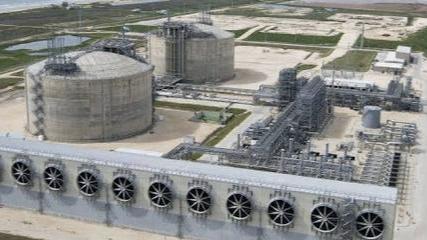
Australia has built a strong reputation as one of the world’s leading LNG exporters, supplying energy to major Asian economies such as Japan, China, and South Korea. With around ten operational LNG projects and liquefaction capacity approaching 90 million tonnes per annum, the country possesses one of the most extensive LNG infrastructures globally. Australia’s LNG sector has attracted more than A$250 billion in investment over the past two decades, highlighting its strategic importance to both the national economy and global energy security. As energy demand evolves, infrastructure expansion remains a key focus for industry stakeholders.
Market Drivers Advancing the Australia LNG Infrastructure Industry
Growing Energy Demand Across Asia Strengthens Infrastructure Expansion
Australia’s proximity to Asia places it in a favorable position to meet rising regional energy requirements. Japan remains Australia’s largest LNG customer, accounting for approximately 35% of LNG exports, while South Korea, Taiwan, and other Asian markets continue to increase imports. Stable demand from these economies encourages investment in export terminals, pipelines, storage facilities, and processing plants. As countries balance energy security with emissions reduction goals, LNG is increasingly viewed as a transition fuel. This ongoing demand creates opportunities for infrastructure modernization and capacity optimization across Australia’s LNG network.
Large-Scale Export Capacity Supports Long-Term Industry Growth
Australia remains among the world’s top three LNG exporters and has approximately 88 million tonnes per annum of liquefaction capacity spread across ten operating projects. Major facilities such as Gorgon, North West Shelf, Wheatstone, Ichthys, and Pluto continue to underpin the country’s export strength. The scale of these projects drives continuous investments in shipping infrastructure, maintenance programs, storage capabilities, and production efficiency improvements. Strong export performance also encourages developers to evaluate brownfield expansions and infrastructure upgrades.
Strategic Investments and Technological Improvements
The LNG industry is increasingly focused on operational efficiency, digital monitoring systems, and emissions management technologies. Operators are investing in advanced processing equipment, automation, and carbon management initiatives to improve productivity and support environmental objectives. Floating LNG facilities, advanced liquefaction technologies, and infrastructure optimization projects demonstrate how innovation continues to shape Australia’s LNG landscape. Such investments help enhance competitiveness while supporting long-term infrastructure resilience.
Government Initiative Supporting the Australia LNG Infrastructure Industry
The Australian government continues to recognize natural gas and LNG as important components of the nation’s energy strategy. Federal and state authorities support infrastructure development through regulatory frameworks, investment facilitation, and policies aimed at strengthening energy reliability. Additionally, several initiatives encourage emissions reduction technologies and sustainable operation of LNG facilities, helping the sector align with broader energy transition objectives while maintaining export competitiveness.
Competitive Landscape of the Australia LNG Infrastructure Industry
The Australian LNG infrastructure sector is characterized by the presence of major global and domestic energy companies. Key participants include Woodside Energy, Chevron, Shell, Santos, INPEX, ExxonMobil, and ConocoPhillips. Leading projects such as North West Shelf, Gorgon, Wheatstone, Ichthys, and Pluto form the backbone of the country’s LNG export network. Competition centers on operational efficiency, capacity utilization, infrastructure enhancement, technological innovation, and sustainability initiatives.
Challenges Facing the Australia LNG Infrastructure Industry
Domestic Gas Supply and Market Balancing Concerns
One of the most significant challenges involves balancing export commitments with domestic energy requirements. Policymakers and consumers continue to focus on ensuring reliable local gas supply while supporting Australia’s position as a major LNG exporter. This balancing act can influence future infrastructure planning and investment decisions.
Environmental and Regulatory Expectations
LNG projects face increasing pressure to reduce emissions and meet stricter environmental standards. Infrastructure developers must invest in cleaner technologies, carbon management solutions, and operational improvements. Regulatory complexity and approval timelines can also impact project execution and expansion plans.
Future Outlook
The future of Australia’s LNG infrastructure industry remains promising as global demand for reliable energy sources continues. Strong export relationships, world-class LNG assets, and established supply chains provide a solid foundation for future growth. Although challenges such as environmental compliance and domestic supply management will require careful attention, ongoing investments in infrastructure modernization and technology are expected to strengthen the sector’s competitiveness. As energy markets evolve, Australia’s extensive LNG network is likely to remain a critical contributor to regional energy security and international trade.
Consultants at Nexdigm, in their latest publication “Australia LNG Infrastructure Market Outlook to 2035” analyze the sector By Terminal Infrastructure Type (Floating LNG Facilities, Onshore Liquefication Trains and Compression Station), By Project Ownership Model (Integrated Joint Venture, Independent Operator Assets and Third-Party Toll Processing), and By Operational Technology Maturity (Legacy Pneumatic Control Systems and Digital Twin Enabled Facilities).
Nexdigm suggests that businesses in “Australia LNG Infrastructure Industry” focusses on oilfield, desalination, construction, and industrial applications, strengthen local warehousing, develop application-specific grades, improve technical support, and build resilient sourcing networks to serve expanding energy, water, and manufacturing demand.
To take the next step, simply visit our Request a Consultation page and share your requirements with us.
Harsh Mittal
+91-8422857704