
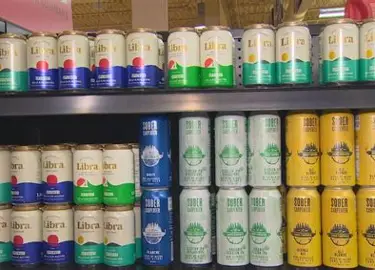
Australia’s non-alcoholic beverages market is experiencing steady growth, supported by rising health awareness, premiumization trends, and strong demand for convenience-oriented products. With a population exceeding 27 million consumers and a beverage industry generating more than AUD 20 billion annually, Australia represents one of the most developed beverage markets in the Asia-Pacific region. Consumers are increasingly shifting toward bottled water, functional beverages, sports drinks, RTD coffee, premium juices, kombucha, and low-sugar refreshment products. As wellness, hydration, and sustainability become key purchasing factors, manufacturers are focusing on innovative formulations and eco-friendly packaging solutions to meet evolving consumer expectations.
Key Market Drivers for Australia’s Non-Alcoholic Beverages Market
Growing Health and Wellness Awareness Accelerates Functional Beverage Demand
Health-conscious consumption habits continue to reshape Australia’s beverage landscape. Rising concerns regarding sugar intake, obesity, and overall wellness are encouraging consumers to shift toward low-calorie, sugar-free, and functional beverages. According to national health statistics, nearly two-thirds of Australian adults are overweight or obese, driving increased demand for healthier alternatives such as enhanced water, kombucha, probiotic beverages, electrolyte drinks, and functional products fortified with vitamins and minerals. This trend is creating substantial opportunities for beverage innovation.
Bottled Water and Premium Hydration Products Gain Market Share
Bottled water remains one of the fastest-growing segments within the Australian non-alcoholic beverages sector. Rising consumer interest in hydration, natural ingredients, and healthier lifestyles continues to strengthen demand for premium water products and flavored hydration beverages. Growth in outdoor recreation, fitness participation, and sports activities further supports consumption of sports drinks, electrolyte beverages, and functional hydration solutions.
Expanding Retail and E-Commerce Ecosystem Supports Market Growth
Australia’s highly developed retail sector, including supermarkets, convenience stores, specialty food retailers, and online platforms, provides extensive market access for beverage manufacturers. The country’s e-commerce market exceeds AUD 70 billion annually, creating significant opportunities for direct-to-consumer beverage sales and subscription-based delivery models. Additionally, premium and specialty beverage products are gaining popularity among consumers seeking convenience, quality, and wellness-focused options.
Government Initiatives Supporting Australia’s Non-Alcoholic Beverages Market
The Australian government continues to support the non-alcoholic beverages industry through public health, food safety, and sustainability initiatives. Programs led by the Department of Health and Aged Care encourage reduced sugar consumption and healthier dietary choices, driving demand for no-sugar and low-sugar beverage alternatives. Additionally, Australia’s National Packaging Targets 2025 aim for 100% reusable, recyclable, or compostable packaging, encouraging beverage manufacturers to invest in sustainable packaging innovations. The country also maintains one of the Asia-Pacific region’s most advanced food and beverage manufacturing sectors, while household spending on food and non-alcoholic beverages exceeds AUD 170 billion annually, supporting long-term industry growth. Government-backed recycling schemes and circular economy policies are further promoting environmentally responsible product development and packaging practices.
Competitive Landscape of Australia’s Non-Alcoholic Beverages Market
Australia’s non-alcoholic beverages market is highly competitive and innovation-driven, supported by a population exceeding 27 million consumers and an industry generating more than AUD 20 billion in annual revenue. Competition is particularly strong across bottled water, functional beverages, sports drinks, RTD coffee, energy drinks, kombucha, and plant-based beverage segments. The market benefits from a highly developed retail ecosystem, while Australia’s e-commerce sector exceeds AUD 70 billion, creating additional opportunities for digital beverage sales and direct-to-consumer distribution. Manufacturers are increasingly focusing on clean-label ingredients, reduced-sugar formulations, functional nutrition, sustainable packaging, and premium product positioning to differentiate offerings and capture growing demand from health-conscious consumers seeking wellness-oriented beverage solutions.
Major Challenges Facing Australia’s Non-Alcoholic Beverages Market
Increasing Regulatory Focus on Sugar Consumption
Growing public health concerns regarding obesity and sugar intake are placing pressure on manufacturers to reformulate products and improve nutritional profiles. Compliance with evolving regulations and consumer expectations requires continuous investment in research and development.
Rising Production and Supply Chain Costs
Fluctuations in raw material prices, energy costs, transportation expenses, and packaging materials continue to affect profitability across the beverage industry. Manufacturers must balance cost management with investments in sustainability and product innovation.
Future Outlook
Australia’s Non-Alcoholic Beverages Market is expected to maintain stable growth through 2035, supported by a population exceeding 27 million, rising disposable incomes, and increasing demand for healthier beverage choices. Functional drinks, premium bottled water, electrolyte beverages, RTD coffee, kombucha, and plant-based drinks are expected to outperform traditional sugary beverages as wellness trends strengthen. Additionally, Australia’s expanding e-commerce sector, valued at over AUD 70 billion, and growing demand for sustainable packaging solutions will continue to reshape consumer purchasing behavior. Companies focused on health-driven innovation, clean-label formulations, and environmentally responsible operations will be best positioned to capitalize on evolving market opportunities.
Consultants at Nexdigm, in their latest publication “Australia Non-Alcoholic Beverages Market Outlook to 2035,” analyse the sector By Beverage Category (Sugar-Sweetened Colas, Fruit-Flavored Sodas and Lemon-Lime Mixers), By Distribution Channel (Supermarket and Hypermarkets and Convenience Store and Petrol Stations) and By Packaging Format (Recycled PET Plastic bottles, Aluminum Cans and Glass Bottles).
Nexdigm suggests that businesses in Australia’s Non-Alcoholic Beverages Industry prioritize functional beverage innovation, low-sugar product development, premium hydration solutions, and sustainable packaging technologies to capitalize on the country’s AUD 20 billion+ beverage industry, growing health-conscious consumer base, expanding e-commerce ecosystem, and rising demand for wellness-focused and environmentally sustainable beverage products.
To take the next step, simply visit our Request a Consultation page and share your requirements with us.
Harsh Mittal
+91-8422857704