
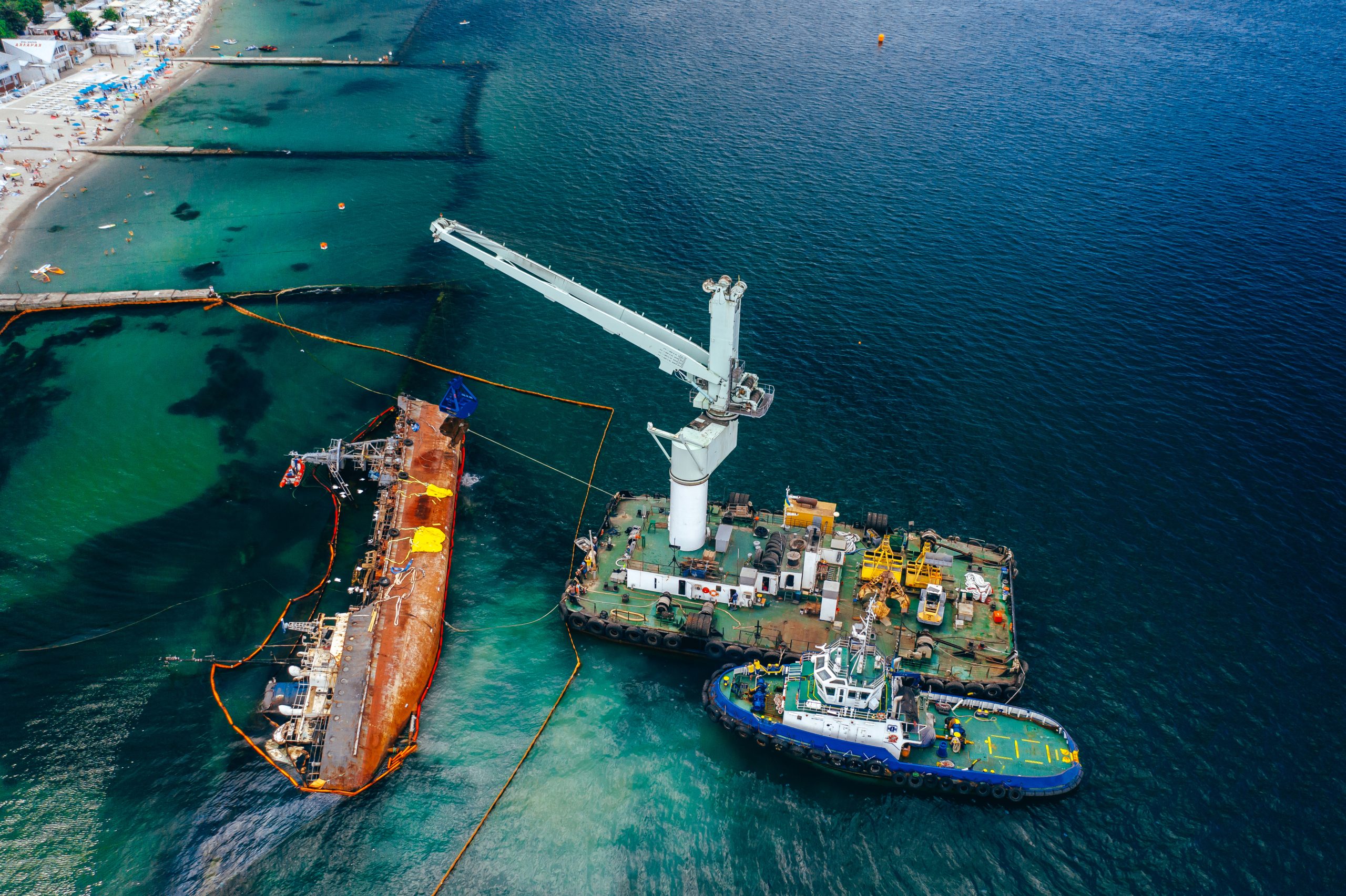
The Australia offshore mooring system market is gaining attention as the country expands its offshore energy infrastructure, oil and gas developments, and floating renewable energy projects. Offshore mooring systems secure floating production storage and offloading (FPSO) vessels, floating wind turbines, and other offshore structures against waves, currents, and strong marine conditions. Australia’s offshore wind pipeline is creating new opportunities, particularly in deeper waters where floating platforms require specialized anchoring and mooring technologies. The Gippsland offshore wind zone alone has an estimated potential generation capacity of 25 GW, highlighting its long-term importance.
Key Market Drivers Supporting the Australia Offshore Mooring System Industry
Expansion of Offshore Wind and Floating Renewable Energy Projects
The development of offshore wind projects is emerging as a major growth driver for Australia’s offshore mooring system market. Floating wind turbines require advanced anchoring systems, high-strength chains, and synthetic ropes to maintain stability in deepwater environments. The Gippsland offshore wind zone has a potential generation capacity of 25 GW, with nine active feasibility licences. Australia’s first offshore wind auction, launched in August 2026, is targeting an initial 2 GW of capacity. These developments are expected to create long-term demand for floating foundations and specialized mooring technologies.
Continued Offshore Oil and Gas Production Activities
Australia’s established offshore oil and gas industry continues to support demand for reliable mooring systems. FPSO vessels operating across Western Australia and other offshore regions depend on permanent mooring arrangements to maintain safe production operations. Facilities such as Woodside’s Okha FPSO and INPEX’s Ichthys Venturer demonstrate the importance of floating production infrastructure. Furthermore, Australia’s offshore petroleum sector includes 11 floating facilities in Western Australia and the Northern Territory, creating opportunities for mooring equipment inspection, maintenance, replacement, and engineering services.
Growing Demand for Advanced Mooring Technologies and Replacement Systems
Offshore operators are increasingly focusing on advanced mooring technologies that improve structural reliability and reduce maintenance requirements. High-performance synthetic ropes, corrosion-resistant chains, suction anchors, and digital monitoring systems are gaining importance across complex offshore applications. Australia’s ageing offshore infrastructure is also creating opportunities for inspection, refurbishment, and replacement services. As offshore wind and floating energy projects develop, suppliers offering customized engineering, installation, and lifecycle support are likely to gain a competitive advantage.
Government Support and Offshore Energy Initiatives in Australia
The Australian government is supporting offshore energy development through the Offshore Electricity Infrastructure Act 2021, which establishes the licensing and regulatory framework for offshore renewable energy projects. Victoria has also introduced legislated offshore wind targets of 9 GW, supported by its Electricity Services Entry Mechanism to improve investment certainty. In August 2026, the state launched its first offshore wind auction for 2 GW of capacity, creating opportunities for offshore infrastructure and mooring equipment suppliers.
Competitive Landscape of the Australia Offshore Mooring System Market
The Australian market includes international mooring technology providers, offshore engineering companies, and domestic marine equipment suppliers. SBM Offshore, MODEC, NOV, Delmar Systems, and Trelleborg are among the established international participants in the wider offshore mooring industry. Australian suppliers such as Franklin Offshore also contribute through the design, manufacture, and supply of mooring, lifting, and rigging equipment. Competition is primarily influenced by engineering expertise, product durability,
Market Challenges Affecting the Australia Offshore Mooring System Industry
High Installation Costs and Technical Complexity
Offshore mooring systems require specialized anchors, high-strength chains, synthetic ropes, and precision-engineered connectors. Deepwater installations involve complex engineering requirements and expensive marine vessels, increasing project costs. Maintaining system reliability under harsh ocean conditions also requires regular inspection and maintenance.
Regulatory Delays and Project Development Uncertainty
Offshore wind projects involve lengthy feasibility assessments, environmental approvals, licensing requirements, and significant capital commitments. Delays in investment decisions or project approvals can postpone equipment procurement and installation schedules. Additionally, Australia’s developing domestic offshore wind supply chain may increase dependence on imported mooring components and specialized technologies.
Future Outlook
The Australia offshore mooring system market is expected to gain momentum through 2035 as offshore wind development, floating energy infrastructure, and offshore oil and gas operations create additional demand. The initial 2 GW Gippsland offshore wind auction and the broader 25 GW potential of the declared zone provide a substantial long-term opportunity for mooring technology suppliers. Demand for advanced anchors, synthetic ropes, corrosion-resistant chains, and smart monitoring solutions is also expected to increase. Companies investing in local manufacturing, engineering partnerships, and lifecycle maintenance services will be better positioned to capture emerging opportunities.
Consultants at Nexdigm, in their latest publication “Australia offshore mooring system market outlook to 2035” analyze the sector By Mooring System (Studded Chain Assemblies, Polyester Rope Inserts, Drag Embedment Anchors), By Anchor Type (Suction Caisson Anchors, Drag Embedment Anchors)
Nexdigm suggests that businesses should invest in advanced mooring technologies, strengthen partnerships with Australian offshore energy developers, and expand capabilities in floating offshore wind and FPSO applications to capitalize on growing offshore infrastructure investments.
To take the next step, simply visit our Request a Consultation page and share your requirements with us.
Harsh Mittal
+91-8422857704