
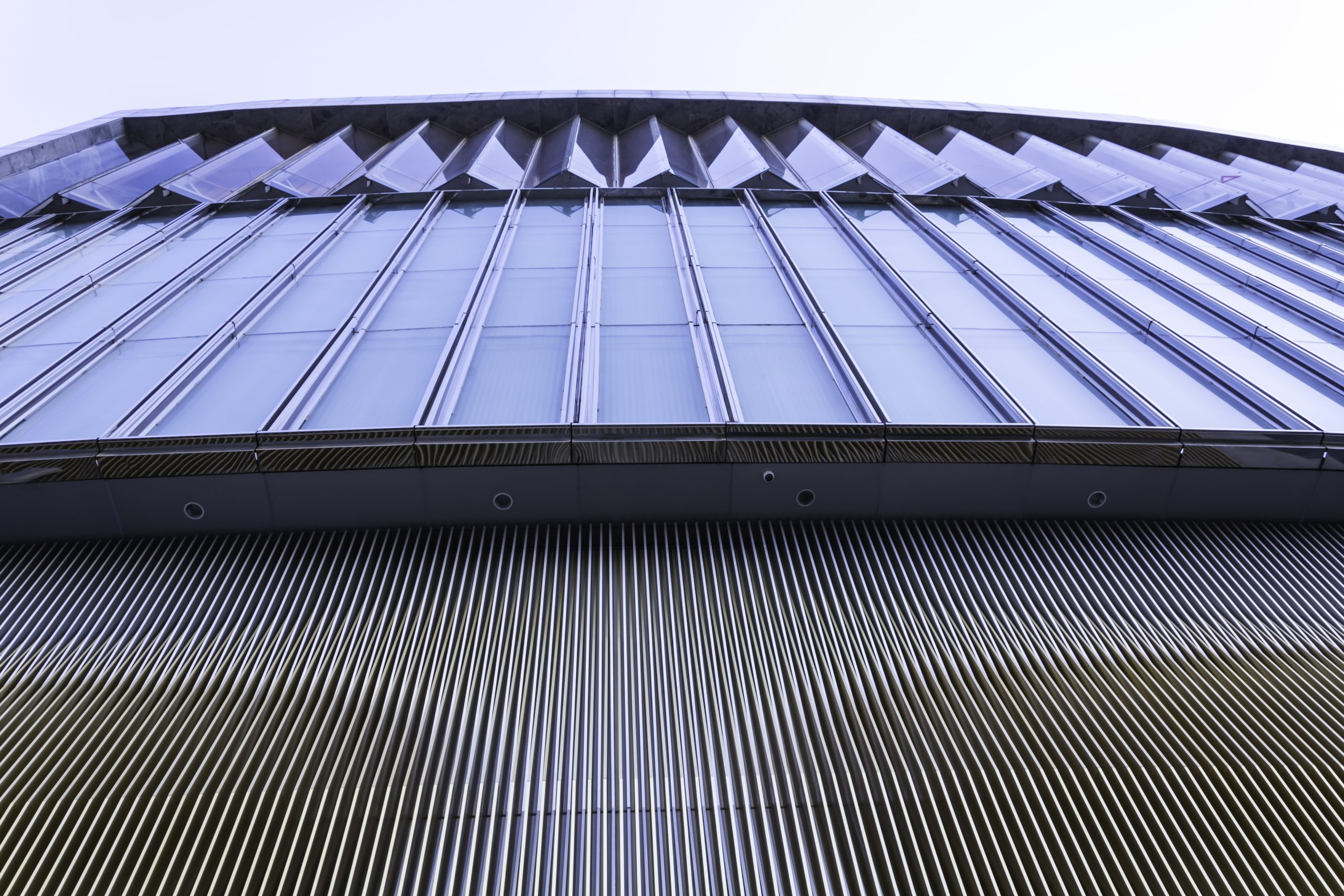
The Australia rainscreen cladding market is gaining momentum as the construction industry increasingly prioritises building durability, energy efficiency, weather protection, and modern architectural design. Rainscreen cladding systems, which create a ventilated cavity between the external façade and the building structure, help manage moisture, improve thermal performance, and extend building lifespan. Growing investments in residential, commercial, and institutional infrastructure are creating opportunities for advanced façade solutions. Additionally, stricter building safety requirements and sustainability goals are encouraging developers to adopt high-performance cladding materials. By 2035, the market is expected to benefit from increasing demand for energy-efficient and aesthetically appealing building envelopes.
Key Market Drivers Supporting the Growth of Australia’s Rainscreen Cladding Industry
Rising Construction and Infrastructure Development
Australia’s expanding construction sector is creating favourable conditions for rainscreen cladding adoption. Increasing investments in residential apartments, commercial offices, educational institutions, healthcare facilities, and mixed-use developments are supporting demand for durable external wall systems. According to the Australian Bureau of Statistics (ABS), 205,249 dwellings were approved in FY 2025–26, representing a 9.2% increase compared with the previous financial year. This growth reflects continued residential construction activity and provides opportunities for façade material suppliers. As developers focus on long-lasting building solutions, rainscreen systems are becoming an attractive option for both new construction and refurbishment projects.
Growing Demand for Energy-Efficient and Sustainable Buildings
Energy efficiency is becoming a major consideration in Australia’s building industry. Rainscreen cladding systems can improve building envelope performance by incorporating insulation, ventilation cavities, and weather-resistant external panels. These features help regulate indoor temperatures and reduce dependence on heating and cooling systems. The introduction of the National Construction Code (NCC) 2022, which increased minimum thermal performance requirements for new homes to the equivalent of 7-star NatHERS ratings, has further strengthened the focus on building efficiency. Consequently, architects and developers are showing greater interest in façade systems that combine thermal performance, durability, and sustainable material choices.
Increasing Focus on Building Safety and Weather Resistance
Australia’s varied climatic conditions, including heavy rainfall, intense sunlight, coastal humidity, and temperature fluctuations, are encouraging the use of protective façade systems. Rainscreen cladding provides an additional layer of protection against moisture penetration while allowing drainage and ventilation through the cavity. Furthermore, heightened awareness of façade fire safety following historical cladding incidents has increased demand for compliant, tested, and non-combustible materials. Fibre cement, terracotta, solid aluminium, and other suitable façade materials are gaining attention as developers seek reliable solutions that meet regulatory requirements without compromising architectural flexibility.
Government Support and Building Regulations Strengthening Industry Adoption
Government regulations and sustainability initiatives are playing an important role in shaping Australia’s rainscreen cladding market. The National Construction Code (NCC) establishes minimum requirements for building safety, energy efficiency, and sustainability, while updated thermal performance and condensation management provisions encourage better building envelope design. Additionally, government-supported initiatives such as the National Australian Built Environment Rating System (NABERS) and the Trajectory for Low Energy Buildings promote improved energy performance across the built environment. These measures are indirectly supporting demand for efficient façade technologies, including appropriately designed rainscreen cladding systems.
Competitive Landscape of the Australia Rainscreen Cladding Industry
The Australian rainscreen cladding market features a combination of domestic manufacturers, international material suppliers, and specialised façade system providers. Companies compete through product innovation, fire performance, design flexibility, durability, technical support, and compliance with Australian building standards. Key industry participants and brands include James Hardie, CSR’s Cemintel, BlueScope, Fairview Architectural, HVG Facades, and Equitone. Their product portfolios cover fibre cement, metal panels, architectural façade materials, and other external cladding solutions. Competition is increasingly centred on offering lightweight, sustainable, low-maintenance, and performance-certified systems for residential and commercial construction projects.
Market Challenges Affecting Australia’s Rainscreen Cladding Industry
High Installation Costs and Technical Complexity
Rainscreen cladding systems often involve higher initial costs than conventional external wall finishes because of additional components such as support frameworks, insulation, membranes, cavity systems, and specialised fixings. Installation also requires skilled contractors and careful coordination between architects, engineers, and construction teams. These factors can make adoption challenging for smaller developers and cost-sensitive projects, particularly when construction budgets are already under pressure.
Stringent Fire Safety and Compliance Requirements
Fire safety remains a critical challenge for the Australian cladding industry. Manufacturers must ensure that their products and complete wall assemblies satisfy applicable NCC requirements, including relevant material testing and performance provisions. Compliance documentation, product certification, and project-specific assessments can increase development timelines and costs. Additionally, uncertainty surrounding material suitability and regulatory interpretation can influence purchasing decisions and create additional responsibilities for suppliers and contractors.
Future Outlook
The Australia rainscreen cladding market is positioned for steady long-term development as the construction industry moves towards safer, more sustainable, and energy-efficient building practices. Demand is likely to increase across high-rise residential buildings, commercial developments, institutional infrastructure, and renovation projects. Technological advancements in fibre cement, terracotta, metal panels, recycled materials, and prefabricated façade systems are expected to create new growth opportunities. Manufacturers investing in fire-compliant products, improved thermal performance, and environmentally responsible production will be better positioned to compete. By 2035, rainscreen cladding is expected to play an increasingly important role in Australia’s transition towards durable, high-performance, and climate-responsive buildings.
Consultants at Nexdigm, in their latest publication “Australia Rainscreen Cladding Market Outlook to 2035,” analyze the sector by Material Composition (Metal Composite Panels, Fiber Cement Systems, Ceramic and Terracotta, Natural Stone Cladding), By Building Typology (Commercial Office Towers, Multi-Residential Complexes, Public Infrastructure Facilities), and By Fixing System Technology (Visible Face Fix, Concealed Mechanical Fixing, Adhesive Bonding Systems).
Nexdigm suggests that businesses should focus on developing fire-compliant, energy-efficient, and sustainable rainscreen cladding solutions to capitalise on Australia’s evolving construction landscape. Strengthening partnerships with architects, developers, and contractors, investing in material innovation, and ensuring compliance with building regulations will be essential for achieving long-term market competitiveness through 2035.
To take the next step, simply visit our Request a Consultation page and share your requirements with us.
Harsh Mittal
+91-8422857704