
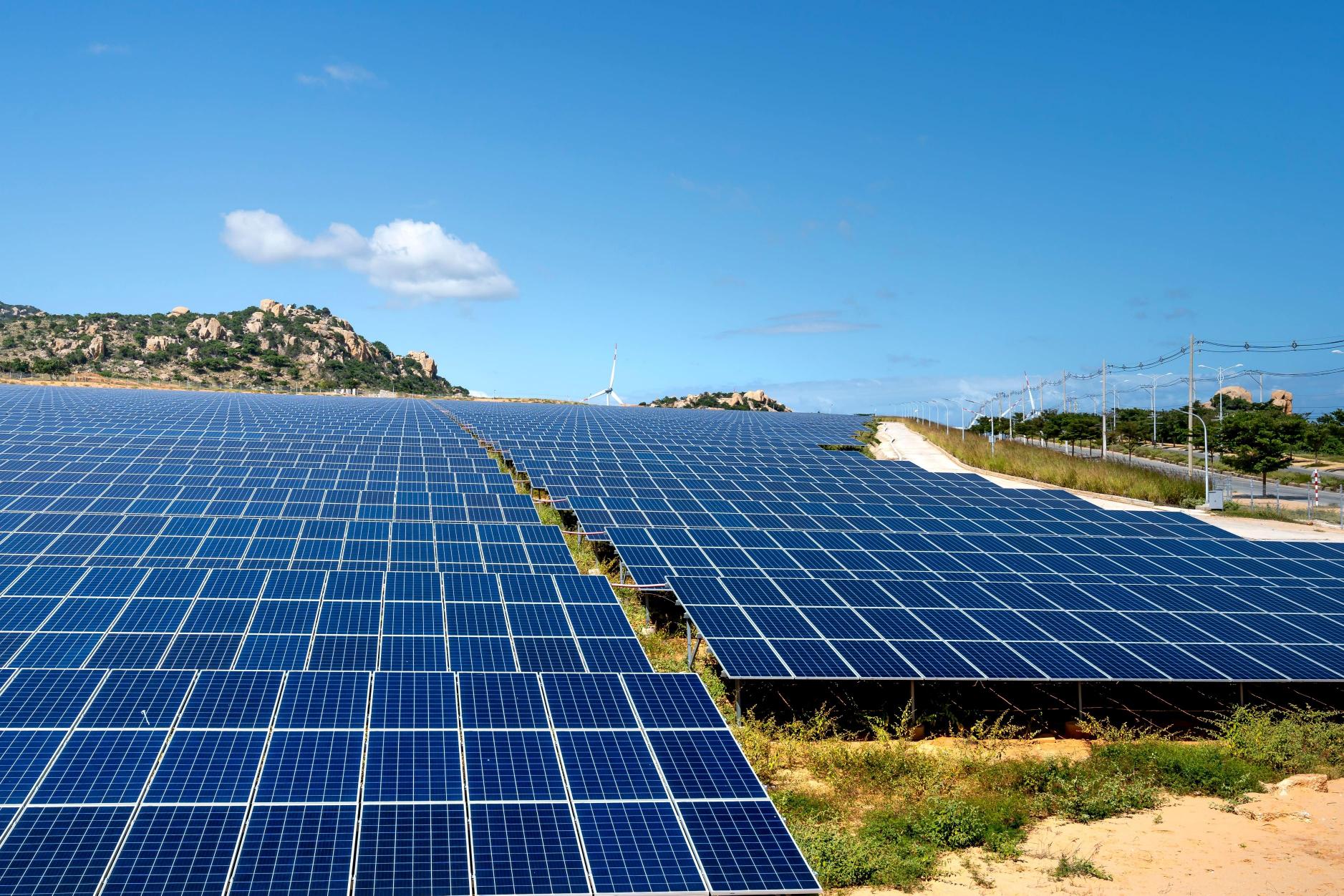
Australia solar panel recycling industry is gaining momentum as the country addresses the growing volume of end-of-life photovoltaic (PV) panels. The sector is projected to reach approximately USD 0.082 billion while expanding at a robust 18.4% CAGR over the forecast period. Rising rooftop solar installations across Australia over the past decade have created a substantial future recycling stream. As sustainability goals strengthen and resource recovery becomes a priority, recyclers are increasingly focusing on extracting valuable materials such as silicon, silver, aluminum, and glass from discarded solar panels, creating new opportunities within the circular economy.
Market Drivers Advancing Solar Panel Recycling Growth
Growing Volume of Decommissioned Solar Installations
Australia has one of the highest rates of rooftop solar adoption globally. Many early-generation systems installed during the 2010s are now approaching the end of their operational lifespan. This growing stock of aging panels is creating substantial demand for specialized recycling services. Industry stakeholders are focusing on diverting solar waste from landfills while recovering valuable materials for reuse in manufacturing and industrial applications.
Rising Demand for Critical Material Recovery
Solar panels contain recoverable materials including aluminum frames, high-purity silicon, silver, copper, and glass. As global supply chains seek sustainable sources of raw materials, recycling facilities are investing in advanced separation and extraction technologies. Companies are scaling mechanical and chemical recovery processes to maximize resource utilization while reducing dependence on primary mining activities. The growing emphasis on secondary raw materials is contributing significantly to sector expansion.
Increasing Corporate Sustainability Commitments
Solar retailers, energy providers, and manufacturers are increasingly incorporating circular economy principles into operations. Many companies now offer end-of-life collection and recycling solutions as part of broader sustainability programs. These initiatives improve brand reputation among environmentally conscious consumers while helping organizations meet environmental, social, and governance (ESG) objectives. Such commitments are accelerating investment across the recycling value chain.
Government Initiatives Supporting Solar Panel Recycling Sector
The Australian regulatory environment is becoming increasingly supportive of responsible solar waste management. The Product Stewardship Act 2011 encourages greater producer responsibility and resource recovery practices. Several state governments are implementing landfill diversion programs and sustainability targets that promote recycling infrastructure development. Regulatory bodies are also strengthening Extended Producer Responsibility (EPR) frameworks, encouraging manufacturers and distributors to participate in panel collection, recycling, and material recovery initiatives.
Competitive Landscape of Solar Panel Recycling Industry
The industry features a mix of specialized recyclers, waste management firms, and resource recovery companies. Organizations such as Reclaim PV Recycling are expanding operational capabilities to process rising volumes of end-of-life solar panels. Adelaide has emerged as a major recycling hub due to its proximity to large solar installations, while Newcastle is developing as an important processing location. Market participants are increasingly investing in advanced technologies that improve material recovery rates and operational efficiency.
Challenges Impacting Solar Panel Recycling Industry
High Processing and Collection Costs
The transportation, dismantling, and processing of solar panels remain relatively costly compared to traditional recycling streams. Geographic dispersion of solar installations can further increase logistics expenses, affecting overall profitability for recyclers.
Technology and Infrastructure Limitations
While recycling technologies continue to improve, some facilities face challenges in efficiently recovering high-purity materials at commercial scale. The industry requires additional investment in processing infrastructure, automated sorting systems, and advanced extraction methods to enhance recovery efficiency and reduce costs.
Future Outlook
Expansion of Resource Recovery Capabilities
The future of Australia’s solar panel recycling sector is expected to be shaped by continuous technological advancement and greater investment in material recovery infrastructure. Enhanced recycling processes will improve extraction rates for valuable resources, increasing economic viability.
Consultants at Nexdigm, in their latest publication “Australia Solar Panel Recycling Market Outlook to 2035,” analyze the sector By (Australian E-waste Regulatory Assessment, National PV Installation Database Analysis, Decommissioning Cycle Modeling, Supply-Side Capacity Mapping,).
Nexdigm suggests that businesses in the Australia’s Solar Panel Recycling Industry focus on strengthening material recovery capabilities, expanding recycling infrastructure, and adopting innovative processing technologies to capitalize on rising photovoltaic waste volumes, regulatory compliance requirements, and France’s growing circular economy objectives.
To take the next step, simply visit our Request a Consultation page and share your requirements with us.
Harsh Mittal
+91-8422857704