
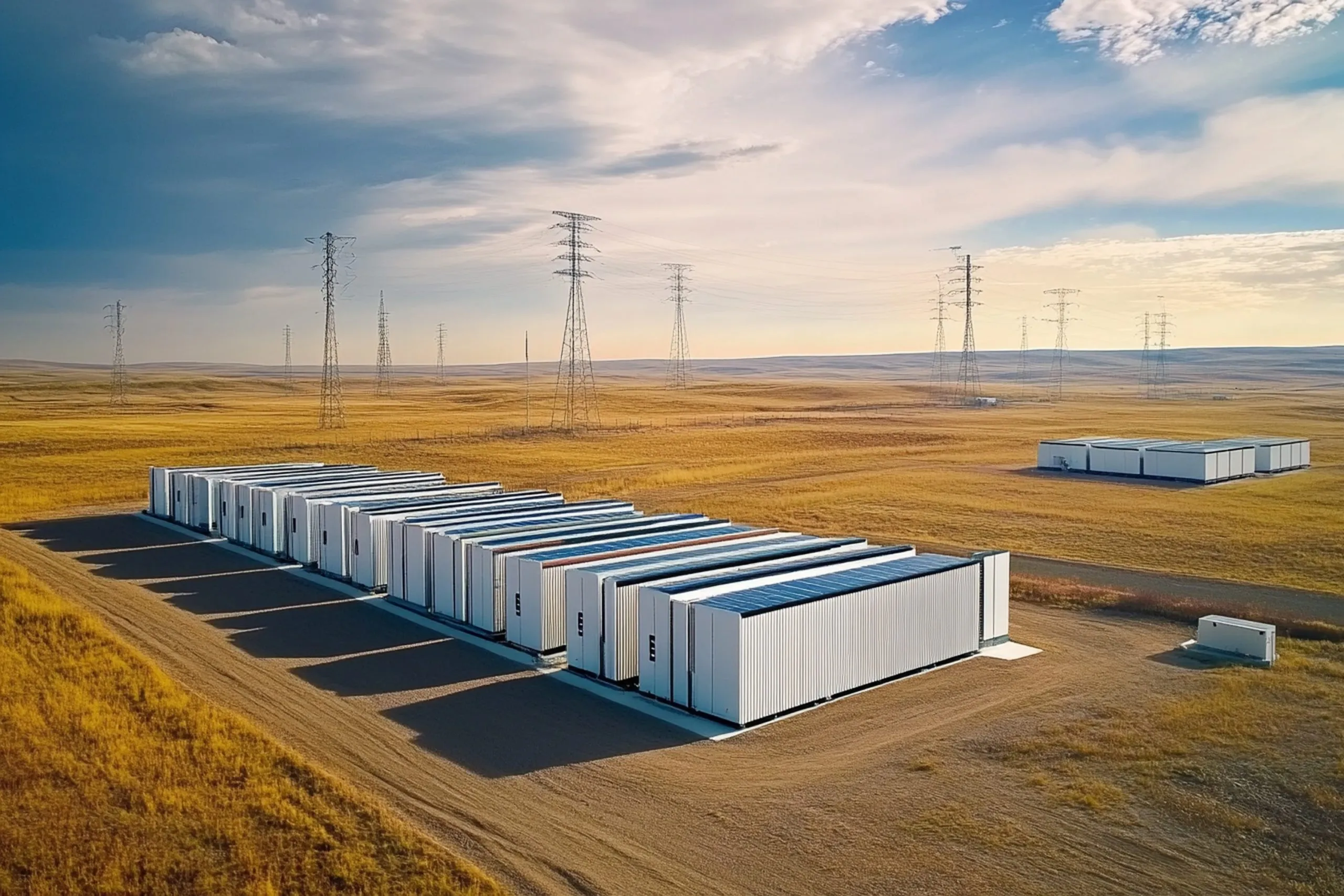
The Australia Energy Storage Market is entering a phase of rapid transformation as the nation decarbonises its energy system and integrates higher levels of renewables such as solar and wind. Energy storage technologies especially battery energy storage systems (BESS) are becoming essential to balance intermittent generation, improve grid stability, and support peak demand. Australia’s cumulative storage capacity is forecast to grow substantially over the next decade, driven by both utility‑scale and distributed deployment. Forecasts suggest storage capacity and investment will expand significantly in the upcoming years. This growth is supported by declining costs in energy storage technologies and increasing demand for flexible, reliable energy solutions. As both residential and commercial sectors continue to adopt storage systems, the market will diversify, catering to different energy consumption needs. With the backing of government policies and growing private sector interest, the future of energy storage in Australia looks poised for rapid development.
Major Growth Drivers of Australia’s Energy Storage Market
Renewable Integration and Grid Stability
Australia’s transition to renewables has accelerated, with renewables supplying approximately 43% of grid electricity in recent years. Reliable storage is required to manage intermittency and to smooth output from solar and wind installations. Battery energy storage allows excess generation to be stored and discharged during periods of high demand, addressing stability concerns as coal‑fired generation retires.
Capacity Growth and Deployment Trends
Utility‑scale storage is expected to expand sharply; one industry report projects that utility‑scale BESS capacity could grow from around 2.3 GW to about 18 GW by next decade. Residential and commercial storage deployments are also rising, with record installations reported in the residential segment, reflecting increased demand for energy autonomy and integration with rooftop solar.
Cost Reductions and Technological Advancements
Declining costs of lithium‑ion batteries and advances in storage technology continue to improve economic viability. Innovation in long‑duration storage and hybrid systems supports extended storage durations beyond typical four‑hour discharge periods, meeting evolving grid requirements.
Government Support towards enhancing Energy Storage Market of Australia
Federal and state governments have implemented a suite of policies and incentives to support storage deployment. These include revenue‑stability mechanisms for storage projects, capacity investment schemes (CIS), and targets supporting high renewable generation by 2030 and beyond. Such frameworks aim to mitigate investment risk and speed project financing and construction for grid‑scale storage. n addition, government funding programs are being introduced to encourage innovation in energy storage technologies and to lower the cost of implementation. The long-term goal is to create a more flexible and reliable energy system that supports Australia’s transition to a net-zero economy. These initiatives also aim to reduce reliance on fossil fuels and boost energy security across the nation.
Competitive Landscape of Australia’s Energy Storage Market
The competitive environment in Australia’s energy storage market includes domestic and international technology providers, utilities, and project developers. Key players engage in large BESS project roll‑outs and strategic partnerships, focusing on grid‑connected and behind‑the‑meter applications. Collaboration with renewable generation firms and investment funds is also a notable trend as the market scales. In addition, companies are diversifying their portfolios by exploring hybrid systems that combine storage with renewable generation capabilities. These collaborations are designed to optimize both energy storage and generation, allowing for more efficient energy distribution. As the market continues to grow, competition will intensify, pushing innovation in both technology and service models across the industry.
Market Challenges faced in Australia’s Energy Storage Sector
Integration Complexity
A principal challenge is integrating energy storage with existing grid infrastructure, especially given the rapid pace of renewable build‑outs. Network upgrades and regulatory adaptation are required to manage two‑way flows and maintain reliability across networks. As renewable energy penetration increases, grid operators must address storage dispatch and coordination, ensuring that storage systems can efficiently interact with variable generation sources. Additionally, the need for real-time monitoring and advanced grid management systems is crucial for optimizing energy flow and preventing outages. These complexities add an extra layer of difficulty in achieving seamless integration.
Pricing and Economics
Distributed energy resources (DERs) such as rooftop solar and VPPs create pricing dynamics that can undercut utility‑scale storage revenue models, reducing returns for large storage developers and complicating investment cases without supportive market mechanisms. The growing prevalence of self-consumption of solar power also limits demand for centralized storage systems, as consumers opt to store energy on-site. This creates an uneven playing field between decentralized systems and large-scale storage projects. As the market matures, the economic viability of large storage solutions may depend on the ability to monetize grid services or tap into new business models like virtual power plants (VPPs).
Future Outlook
Looking ahead to the coming years, the Australia energy storage market is poised for sustained expansion as renewable targets tighten, and storage becomes more central to grid operations. Total installed capacity is projected to grow multiple times, supported by both policy frameworks and declining technology costs. Market entrants will likely expand across utility‑scale, distributed, and hybrid solutions to serve diverse demand profiles. Continued innovation, coupled with evolving market structures, will determine how effectively Australia can stabilize high renewable penetration and meet long‑term net‑zero goals by mid‑century. The evolving landscape presents opportunities in long‑duration storage, grid services, and consumer‑level flexibility products as demand patterns shift.
Consultants at Nexdigm, in their latest publication Australia Energy Storage Market Outlook to 2035 analyze the sector by Fitment Type (Cloud based platforms, Web based platforms, Integrated platforms, Mobile Storage Solutions, On premise Solutions), by End User segment (Energy and Utilities, Transportation and Mobilities, Government and Public Services).
Nexdigm suggests that businesses should take a proactive approach to navigating the evolving energy storage market. By staying ahead of technological trends, companies can not only ensure long-term sustainability but also unlock new revenue streams. It’s essential for businesses to invest in innovation, explore strategic partnerships, and adapt to the growing demand for clean energy solutions.
To take the next step, simply visit our Request a Consultation page and share your requirements with us.
Harsh Mittal
+91-8422857704