
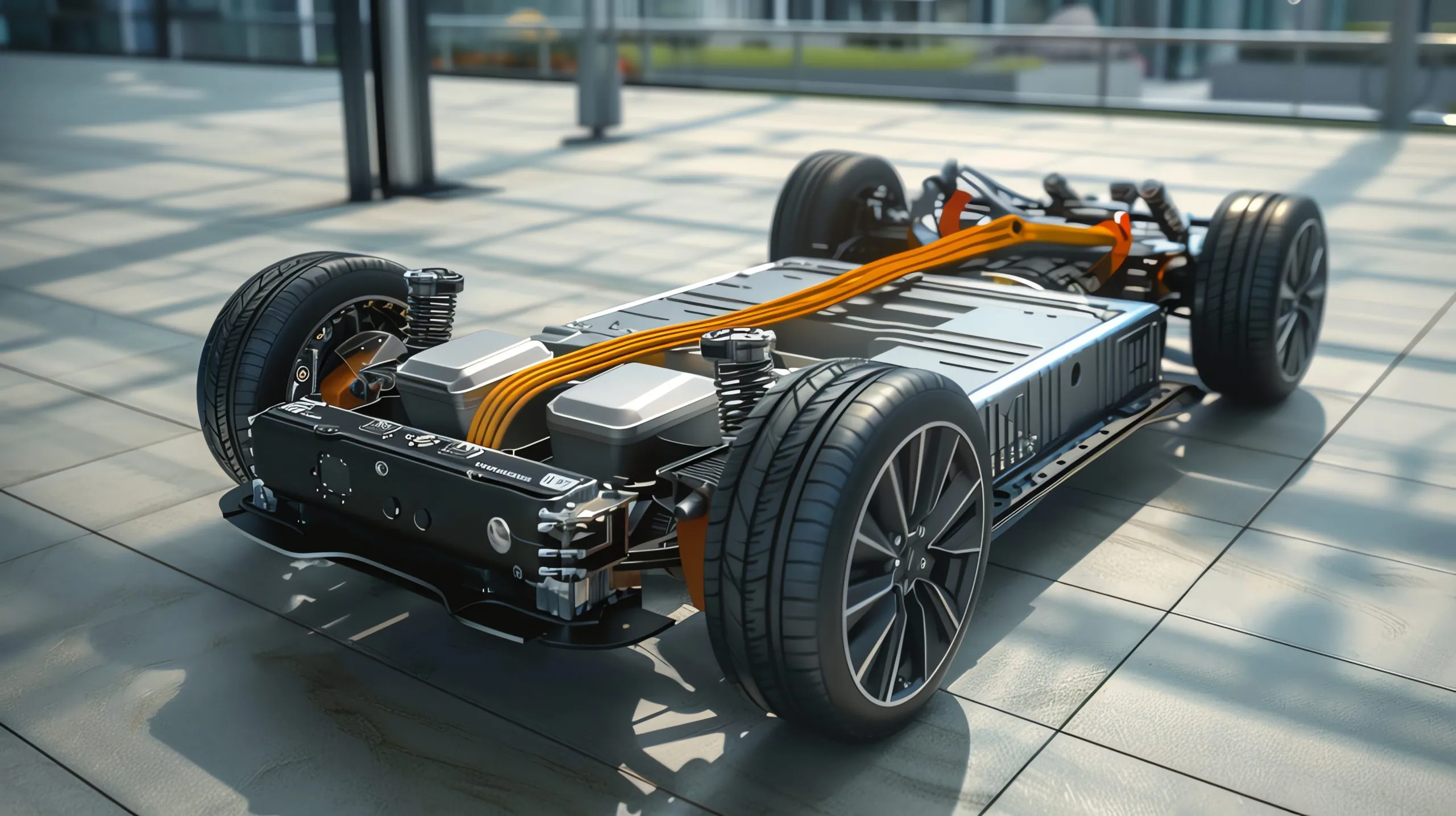
Australia’s electric vehicle (EV) battery market is entering a high-growth phase, driven by accelerating EV adoption and the broader energy transition. With over 454,000 EVs already on the road by 2025 and EVs accounting for roughly 13–15% of new car sales, battery demand is expanding rapidly. Parallel growth in renewable energy integration and battery storage is reinforcing this trajectory. The overall Australian battery market is projected to reach approximately AUD 6.39 billion by 2035, growing at a CAGR of nearly 9.7%. This positions EV batteries as a central pillar in Australia’s decarbonization strategy.
Key Market Drivers Shaping Growth of Australia’s EV Battery Market
Rapid EV Adoption and Changing Consumer Behavior
Australia is witnessing a structural shift toward EV adoption, driven by rising fuel costs and improved affordability. EV sales surged significantly in 2026, with monthly sales exceeding 15,000 units and market share approaching 15%. Additionally, consumer interest has risen sharply, with up to 34% of Australians considering an EV purchase in 2026. As EV penetration increases, demand for lithium-ion batteries—currently the dominant technology—will scale proportionally.
Expansion of Renewable Energy and Storage Integration
Australia’s energy transition is closely linked to battery growth. Increasing penetration of solar and wind power necessitates efficient storage solutions, many of which share technology and supply chains with EV batteries. Estimates suggest that over two million distributed batteries could be installed nationwide, delivering billions in energy savings annually. This synergy between EVs and energy storage is accelerating investment in battery manufacturing, recycling, and grid-scale applications.
Cost Declines and Technology Advancements
Declining battery costs and improvements in energy density are making EVs more economically viable. Over a 10-year ownership period, EV users in Australia can save over $10,000 compared to conventional vehicles. Advancements in battery chemistries, including solid-state technologies, are expected to further enhance performance and reduce costs, boosting adoption through 2035.
Government Policies and Strategic Initiatives Supporting EV Battery Market Growth
The Australian government has introduced policies such as the National Electric Vehicle Strategy to accelerate EV uptake and support battery industry development. Public investments include funding for charging infrastructure, with over 3,300 charging points already supported across the country. In addition, incentives like tax benefits and emissions reduction targets are encouraging EV adoption and fostering domestic battery innovation, particularly in mining and processing of critical minerals like lithium.
Competitive Landscape and Key Players Driving Market Development
The Australian EV battery ecosystem is shaped by a mix of global and regional players. International battery manufacturers and EV OEMs—particularly from China—are gaining traction due to cost competitiveness. Brands like BYD and MG are expanding rapidly in Australia’s EV market. Meanwhile, domestic opportunities are emerging in lithium mining, battery recycling, and energy storage solutions, positioning Australia as a strategic supplier in the global battery value chain.
Key Challenges Impacting the Growth of Australia’s EV Battery Market
Infrastructure and Supply Chain Constraints
Despite strong growth, infrastructure gaps remain a key challenge. Charging deployment delays—sometimes up to 18 months—limit EV adoption and, by extension, battery demand.
Consumer Concerns on Battery Costs and Lifespan
Battery-related concerns continue to hinder adoption. Around 60% of consumers worry about replacement costs, while over 60% cite uncertainty around battery life. These concerns may slow near-term growth unless addressed through warranties, recycling systems, and technological improvements.
Future Outlook
The Australia EV battery market is expected to witness sustained expansion through 2035, underpinned by strong EV adoption, policy support, and renewable integration. As EVs become more mainstream and battery costs decline, demand for advanced battery technologies will intensify. Additionally, the emergence of second-life battery applications and recycling ecosystems will play a critical role in ensuring sustainability and supplying security. With abundant lithium reserves and growing domestic capabilities, Australia is well-positioned to become a key player in the global EV battery supply chain over the next decade.
Consultants at Nexdigm, in their latest publication “Australia EV Battery Market Outlook to 2035,” analyze the sector by System Type (Lithium-ion Batteries, Solid-state Batteries, Nickel-metal Hydride Batteries, Lead-acid Batteries), By Platform Type (Electric Cars, Electric Buses, Electric Trucks), and By Fitment Type (OEM Fitment, Aftermarket Fitment, Custom Fitment). Nexdigm suggests that businesses should align their strategies with evolving EV adoption trends, advancements in battery technologies, and Australia’s regulatory and policy landscape to stay competitive. This includes investing in localized supply chains, forming strategic partnerships across the battery value chain, and leveraging opportunities in lithium processing and recycling. Companies should also monitor shifts in consumer preferences, cost dynamics, and infrastructure development to identify high-growth segments and ensure long-term sustainability in the rapidly expanding EV battery market.
To take the next step, simply visit our Request a Consultation page and share your requirements with us.
Harsh Mittal
+91-8422857704