
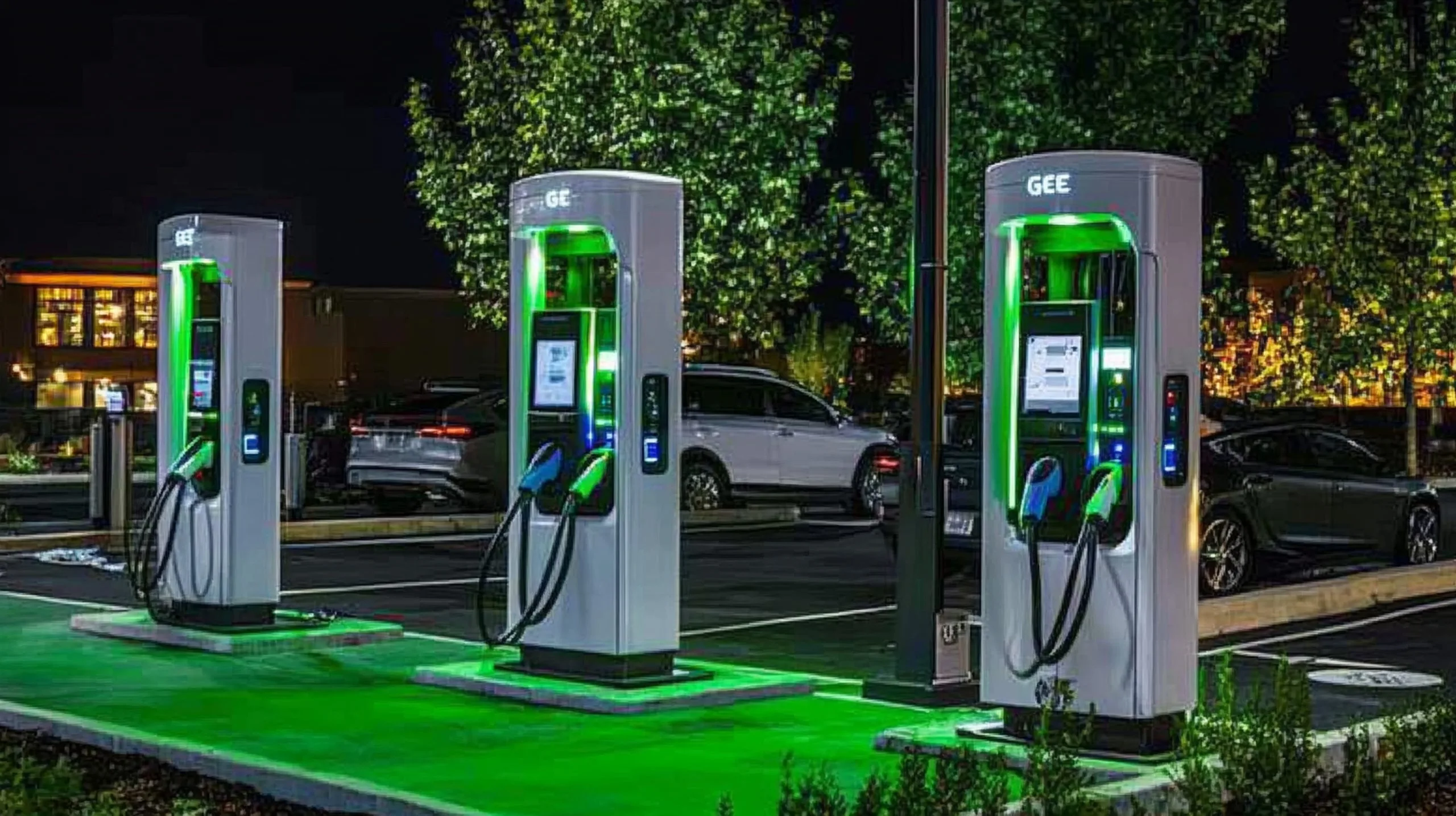
Australia’s electric vehicle (EV) charging infrastructure market is entering a rapid growth phase, driven by accelerating EV adoption and policy momentum. The market was valued at approximately USD 304 million in 2025 and is projected to surpass USD 1.6 billion by the mid-2030s, reflecting strong double-digit growth. With over 157,000 EVs sold in 2025 alone and EV penetration reaching over 13% of new car sales, demand for reliable charging networks is intensifying. The expansion of both public fast-charging networks and private charging solutions is expected to shape Australia’s transition toward a low-emission transport ecosystem.
Key Catalysts Shaping the Growth of EV Charging Infrastructure in Australia
Rapid Growth in EV Adoption
Australia’s EV market is expanding at a significant pace, with over 410,000 EVs already on the road by late 2025. Annual EV sales grew by 38% in 2025, crossing 100,000 battery electric vehicle sales for the first time. This surge is creating direct demand for both residential and public charging infrastructure. Additionally, rising fuel prices and lower long-term operating costs are encouraging consumers to shift toward EVs, further boosting charging requirements.
Expansion of Public Charging Networks
Australia has made notable progress in deploying public charging infrastructure, with more than 1,200 fast-charging stations and over 4,000 high-power charging plugs nationwide. The number of fast-charging locations reached around 1,272 by 2025, reflecting approximately 20% annual growth. Fast chargers are becoming the dominant segment due to their ability to support long-distance travel and reduce range of anxiety.
Corporate Electrification and Sustainability Goals
Corporate fleets, logistics companies, and government agencies are increasingly adopting EVs to meet sustainability targets. This trend is driving demand for the workplace and depot-based charging solutions. Additionally, integration with renewable energy systems and smart grid technologies is enhancing the appeal of EV charging infrastructure, supporting Australia’s broader decarbonization objectives.
Government Policies, Incentives, and Strategic Investments Supporting Market Growth
The Australian government is actively supporting EV infrastructure through funding programs and national strategies. Initiatives such as the National Electric Vehicle Strategy and a $40 million investment to expand public charging networks are accelerating deployment. State-level programs, including New South Wales’ $100 million EV strategy, aim to install thousands of chargers and address regional accessibility gaps. These coordinated efforts are fostering public-private partnerships and improving nationwide charging coverage.
Competitive Dynamics and Leading Companies Shaping the Market
The Australian EV charging infrastructure market is moderately fragmented, with participation from utilities, charging network operators, and technology providers. Key players include Charge fox, Evie Networks, Tesla Supercharger Network, and Ampol. Competition is intensifying as companies expand fast-charging corridors and urban charging hubs. Partnerships between energy providers, governments, and private firms are common, enabling rapid infrastructure deployment and innovation in smart charging and payment systems.
Key Barriers and Constraints Affecting Market Growth
Infrastructure Gaps and Grid Constraints
Despite progress, infrastructure deployment remains uneven, particularly in rural and remote regions. High installation costs and limited grid capacity in certain areas hinder expansion. Urban challenges such as apartment charging access and lengthy permitting processes—sometimes up to 18 months—also slow rollout.
High Initial Investment
The capital-intensive nature of fast-charging infrastructure, including grid upgrades and land acquisition, poses a barrier to new entrants. This can delay network expansion and limit availability in less profitable locations.
Future Outlook
The Australia EV charging infrastructure market is poised for strong growth through 2035, supported by rising EV adoption, technological advancements, and policy backing. Market revenues are expected to grow at over 20% CAGR, driven by fast-charger deployment, smart charging solutions, and integration with renewable energy systems. Innovations such as vehicle-to-grid (V2G) technology and solar-powered charging stations are likely to emerge as key trends. As infrastructure expands across urban and regional areas, Australia is expected to develop a more resilient, accessible, and sustainable EV ecosystem.
Consultants at Nexdigm, in their latest publication “Australia EV Charging Infrastructure Market Outlook to 2035,” analyze the sector by System Type (Residential Charging Solutions, Public Charging Solutions, Fast Charging Solutions, Ultra-Fast Charging Solutions), By Platform Type (AC Charging Platforms, DC Charging Platforms, Hybrid Charging Platforms), and By Fitment Type (Wall-mounted Solutions, Standalone Charging Stations, Portable Charging Solutions). Nexdigm suggests that businesses should align their strategies with evolving market dynamics by investing in scalable EV charging infrastructure, leveraging public–private partnerships, and integrating renewable energy solutions to enhance long-term sustainability and competitiveness.
To take the next step, simply visit our Request a Consultation page and share your requirements with us.
Harsh Mittal
+91-8422857704