
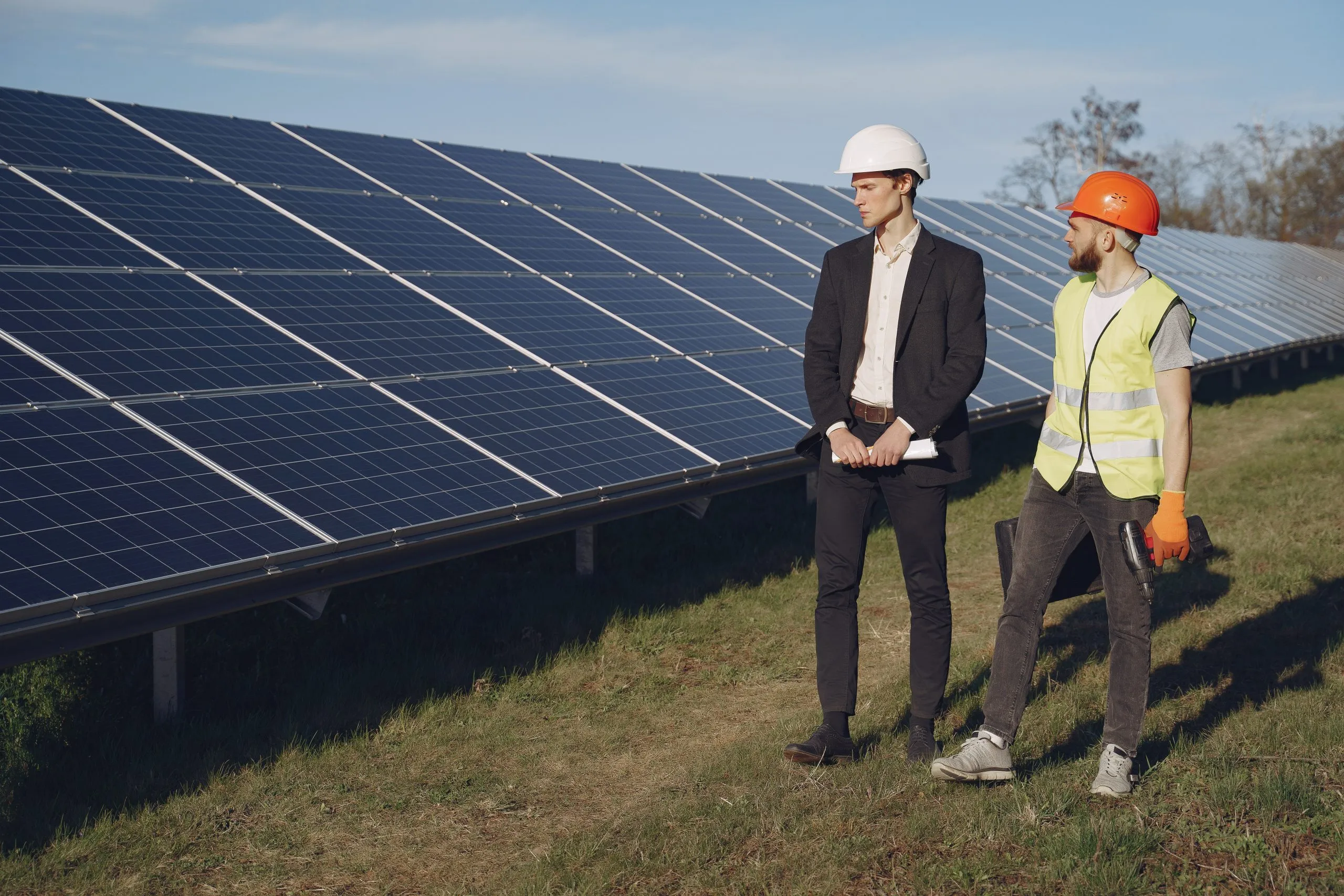
Australia is rapidly advancing in the renewable energy sector, and solar photovoltaic (PV) energy plays a critical role in this transformation. The country’s abundant sunlight makes it a prime location for solar power generation, which is expected to significantly increase over the next decade. With a growing focus on sustainability and reducing carbon emissions, Australia’s solar PV market is set to expand, both in residential and commercial applications. In the upcoming years, solar energy is expected to become a major contributor to Australia’s renewable energy capacity, driven by supportive policies, technological innovations, and increasing investments. The country’s efforts to achieve net-zero emissions have placed solar power at the forefront of its renewable energy transition.
Key Market Growth Drivers in Australia’s Solar PV Industry
Abundant Solar Resources and Falling Costs
Australia’s geographical advantage, with high solar insolation, makes it one of the leading regions for solar energy generation. The country receives some of the highest average solar radiation levels globally enabling efficient power generation across its vast land area. Alongside favourable climatic conditions, the declining cost of solar panels and associated equipment has made solar energy more affordable and accessible for both residential and commercial sectors.
Government Support and Renewable Energy Goals
The Australian government’s commitment to renewable energy has been instrumental in accelerating the growth of the solar PV market. Initiatives like the Renewable Energy Target (RET) aim to generate renewable electricity with solar energy playing a key role in reaching that goal. Additionally, state and federal incentives, such as rebates and feed-in tariffs, further boost solar adoption. The Australian government has also committed to net-zero emissions which will increase the demand for solar PV systems to reduce reliance on fossil fuels.
Technological Advancements and Energy Storage Integration
The solar PV market in Australia has benefited greatly from technological innovations, such as higher-efficiency solar panels and energy storage solutions like batteries. The integration of solar power with battery storage systems allows users to store excess energy generated during the day for use during the evening, ensuring continuous power supply. With further improvements in solar efficiency and storage technology, solar systems will become more efficient and economical, making them an even more attractive option for households and businesses alike.
Government’s Strategic Policies Driving Solar PV Market Growth
Australia’s government plays a crucial role in fostering the growth of solar energy. The Clean Energy Finance Corporation (CEFC) supports the funding of renewable energy projects, including large-scale solar farms. The Small-Scale Renewable Energy Scheme (SRES) offers rebates for small solar installations, while the Large-Scale Renewable Energy Target (LRET) incentivizes the development of large solar power plants. These programs, coupled with state-level policies and financial incentives, are making solar power more accessible for Australians, contributing to the market’s rapid growth.
Competitors and Leaders of Australia’s Solar PV Market
Australia’s solar PV market is highly competitive, with a mix of domestic and international players. Leading solar companies such as SunPower, First Solar, and Tesla dominate the utility-scale solar farm sector, while local companies like SolarEdge and Tindo Solar focus on residential and commercial solar installations. Additionally, a range of small to medium-sized businesses is emerging, offering solar panel installation, maintenance, and energy storage solutions. With the Australian solar market being one of the largest in the world per capita, competition remains fierce, pushing companies to innovate and improve service offerings.
Challenges Experienced within the Solar PV Market of Australia
Grid Integration and Energy Storage
While solar power generation in Australia continues to grow, one of the key challenges is integrating solar energy into the national grid. As more rooftop solar systems are installed, the grid must evolve to handle increased solar generation, especially during peak sunlight hours. The intermittent nature of solar power also makes it essential to have energy storage systems in place to ensure grid stability. Australia will need to make substantial investments in grid infrastructure and energy storage solutions to effectively manage and distribute solar energy across the country.
Regulatory Complexity and Policy Uncertainty
Although Australia has made strides in renewable energy policy, regulatory complexity and policy uncertainty can pose challenges for developers. Changes in government priorities, fluctuating support mechanisms, and the lack of a clear long-term policy framework for the energy sector may create uncertainty for solar developers and investors. Ensuring stable, clear, and long-term policies will be crucial for continued market growth.
Future Outlook
The future of Australia’s solar PV market looks incredibly promising, with a projected 12% annual growth rate in the coming years. As the country increases its focus on sustainability and reducing carbon emissions, the demand for solar energy will continue to rise. The growth of both residential and commercial solar installations will contribute significantly to achieving Australia’s renewable energy targets. Additionally, advancements in solar technology and energy storage systems will further drive the adoption of solar power. With government support, competitive innovation, and an abundance of natural resources, Australia is poised to remain a global leader in solar energy development, making significant strides towards a cleaner, more sustainable energy future.
Consultants at Nexdigm, in their latest publication Austraila Solar PV Market Outlook to 2035, analyze the sector by End User Segment (Residential Customers, Commercial Businesses, Industrial Facilities, Utilities, Government Entities), by Procurement Channel (Direct Procurement, Government Tenders, Private Sector Procurement, Online Procurement Platforms, Third party Distributors).
Nexdigm suggests that businesses should align their strategies with Australia’s renewable energy goals by investing in solar PV solutions. By adopting solar energy, companies can reduce operational costs, benefit from government incentives, and enhance their sustainability credentials. Additionally, exploring energy storage technologies can further optimize energy usage and support Australia’s clean energy transition.
To take the next step, simply visit our Request a Consultation page and share your requirements with us.
Harsh Mittal
+91-8422857704