
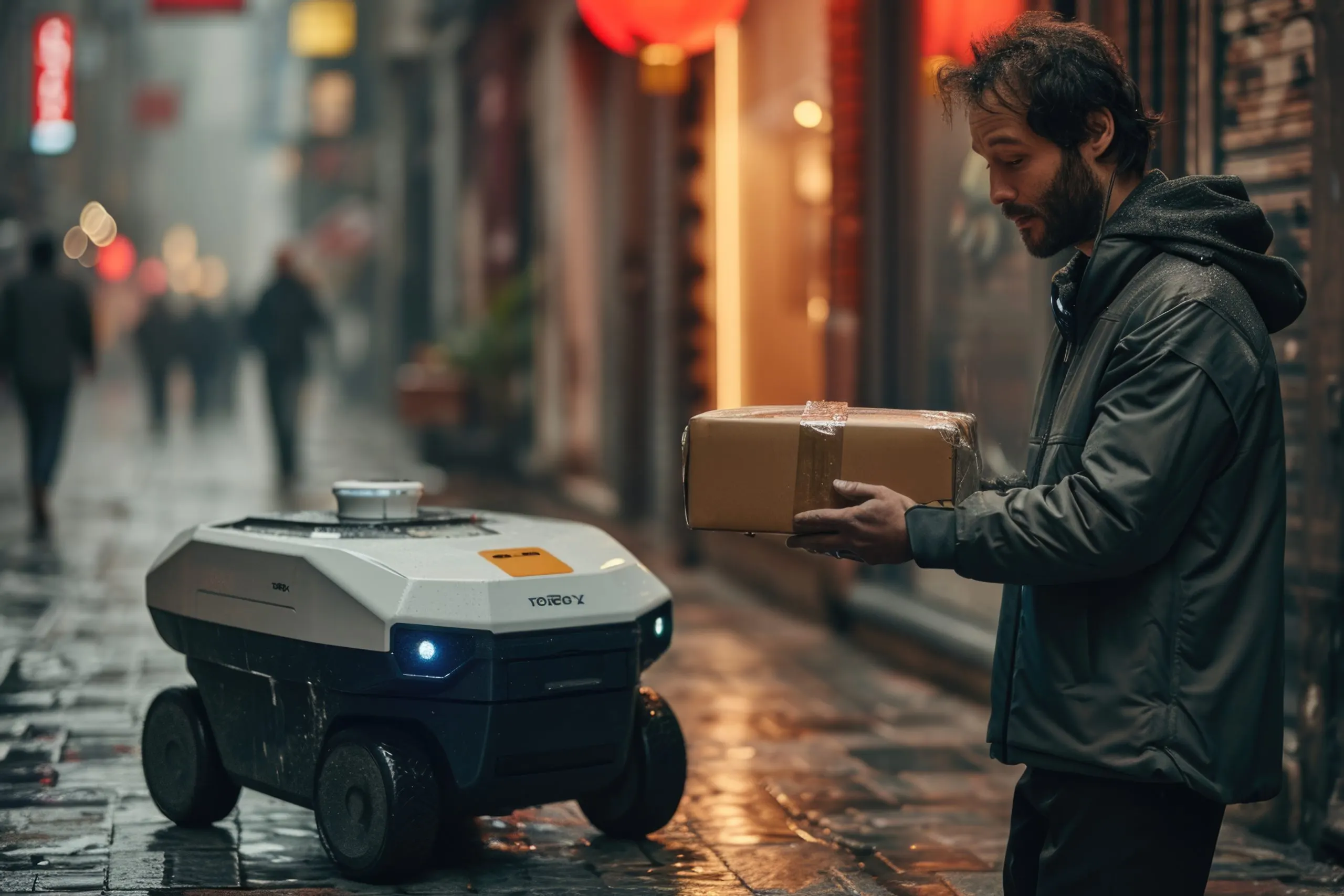
With the rise of e-commerce and urban congestion, autonomous delivery analysis has become critical for improving efficiency in high-density logistics networks. By evaluating the performance of autonomous vehicles, drones, and robotic delivery systems, organizations can optimize routes, reduce costs, and enhance service reliability.
Integrating competitive intelligence allows companies to benchmark against industry peers, understand emerging technologies, and adopt best practices. This combination of autonomous delivery solutions and market insights enables informed strategic decisions, accelerates innovation, and strengthens operational competitiveness in increasingly complex urban supply chains.
Adoption of autonomous delivery models in urban logistics is rapidly increasing, with over 30% of last-mile deliveries in high-density cities expected to leverage autonomous vehicles or drones by 2027. Studies show these technologies can reduce delivery costs by 20–25% and improve delivery speed by 15–20%.
Companies combining autonomous delivery analysis with competitive intelligence achieve higher operational efficiency, better route optimization, and faster adoption of emerging technologies, strengthening their position in congested urban logistics networks.
Competitive Intelligence in Optimizing Routes and Costs Using Autonomous Delivery Data
Competitive intelligence in optimizing routes and costs using autonomous delivery data involves analyzing market, competitor, and operational insights to enhance route efficiency, reduce transportation expenses, and improve overall urban logistics performance.
- Data Collection from Autonomous Vehicles – Gathering real-time operational metrics from drones, robots, and self-driving vehicles to inform route and cost optimization.
- Market and Competitor Benchmarking – Analyzing competitor autonomous delivery strategies and urban logistics performance to identify efficiency opportunities.
- Route Optimization Analysis – Using AI and intelligence insights to select the fastest, safest, and most cost-effective delivery paths.
- Cost Reduction Strategies – Identifying areas to lower fuel, maintenance, and labor costs by leveraging autonomous delivery data and benchmarking results.
- Predictive Analytics for Urban Logistics – Forecasting congestion, delays, and delivery bottlenecks to proactively adjust routes and resources.
Nexdigm Route Optimization Solutions for Autonomous Logistics
Nexdigm Route Optimization Solutions for Autonomous Logistics leverage AI, real-time data, and competitive intelligence to optimize delivery paths for drones, robots, and self-driving vehicles. The solution reduces transit times, lowers transportation costs, and enhances operational efficiency across high-density urban networks. By continuously analyzing performance metrics, Nexdigm enables proactive decision-making, improves service reliability, and strengthens multi-tier supply chain competitiveness.
Nexdigm Urban Logistics Performance Benchmarking for Autonomous Delivery Gains
Nexdigm Urban Logistics Performance Benchmarking for Autonomous Delivery Gains evaluates autonomous delivery efficiency, compares performance against industry standards, identifies improvement opportunities, and leverages insights to reduce costs, optimize routes, and enhance operational reliability:
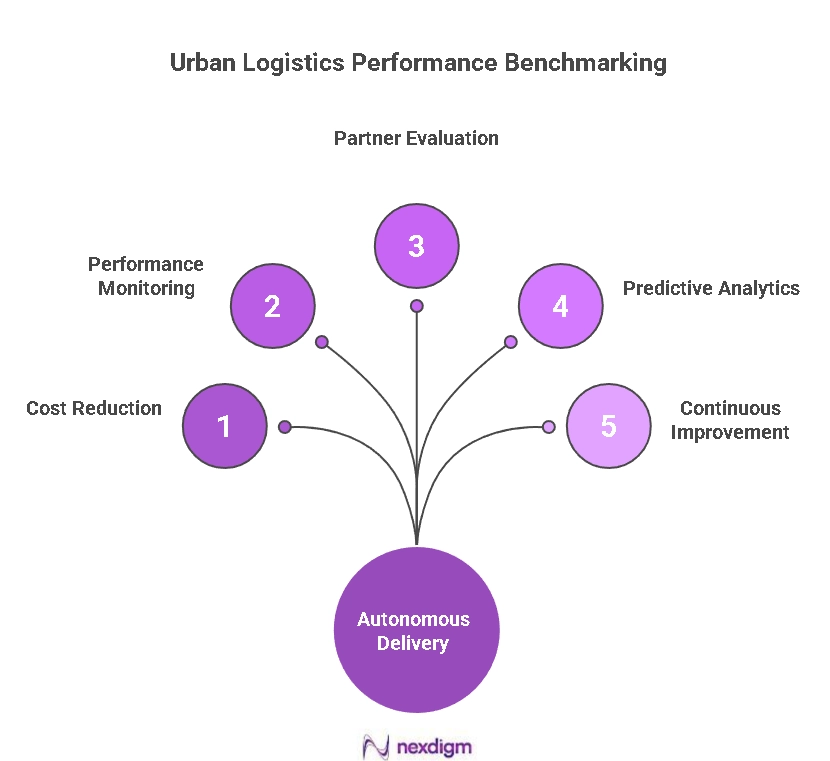
- Cost and Resource Optimization – Analyze route efficiency, energy usage, and operational costs to reduce expenses and maximize asset utilization.
- Real-Time Performance Monitoring – Use dashboards to track deliveries, exceptions, and KPIs for proactive decision-making and continuous improvement.
- Supplier and Technology Partner Evaluation – Assess third-party autonomous system providers for reliability, performance, and alignment with logistics objectives.
- Predictive Analytics for Urban Congestion – Anticipate traffic delays, bottlenecks, and potential disruptions to optimize routing and delivery schedules.
- Continuous Improvement Programs – Implement insights from benchmarking and performance tracking to refine autonomous delivery operations over time.
Nexdigm’s case:
Nexdigm worked with a global logistics provider to optimize transportation and distribution operations through detailed process review and cost analysis. The engagement identified opportunities that led to over AUD 0.8 million in annual cost savings, reduced order receiving costs by 89 %, and unlocked potential logistics cost efficiencies of up to 60 % through smarter palletization and inventory optimization models. These improvements enhanced operational control and performance visibility across the client’s logistics network.
To take the next step, simply visit our Request a Consultation page and share your requirements with us.
Harsh Mittal
+91-8422857704