
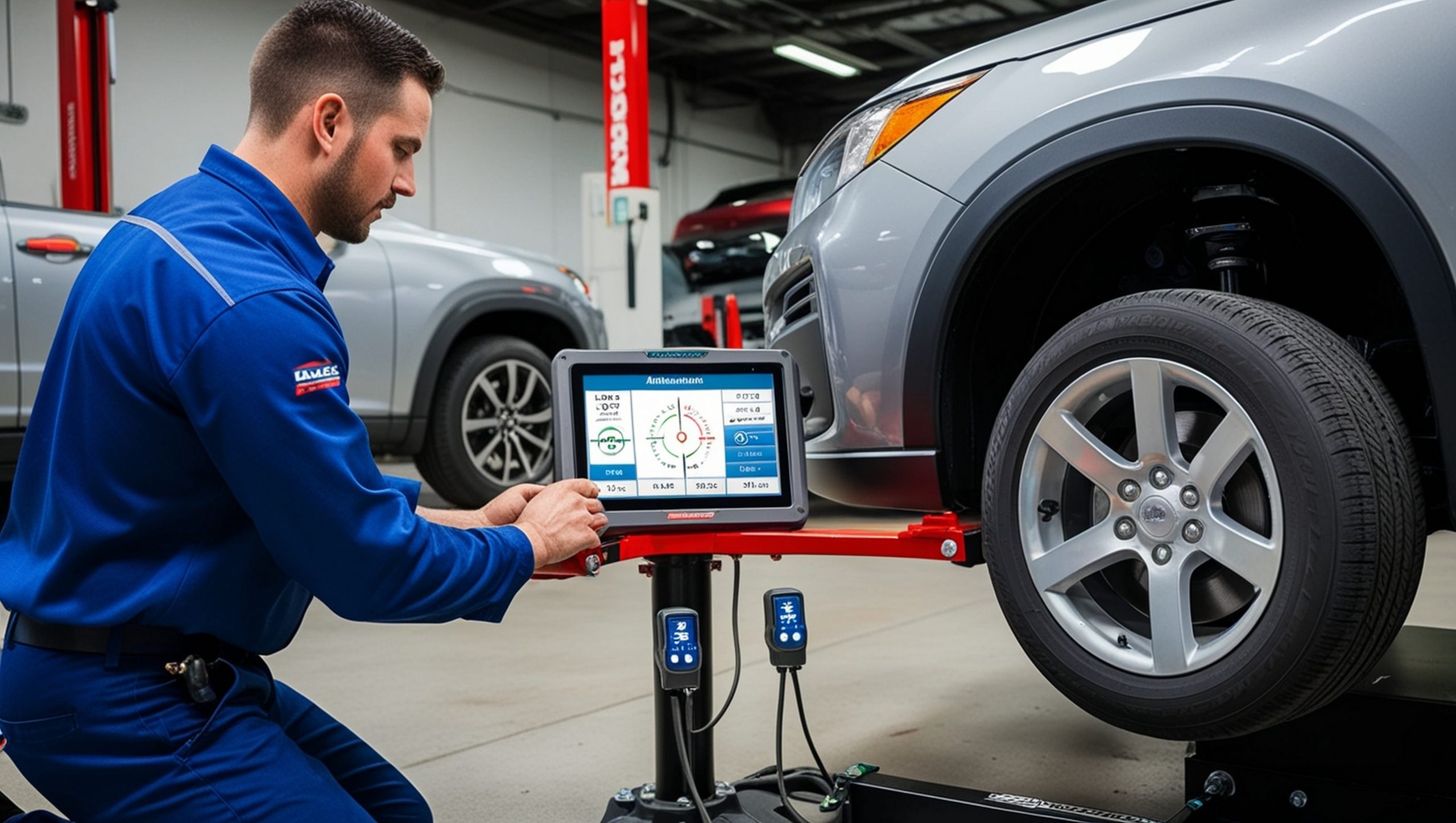
India’s automotive market is moving toward heavier vehicle platforms, greater electrification, and wider ADAS adoption. Each shift is changing braking requirements, from stopping performance and thermal management to electronic control and component durability.
The passenger-vehicle market reached a record 46.43 lakh units in FY2025-26, according to SIAM. Utility vehicles accounted for about 68% of passenger-vehicle sales in Q1 FY2026-27, reinforcing the shift toward larger vehicle formats.
For brake suppliers, vehicle volumes remain important, but vehicle architecture increasingly determines component requirements.
Three Trends Are Reshaping Brake Requirements
- Electrification introduces regenerative braking, reducing reliance on friction brakes during suitable deceleration while increasing the need to coordinate regenerative and conventional braking.
- ADAS is making braking increasingly responsive to electronic commands. Automated Emergency Braking, for example, requires sensors, control systems and brakes to work together within a defined response window.
- Vehicle weight can increase braking loads and influence thermal performance, durability and component sizing.
The impact varies by vehicle architecture and technology penetration, making segment-level analysis important for suppliers.
Regenerative Braking Is Changing Friction-Brake Demand
Electric and hybrid vehicles can use regenerative braking to recover kinetic energy through the electric motor. Conventional friction brakes remain necessary when regenerative braking cannot provide sufficient deceleration and during emergency situations.
This can change the operating profile of brake pads and discs. At the system level, braking must also remain predictable as the vehicle transitions between regenerative and friction braking.
India’s AIS-049 braking requirements recognize vehicles equipped with regenerative braking systems and specify applicable braking-performance requirements.
For suppliers, electrification can therefore affect both conventional friction-component demand and opportunities in integrated braking technologies.
ADAS Is Making Braking More Electronic
ADAS is changing braking from a predominantly driver-controlled function to one increasingly connected to vehicle electronics.
A March 2025 Ministry of Road Transport and Highways notification requires Vehicle Stability Function and Advanced Emergency Braking Systems for specified M2, M3, N2 and N3 vehicles from 2026, alongside Lane Departure Warning System requirements.
As these systems expand, braking must interact reliably with:
- Sensors
- Electronic control units
- Vehicle stability systems
- Automated braking functions
- Actuators and electronic controls
This increases the relevance of electronically controlled and integrated braking architectures.
Vehicle Weight Adds Another Demand Variable
Some EVs, particularly those with larger battery packs, can be heavier than comparable conventional vehicles. Vehicle weight can also influence brake and tyre wear.
Higher mass can affect:
- Braking energy
- Thermal loads
- Component durability
- Stopping performance
- Brake-system specifications
For suppliers, the implication is not simply higher component volumes. Changing vehicle mass can also change the specification and performance requirements of each braking system.
Where the Opportunity Is Moving
The impact differs across the braking value chain.
- Friction components: Remain essential, although regenerative braking can alter wear patterns.
- Electronic braking systems: Gain relevance as braking becomes integrated with ADAS and vehicle controls.
- Actuators and controls: Become more important as braking responds to electronic inputs.
- Testing and validation: Become increasingly significant as systems operate across conventional, regenerative and automated braking conditions.
Market opportunity therefore depends on both vehicle production and technology content per vehicle.
Nexdigm’s Brake System Demand Analysis
Nexdigm’s brake system Market Assessment evaluates brake-system opportunities through five dimensions:
- Vehicle Architecture: Assess vehicle classes, weight trends and platform characteristics affecting braking requirements.
- Electrification Penetration: Map EV and hybrid adoption and its implications for regenerative and friction braking.
- ADAS Adoption: Track automated braking and related safety technologies across vehicle platforms.
- Component Technology Mix: Assess demand across friction components, electronic braking systems, actuators and controls.
- OEM & Supplier Opportunity: Evaluate production volumes, platform adoption and supplier positioning.
The assessment can inform technology investment, OEM targeting, capacity planning and product strategy.
Nexdigm’s Brake System Demand Assessment
Nexdigm assessed a ₹1,800+ crore braking-system opportunity across 9 vehicle platforms, mapping weight, electrification and ADAS penetration against component requirements. The analysis identified 4 technology segments with strong potential for supplier expansion and product-development investment.
Brake demand is increasingly shaped by the interaction between vehicle volumes and vehicle technology. A focused brake system demand analysis can help suppliers identify where changing vehicle architecture is creating new component requirements and commercial opportunities.
To take the next step, simply visit our Request a Consultation page and share your requirements with us.
Harsh Mittal
+91-8422857704
[email protected]