
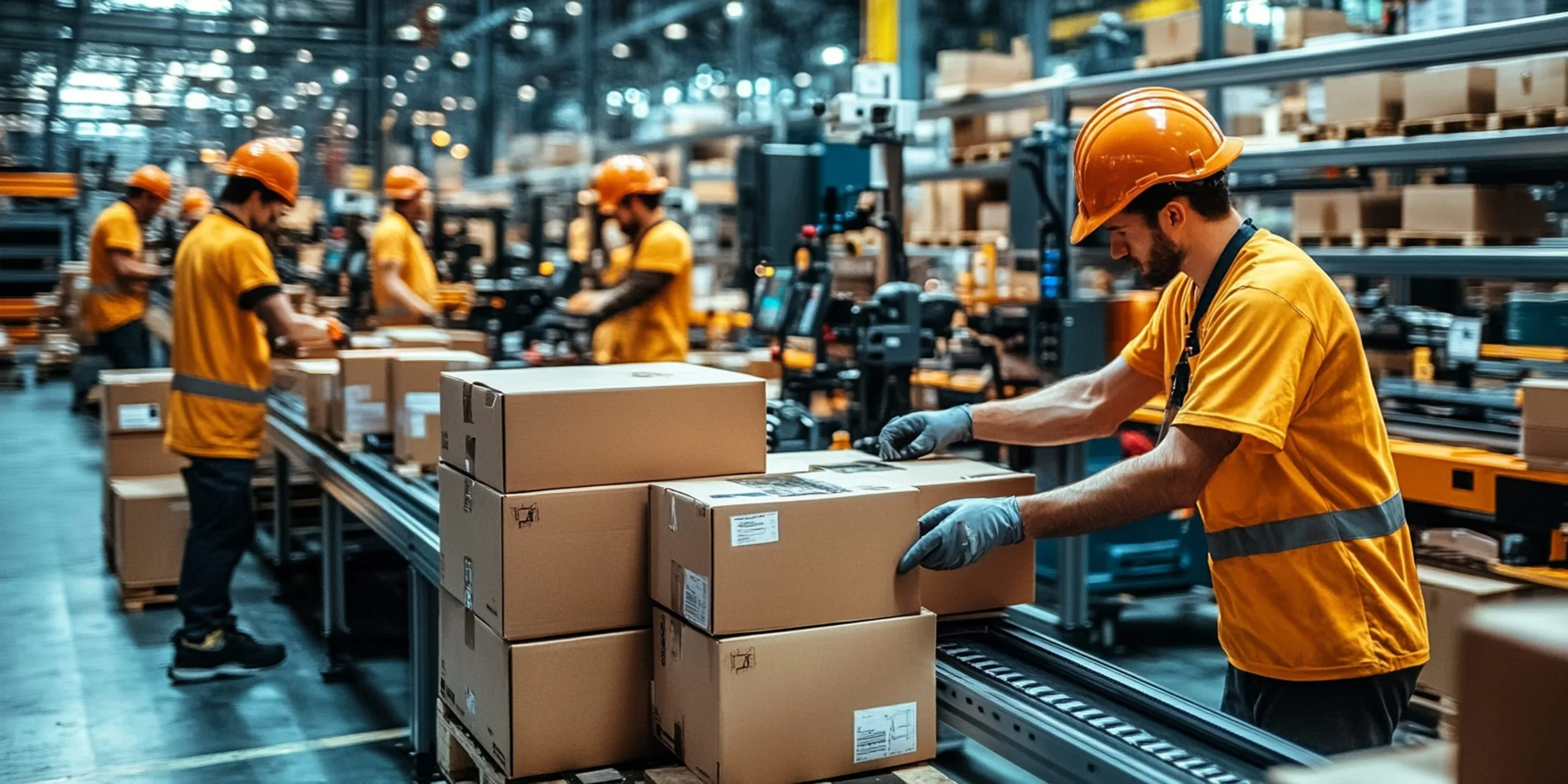
The Brazil third-party logistics (3PL) market has emerged as a key component of the nation’s supply chain ecosystem, integrating transportation, warehousing, freight forwarding and value‑added services. As domestic consumption, manufacturing activity and e‑commerce continue expanding, outsourcing logistics functions to specialized providers is becoming more common. Recent estimates place the market size above USD 30 billion, with projections indicating sustained growth throughout the next decade. This trend reflects Brazil’s broader economic evolution and the increasing complexity of distribution networks across sectors.
Key Drivers Shaping the Growth of Brazil’s 3PL Market
E‑commerce Expansion
The rapid rise of online retail in Brazil has been a fundamental driver of 3PL demand. With Brazil’s e‑commerce market valued at over USD 500 billion in 2025 and forecast to grow at more than a 12% CAGR through 2034, efficient order fulfilment, last mile delivery and returns processing have become critical for retailers. This trend compels businesses to partner with 3PL providers that can scale operations, integrate technology, and manage complex logistics flows.
Manufacturing and Industrial Growth
Brazil’s manufacturing sector, including automotive, electronics and consumer goods, increasingly relies on outsourced logistics to support just‑in‑time delivery and inventory optimization. Third‑party logistics providers offer multimodal transport, freight management, and warehouse services that help manufacturers reduce costs and improve supply chain responsiveness. This has been a significant contributor to overall 3PL uptake.
Digital Transformation and Technology Adoption
Adoption of digital tools such as transportation management systems (TMS), warehouse automation, IoT tracking, and predictive analytics is enhancing the capabilities of 3PL firms. These technologies improve visibility and operational efficiency, allowing providers to offer differentiated services that address real-time demand fluctuations and service level requirements.
Government Policies and Initiatives Boosting Brazil’s 3PL Sector
Public investment in Brazil’s transport infrastructure, including road, rail and port enhancements, supports logistics sector expansion. National logistics policies aimed at improving connectivity and reducing freight bottlenecks help create a more efficient environment for 3PL operations. Regulatory initiatives that streamline customs procedures and digital documentation further enable smoother cross border logistics services.
Competitive Dynamics and Key Players in Brazil’s 3PL Market
The Brazil 3PL sector comprises a mix of global and domestic players. International firms such as DHL Supply Chain, Maersk and CEVA Logistics operate alongside strong local providers like JSL and Petrus Transports, offering services spanning freight forwarding, distribution and specialized logistics. Competitive dynamics are shaped by service breadth, geographic coverage, and technological capability, with many providers investing in digital platforms to enhance performance.
Key Challenges Impacting the Growth of Brazil’s 3PL Market
Infrastructure and Bottlenecks
Despite investments, logistics infrastructure in Brazil still faces constraints, with persistent challenges in road and port capacity that can lead to delays and higher costs. Major export corridors, particularly in agricultural supply chains, experience congestion that affects 3PL efficiency and reliability.
Cost and Regulatory Complexity
Logistics costs in Brazil remain comparatively high, influenced by fuel prices, tax complexity and varied state regulations. Compliance with evolving freight and pricing rules adds an administrative burden for logistics operators and shippers. These factors increase operational overheads and can dampen competitiveness relative to other markets.
Future Outlook
Looking toward 2035, the Brazil 3PL market is expected to maintain positive momentum. Market size projections vary by source, with forecasts suggesting the sector could exceed USD 50 billion by the mid‑2030s at moderate to strong compound growth rates. Expansion will be driven by continued e‑commerce penetration, broader adoption of advanced logistics technologies and increasing demand for end-to-end supply chain solutions. Strategic focus on sustainability, cold‑chain services and regional distribution hubs may further shape the landscape, supporting more efficient and resilient supply chains.
Consultants at Nexdigm, in their latest publication “Brazil 3PL Market Outlook to 2035,” analyze the sector by System Type (Transportation Management Services, Warehousing and Distribution Services, Freight Forwarding Services, Integrated Logistics Services), By Platform Type (Road Transportation Logistics, Rail Freight Logistics, Air Cargo Logistics), and By Fitment Type (Dedicated Contract Logistics, Shared Warehousing Solutions, On-Demand Logistics Services). Nexdigm suggests that businesses should align their logistics strategies with evolving market trends and technological advancements to stay competitive. By leveraging digital transformation, automating processes, and enhancing operational efficiency, businesses can streamline their supply chains and improve customer satisfaction. Additionally, adopting sustainable practices and responding to shifting consumer behaviors are crucial for long-term growth. As the logistics landscape evolves, embracing innovation and adapting government policies and market dynamics will be key to sustaining success in the fast-growing 3PL market.
To take the next step, simply visit our Request a Consultation page and share your requirements with us.
Harsh Mittal
+91-8422857704