
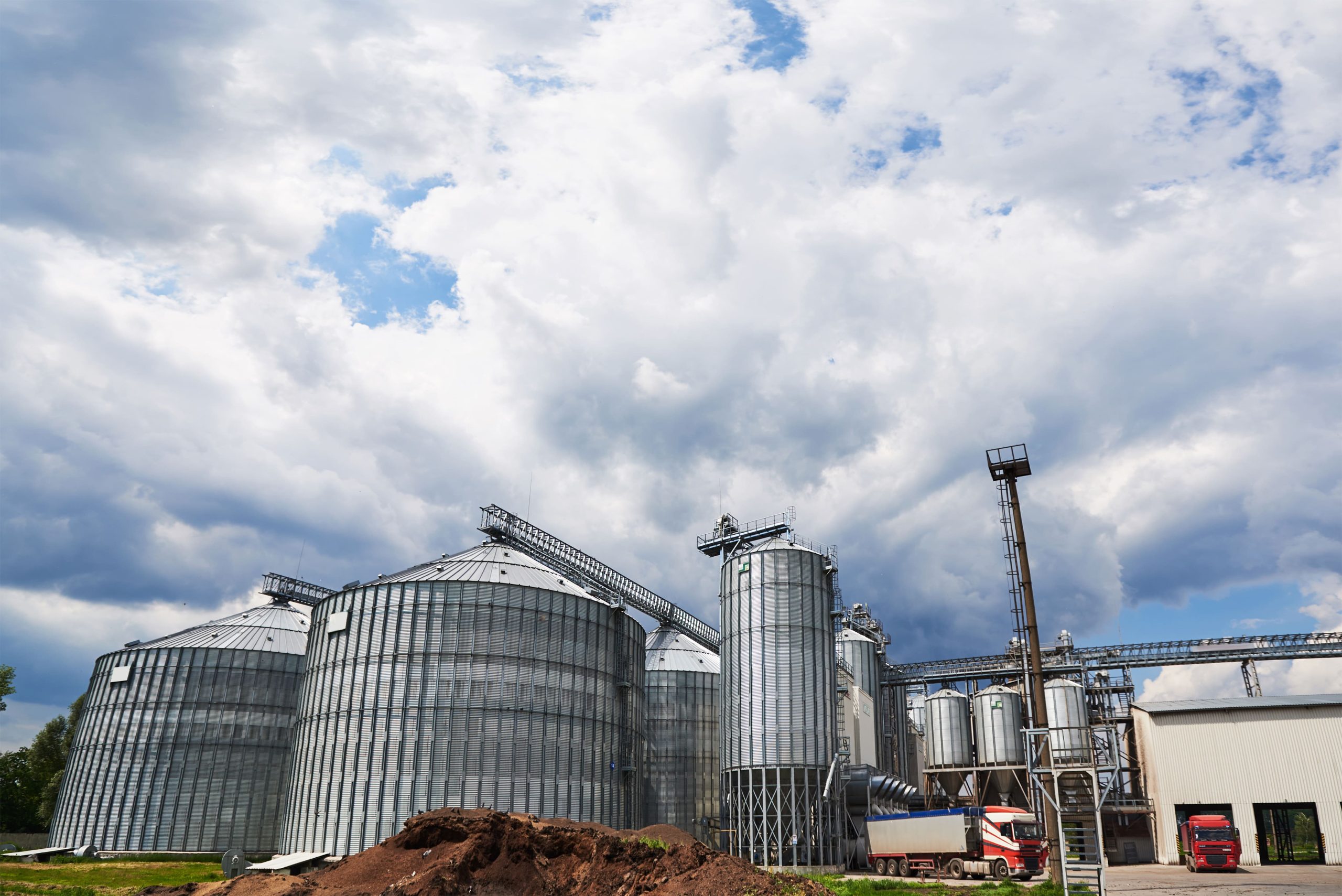
Brazil’s Advanced Biofuel Market is witnessing significant growth, supported by the country’s leadership in biofuel production, abundant agricultural resources, and long-standing renewable fuel policies. As one of the world’s largest biofuel producers, Brazil manufactures more than 35 billion liters of ethanol annually and remains a global leader in sugarcane-based fuel production. The country’s transportation sector consumes over 60 billion liters of gasoline and ethanol fuels annually, creating substantial opportunities for advanced biofuels derived from agricultural residues, sugarcane bagasse, municipal waste, and other non-food feedstocks. Growing decarbonization commitments and rising demand for sustainable transportation fuels are accelerating investments across the advanced biofuel value chain.
Key Market Drivers for Brazil’s Advanced Biofuel Market
RenovaBio Program and Decarbonization Targets Accelerate Biofuel Adoption
Brazil’s RenovaBio program remains one of the world’s most advanced fuel decarbonization frameworks, encouraging the production and use of low-carbon biofuels. The country’s large transportation sector and strong biofuel blending requirements continue to support demand for advanced ethanol, renewable diesel, sustainable aviation fuel (SAF), and bio-methane. Fuel distributors increasingly utilize decarbonization credits (CBIOs), creating incentives for investments in next-generation biofuel production technologies.
Abundant Agricultural Feedstock Resources Create Significant Opportunities
Brazil is one of the world’s largest agricultural producers, generating hundreds of millions of tonnes of biomass annually from sugarcane, corn, soybeans, forestry operations, and agricultural residues. The country harvests more than 600 million tonnes of sugarcane annually, creating vast quantities of bagasse and crop residues suitable for second-generation ethanol and advanced biofuel production. This strong feedstock availability provides a major competitive advantage for expanding low-carbon fuel production.
Sustainable Aviation Fuel and Renewable Diesel Demand Strengthen Market Growth
Growing demand from the aviation, logistics, heavy transportation, and industrial sectors is increasing interest in advanced renewable fuels. Airlines, fuel suppliers, and transportation operators are actively exploring SAF and renewable diesel solutions to meet carbon-reduction objectives. Brazil’s extensive biofuel ecosystem and feedstock availability position the country as a potential major supplier of advanced renewable fuels for domestic and export markets.
Government Initiatives Supporting Brazil’s Advanced Biofuel Market
Brazil continues to strengthen its global leadership in biofuels through the RenovaBio program, one of the world’s largest fuel decarbonization frameworks. The program uses CBIO (Decarbonization Credit) mechanisms to incentivize production and consumption of low-carbon fuels while supporting national emissions-reduction goals. Brazil produces more than 35 billion liters of ethanol annually and maintains one of the highest renewable energy shares globally, with renewables accounting for over 45% of the national energy matrix. In addition, mandatory ethanol blending levels of around 27% in gasoline (E27) and increasing investment in Sustainable Aviation Fuel (SAF), renewable diesel, and biogas projects continue to accelerate advanced biofuel deployment across transportation and industrial sectors.
Competitive Landscape of Brazil’s Advanced Biofuel Market
Brazil’s Advanced Biofuel Market is highly competitive, supported by a mature sugarcane industry harvesting more than 600 million tonnes annually and a transport fuel market consuming over 60 billion liters of gasoline and ethanol fuels each year. Competition is increasingly focused on second-generation ethanol, renewable diesel, bio-methane, SAF production, feedstock efficiency, and carbon-intensity reduction. Major companies including Raízen, BP Bunge Bioenergia, FS Bioenergia, São Martinho, Petrobras, and Atvos are expanding investments in advanced bio-refineries and renewable fuel technologies. Growing domestic demand, export opportunities, and RenovaBio incentives are encouraging producers to scale production capacity and adopt advanced conversion technologies to strengthen competitiveness in global low-carbon fuel markets.
Major Challenges Facing Brazil’s Advanced Biofuel Market
Feedstock Price Volatility and Climate Risks
Although Brazil possesses abundant biomass resources, agricultural output can be influenced by weather conditions, droughts, and commodity market fluctuations. Feedstock availability and pricing remain important considerations for producers.
Commercialization of Advanced Conversion Technologies
Scaling second-generation ethanol, SAF, and advanced waste-to-fuel technologies requires significant capital investment and technical expertise. Maintaining economic competitiveness while expanding production capacity remains a key challenge for industry participants.
Future Outlook
Brazil’s Advanced Biofuel Market is expected to witness strong growth through 2035, supported by annual ethanol production exceeding 35 billion liters, sugarcane harvests surpassing 600 million tonnes, and increasing demand for low-carbon transportation fuels. Growing investments in second-generation ethanol, Sustainable Aviation Fuel, renewable diesel, and bio-methane are expected to strengthen the market’s growth trajectory. Additionally, expanding global demand for sustainable fuels and Brazil’s well-established agricultural supply chains will create significant export opportunities. Companies investing in advanced conversion technologies, feedstock diversification, and integrated bio-refinery platforms will be well-positioned to capitalize on Brazil’s expanding renewable fuel ecosystem.
Consultants at Nexdigm, in their latest publication “Brazil Advanced Biofuel Market Outlook to 2035,” analyse the sector By Biofuel Product Type (Sugarcane Straw/Bagasse, Corn Stover and Eucalyptus Forestry Residues), By Feedstock Origin (Agricultural Residues and Energy Crops) and By Technological Maturity (First Generation Enhanced, Advanced Biochemical Conversion and Advanced Thermochemical Conversion).
Nexdigm suggests that businesses in Brazil’s Advanced Biofuel Industry prioritize second-generation ethanol, Sustainable Aviation Fuel (SAF), renewable diesel, and bio-methane production technologies to capitalize on the country’s 35 billion+ liter ethanol industry, 600 million+ tonne sugarcane harvest, RenovaBio incentives, and growing domestic and international demand for sustainable low-carbon fuel solutions.
To take the next step, simply visit our Request a Consultation page and share your requirements with us.
Harsh Mittal
+91-8422857704