
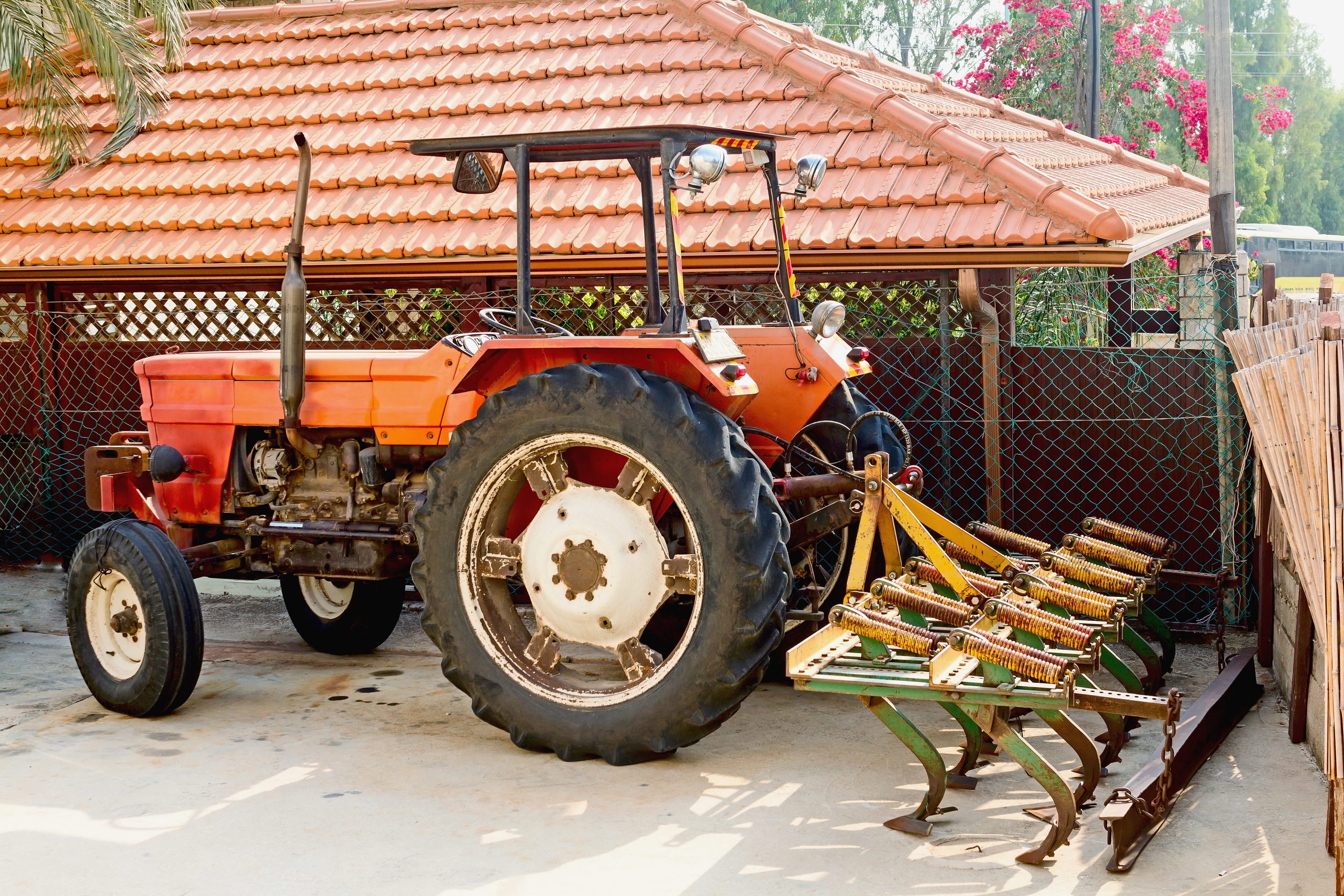
The Brazil agricultural equipment market is entering a new phase of modernization as the country strengthens its position as a global agricultural powerhouse. As of 2026, Brazil remains one of the world’s largest producers of soybeans, corn, sugarcane, and coffee, with agribusiness contributing nearly a quarter of its GDP. Large-scale commercial farming, rising export demand, and increasing adoption of precision agriculture technologies are reshaping equipment requirements across the country. While Brazil has a relatively strong domestic manufacturing base, imports of high-tech components and advanced machinery continue to play a crucial role. Through 2035, the market is expected to witness steady expansion, driven by mechanization in mid-sized farms, replacement demand, and integration of smart farming solutions.
What’s Driving the Agricultural Equipment Market in Brazil?
Expansion of Commercial Farming and Export Demand
Brazil’s agricultural sector continues to expand, supported by strong global demand for grains and oilseeds. Regions such as Mato Grosso and Paraná have seen consistent growth in cultivated acreage, leading to higher demand for tractors, harvesters, and sprayers. Large farms are investing in high-horsepower tractors and combine harvesters to improve operational efficiency and reduce harvesting time. Export-oriented production, particularly for soybeans and corn, is encouraging farmers to adopt modern machinery to maintain productivity and global competitiveness.
Rising Adoption of Precision Agriculture
Digitalization is transforming Brazilian farms. GPS-enabled tractors, automated steering systems, and variable-rate technology are becoming increasingly common among large and mid-sized producers. Farmers are leveraging data analytics to optimize fertilizer application, irrigation, and crop monitoring. This shift toward precision agriculture is boosting demand for technologically advanced equipment integrated with telematics and IoT-based monitoring systems. Over the next decade, smart machinery is expected to move beyond large agribusinesses and gain traction among medium-scale farms.
Mechanization in Mid-Sized and Family Farms
While Brazil already has a high level of mechanization in large-scale farming, mid-sized and family-operated farms are gradually upgrading from manual and semi-mechanized operations. Access to rural credit programs and equipment financing is enabling farmers to invest in compact and mid-range tractors. This transition is expanding the addressable market beyond traditional agribusiness giants and contributing to consistent equipment sales growth.
Government-Led Initiatives Supporting Farm Modernization
The Brazilian government continues to promote agricultural productivity through subsidized rural credit and modernization programs. Initiatives under the Safra Plan provide low-interest financing for machinery purchases, irrigation systems, and storage infrastructure. Incentives for sustainable farming and low-carbon agriculture are also encouraging farmers to adopt fuel-efficient tractors and precision spraying systems. Additionally, environmental compliance requirements are pushing farms to invest in modern equipment that minimizes soil degradation and optimizes resource use. These policies are expected to sustain equipment demand through 2035.
Market Competition and Manufacturing Landscape
The Brazil agricultural equipment market is moderately consolidated, with global and domestic players competing across product categories. Key companies include John Deere, AGCO Corporation (owner of Massey Ferguson and Valtra brands), CNH Industrial (manufacturer of New Holland Agriculture and Case IH), and Mahindra & Mahindra. Several multinational manufacturers operate local production facilities in Brazil to cater to domestic demand and export to neighboring Latin American countries. Localization of manufacturing helps mitigate currency volatility risks and reduce import dependency for fully assembled units. However, advanced components such as precision sensors, semiconductors, and high-end automation systems are still largely imported, exposing manufacturers to global supply chain disruptions.
Volatility in Commodity Prices
Agricultural equipment demand in Brazil remains highly sensitive to fluctuations in global commodity prices, particularly soybeans and corn, which account for a major share of farm revenues. When international prices are strong, farmers experience improved cash flows and are more inclined to invest in new tractors, harvesters, and precision farming technologies. However, during price downturns, profitability weakens, prompting producers to postpone capital expenditure and extend machinery replacement cycles. This cyclical pattern directly impacts equipment sales volumes and overall market growth.
Future Outlook
The Brazil agricultural equipment market is projected to grow steadily through 2035, supported by export-driven agricultural expansion, digital transformation, and continued mechanization of mid-sized farms. By 2035, precision agriculture technologies are expected to become mainstream, with autonomous and semi-autonomous machinery gaining wider acceptance. Sustainability considerations, including low-carbon farming practices and fuel-efficient engines, will shape equipment innovation and purchasing decisions. Brazil is not only expected to strengthen its domestic manufacturing ecosystem but also reinforce its position as a regional export hub for agricultural machinery in Latin America. As farms become increasingly data-driven and efficiency-focused, the demand for technologically advanced, durable, and cost-effective equipment will define the next decade of growth in the Brazilian agricultural machinery landscape.
Consultants at Nexdigm, in their latest publication “Brazil Agricultural Equipment Market Outlook to 2035,” analyzed the market by Product Type (Tractors, Harvesters, Planting Equipment, Sprayers), By Horsepower (Below 50 HP, 50–100 HP, Above 100 HP), By Application (Crop Cultivation, Plantation Farming, Horticulture), and By Sales Channel (Direct Sales, Dealers & Distributors, Online Platforms). Nexdigm believes that businesses should prioritize localization of advanced components, expand precision farming solutions, and strengthen after-sales service networks to capitalize on Brazil’s long-term agricultural growth trajectory.
To take the next step, simply visit our Request a Consultation page and share your requirements with us.
Harsh Mittal
+91-8422857704