
The Brazil agricultural hydraulic systems market is poised for steady growth as mechanization and precision farming reshape the country’s vast agricultural landscape. As of 2026, Brazil remains one of the world’s largest producers of soybeans, corn, sugarcane, and coffee, with large-scale commercial farms driving demand for advanced agricultural machinery. Hydraulic systems form the backbone of modern tractors, harvesters, sprayers, and irrigation equipment, enabling efficient lifting, steering, braking, and implement control. With increasing farm sizes, rising export competitiveness, and the integration of smart farming technologies, demand for durable and high-performance hydraulic components is expected to accelerate through 2035.
What’s Driving the Agricultural Hydraulic Systems Market in Brazil?
Expansion of Commercial Farming and Export-Oriented Production
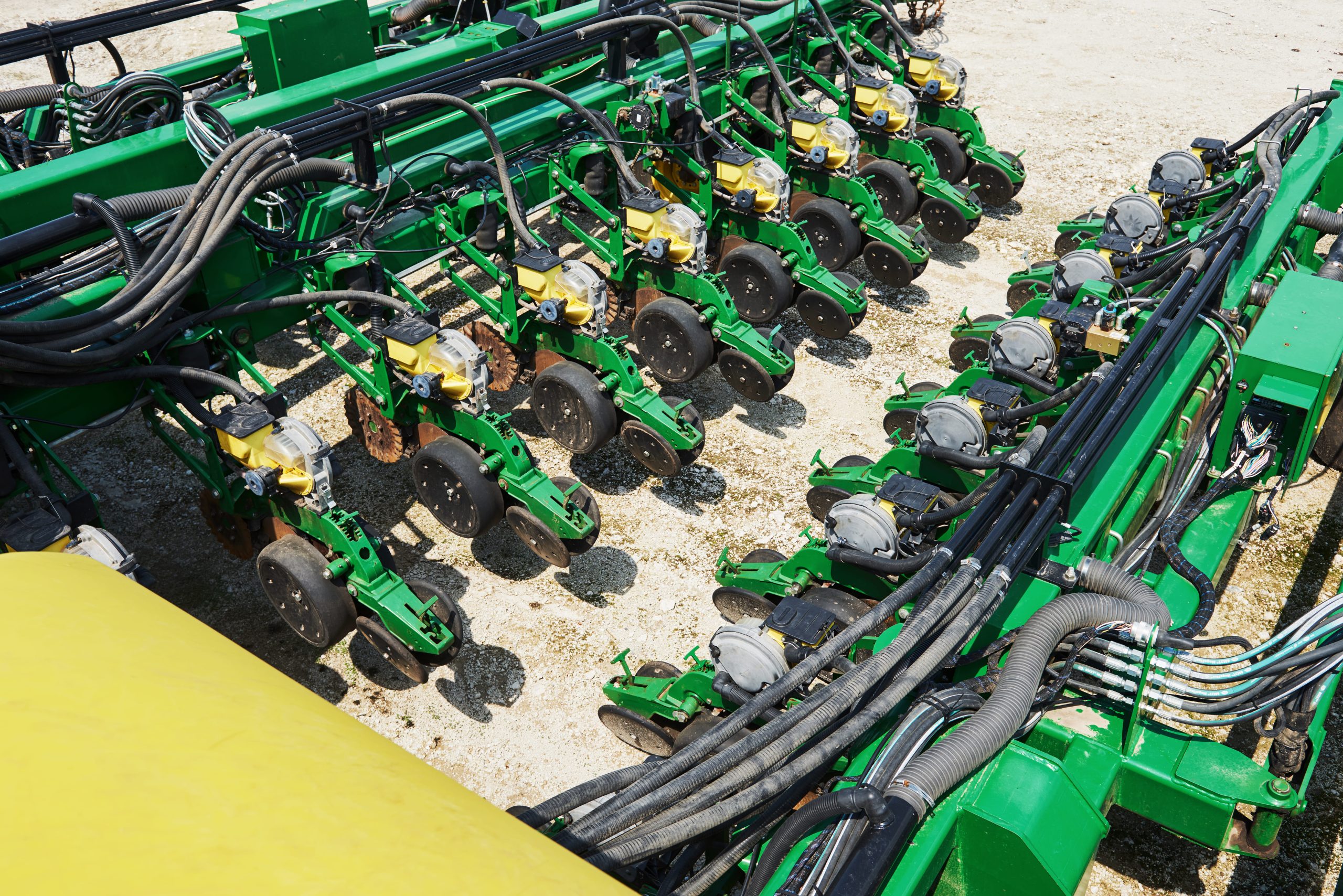
Brazil’s agribusiness sector continues to expand, particularly in states such as Mato Grosso, Paraná, and Rio Grande do Sul. Large commercial farms require high-horsepower tractors and combine harvesters equipped with advanced hydraulic circuits to manage multiple implements simultaneously. The push to increase crop productivity per hectare is driving adoption of precision seeders, planters, and sprayers, all of which rely heavily on hydraulic pumps, valves, cylinders, and hoses. As export volumes rise, farmers are investing in reliable hydraulic systems to minimize downtime during critical planting and harvesting seasons.
Rising Mechanization and Precision Agriculture Adoption
The shift toward GPS-enabled machinery and variable-rate technology is increasing the complexity of hydraulic architectures in farm equipment. Modern implements require electro-hydraulic controls for accurate depth adjustment, boom control in sprayers, and automated steering systems. This integration of electronics with hydraulics is enhancing efficiency and reducing input waste. Medium-sized farms, particularly in emerging agricultural frontiers, are upgrading from basic mechanical systems to advanced hydraulic-driven machinery to remain competitive.
Strong Presence of Global OEMs and Aftermarket Demand
Brazil’s agricultural machinery ecosystem is supported by global manufacturers such as John Deere, AGCO Corporation, CNH Industrial, and Kubota Corporation. These companies assemble or manufacture equipment locally, creating sustained demand for hydraulic components. Additionally, the aftermarket segment is expanding as aging fleets require replacement of seals, pumps, hoses, and cylinders. Given the heavy-duty usage conditions in Brazil’s tropical and semi-arid regions, maintenance cycles are frequent, supporting recurring revenue streams for hydraulic component suppliers.
Government-Led Policies Supporting Farm Modernization
The Brazilian government has historically supported farm mechanization through subsidized rural credit programs such as the Plano Safra initiative. Low-interest financing for machinery purchases is enabling farmers to upgrade to technologically advanced equipment. In addition, sustainability-focused policies aimed at improving water-use efficiency and reducing soil degradation are encouraging adoption of precision irrigation and conservation tillage equipment—both dependent on efficient hydraulic systems. These initiatives are expected to sustain capital expenditure in farm equipment over the next decade.
Market Competition and Supply Chain Landscape
The Brazil agricultural hydraulic systems market is moderately consolidated, with a mix of multinational component manufacturers and domestic suppliers. Global hydraulic specialists such as Bosch Rexroth AG, Parker Hannifin Corporation, and Eaton Corporation maintain strong distribution networks across Brazil. Local manufacturers provide cost-competitive alternatives, particularly in replacement parts for small and mid-sized farms. Partnerships between OEMs and hydraulic component suppliers are becoming increasingly strategic, focusing on durability, energy efficiency, and compatibility with precision farming software. Over time, localized production of hydraulic assemblies is expected to reduce import dependency and lead times.
Exposure to Commodity Price Volatility
Brazil’s agricultural equipment demand remains highly sensitive to global commodity price movements. Fluctuations in soybean, corn, and sugar prices directly affect farm profitability, cash flows, and capital expenditure decisions. When international prices decline, farmers often delay machinery upgrades or expansion plans to preserve liquidity. This cyclical investment behavior impacts demand for new harvesters and related components, including original hydraulic systems. Sustained price volatility can therefore create short-term demand fluctuations despite Brazil’s strong long-term agricultural production fundamentals.
Future Outlook
The Brazil agricultural hydraulic systems market is projected to witness stable growth through 2035, driven by rising farm consolidation, technology adoption, and sustainability requirements. By 2035, electro-hydraulic systems integrated with AI-based farm management platforms are expected to become standard in high-horsepower equipment. Demand for energy-efficient hydraulic pumps and smart load-sensing systems will rise as farmers prioritize fuel savings and operational optimization. Furthermore, expansion into biofuel crops and climate-resilient farming practices will require adaptable and high-performance machinery, further boosting hydraulic system integration. Brazil is expected not only to strengthen its position as a global agricultural powerhouse but also to enhance its domestic component manufacturing ecosystem to support long-term mechanization goals.
Consultants at Nexdigm, in their latest publication “Brazil Agricultural Hydraulic Systems Market Outlook to 2035,” analyzed the market by Component (Pumps, Valves, Cylinders, Hoses & Fittings), By Application (Tractors, Harvesters, Sprayers, Irrigation Equipment), and By End User (Large Commercial Farms, Medium Farms, Agricultural Cooperatives). Nexdigm believes that businesses should prioritize localization of high-precision components, invest in electro-hydraulic innovation, and strengthen aftermarket service networks to capitalize on Brazil’s evolving agricultural mechanization landscape through 2035.
To take the next step, simply visit our Request a Consultation page and share your requirements with us.
Harsh Mittal
+91-8422857704