
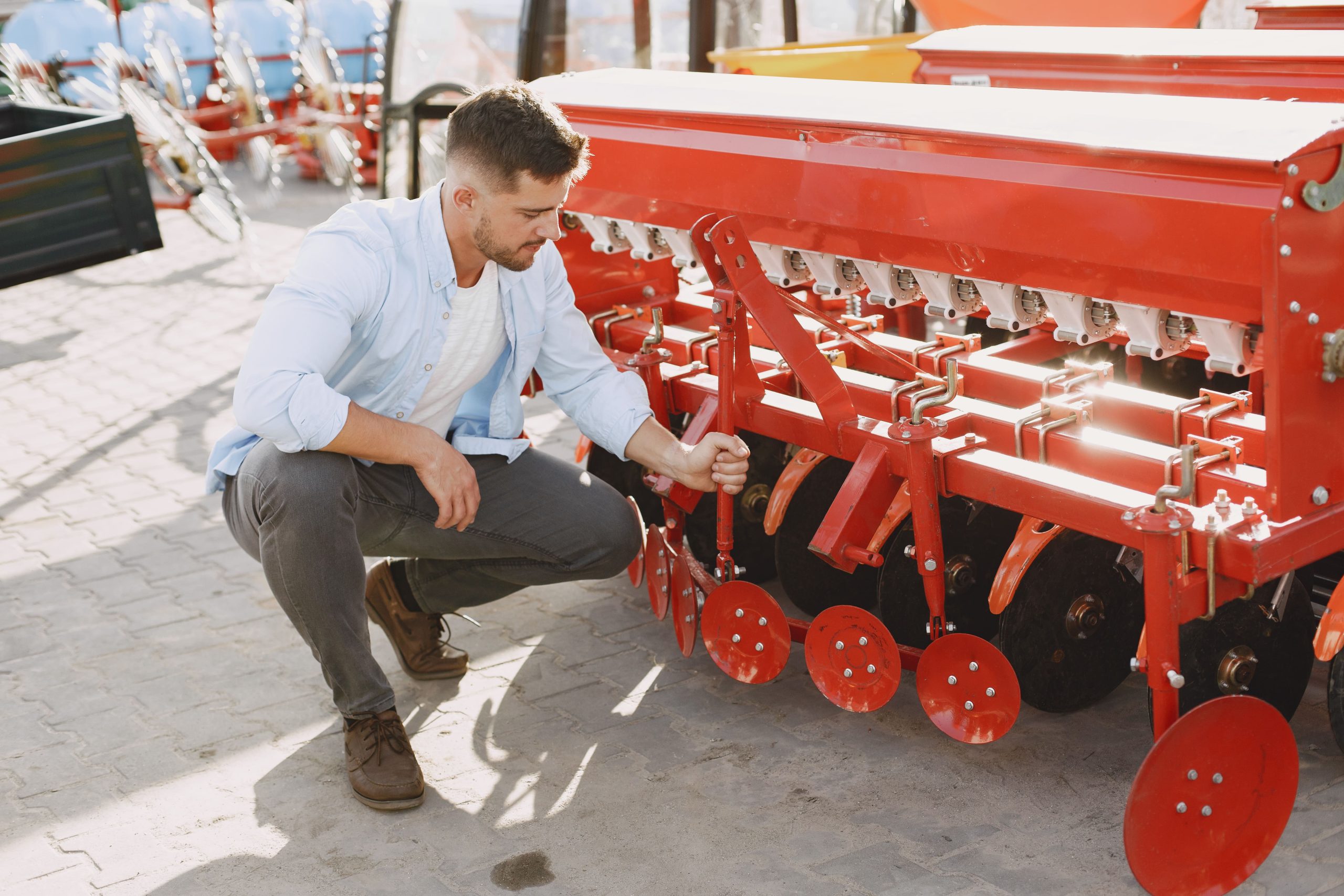
Brazil agricultural tractor market is entering a new growth phase as the country strengthens its position as one of the world’s largest agricultural producers. As of 2026, Brazil remains a global leader in soybean, corn, sugarcane, coffee, and beef exports, driving consistent demand for farm mechanization. Large-scale commercial farming, particularly in the Midwest region, continues to dominate agricultural output. However, rising mechanization among medium-sized farms and increased adoption of precision agriculture technologies are reshaping equipment demand patterns. While domestic manufacturing is well established, supported by global OEM production facilities in Brazil, imports of high-horsepower and advanced technology tractors still complement local supply. The market is poised for steady expansion through 2035, backed by export-oriented agriculture and technology integration.
What’s Driving the Agricultural Tractor Market in Brazil?
Expansion of Commercial Farming in the Midwest
The agricultural frontier in states such as Mato Grosso, Goiás, and Mato Grosso do Sul continues to expand, supported by strong global demand for soybeans and corn. Brazil’s large-scale farms require high-horsepower tractors for plowing, planting, and harvesting activities across vast landholdings. The increasing consolidation of farmland and the rise of agribusiness groups are fueling demand for technologically advanced tractors capable of handling intensive farming operations efficiently.
Rising Adoption of Precision Agriculture
Brazilian farmers are increasingly adopting GPS-enabled tractors, telematics systems, and data-driven farm management solutions. Precision agriculture tools help optimize fuel consumption, reduce input wastage, and enhance yield productivity. Integration of auto-steering systems and smart implements is particularly prominent among export-oriented farms seeking operational efficiency and cost optimization. This technological shift is pushing demand toward mid- and high-horsepower tractors equipped with advanced electronics and connectivity features.
Growth in Sugarcane and Biofuel Production
Brazil remains a global leader in sugarcane production, which directly supports its ethanol industry. Mechanized harvesting and field preparation in sugarcane cultivation require durable and powerful tractors. As Brazil continues to expand its biofuel blending targets and promote renewable energy, mechanization in sugarcane-producing states such as São Paulo and Paraná is expected to remain a strong demand driver for tractors through 2035.
Government-Led Initiatives Supporting Mechanization
The Brazilian government has historically supported farm mechanization through subsidized rural credit programs such as the Plano Safra. These financing schemes provide affordable credit lines for farmers to purchase agricultural machinery and equipment. In 2025–26, credit allocations for agribusiness modernization were expanded, enabling small and medium farmers to upgrade aging fleets. Additionally, sustainability-focused policies encouraging low-carbon agriculture are promoting investment in fuel-efficient and precision-enabled tractors. Government-backed rural financing continues to play a critical role in stabilizing tractor demand despite commodity price fluctuations.
Market Competition and Manufacturing Landscape
Brazil agricultural tractor market is moderately consolidated, with strong participation from global and domestic manufacturers. Key players include John Deere, AGCO Corporation (owner of Massey Ferguson and Valtra brands), CNH Industrial (parent company of New Holland Agriculture and Case IH), and Kubota Corporation. Many of these companies operate manufacturing plants within Brazil, reducing dependency on fully built imports and strengthening local supply chains. Domestic production capacity enables Brazil to serve not only internal demand but also neighboring Latin American markets. Competition is largely based on horsepower range, financing support, after-sales service networks, and integration of digital farming technologies. Manufacturers are increasingly offering bundled solutions that combine tractors, implements, telematics, and farm management software to enhance customer retention.
Commodity Price Volatility and Climate Risks
Brazil’s agricultural sector remains highly exposed to global commodity price cycles and climate variability. Fluctuations in soybean and corn prices directly influence farm incomes, affecting capital expenditure on machinery and hydraulic systems. When prices decline, farmers often postpone equipment upgrades and replacement decisions. Additionally, recurring droughts in southern regions and unpredictable rainfall patterns increase production uncertainty. These climate-related risks, combined with market volatility, can temporarily slow tractor and machinery investments, particularly among small and medium-sized farming operations.
Future Outlook
Brazil agricultural tractor market is expected to witness stable growth through 2035, supported by export-driven agriculture, biofuel expansion, and rising mechanization rates among mid-sized farms. Demand for tractors above 100 HP is projected to remain strong in large commercial farms, while compact and utility tractors will gain traction among diversified and family-owned farms. Technological integration will become a key differentiator, with autonomous-ready systems, AI-based diagnostics, and real-time fleet management solutions gradually entering mainstream adoption. By 2035, a significant share of newly sold tractors in Brazil is expected to feature precision farming capabilities as standard offerings rather than premium add-ons.
Consultants at Nexdigm, in their latest publication “Brazil Agricultural Tractor Market Outlook to 2035,” analyzed the market by Horsepower (Below 50 HP, 50–100 HP, Above 100 HP), By Drive Type (2WD and 4WD), By Application (Row Crop Farming, Sugarcane, Horticulture, Others), and By Region (Midwest, South, Southeast, Northeast, North). Nexdigm believes that businesses should prioritize high-horsepower and precision-enabled tractors for commercial agribusinesses while expanding financing solutions and dealer networks to capture growth in Brazil’s evolving mechanized farming landscape.
To take the next step, simply visit our Request a Consultation page and share your requirements with us.
Harsh Mittal
+91-8422857704