
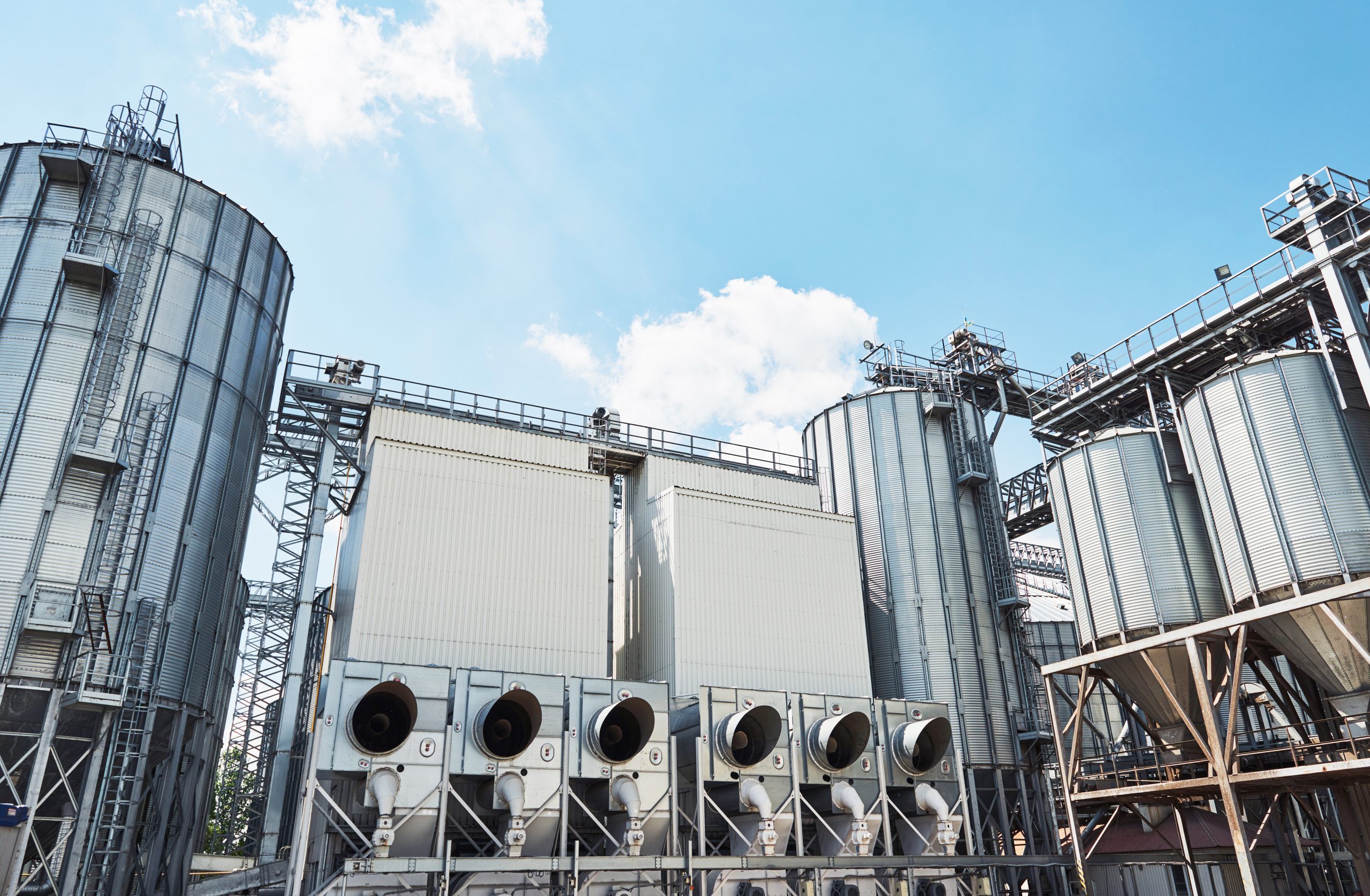
Brazil’s industrial sector continues to evolve, creating strong demand for industrial gases such as oxygen, nitrogen, and argon. These gases are essential for steel manufacturing, healthcare facilities, chemical production, mining operations, and food processing industries. Air Separation Units (ASUs), which extract these gases from atmospheric air, play a vital role in supporting industrial productivity. As Brazil strengthens its position as one of Latin America’s largest manufacturing economies, investments in industrial infrastructure and energy-intensive projects are increasing. This trend is creating new opportunities for ASU providers while encouraging modernization and efficiency improvements across the country’s industrial ecosystem.
Market Drivers Advancing the Brazil Air Separation Unit Industry
Rising Steel and Metals Production Driving Oxygen Demand
Brazil remains one of the world’s significant steel-producing nations, with crude steel production exceeding 30 million tons annually. Steel plants consume large volumes of oxygen to improve furnace efficiency, reduce fuel consumption, and enhance production quality. As steel manufacturers expand capacity and adopt cleaner production technologies, demand for high-capacity ASUs continues to grow. The increasing focus on efficient and sustainable metallurgy is encouraging investments in advanced air separation technologies that can deliver reliable gas supplies while reducing operational costs.
Expanding Healthcare and Medical Oxygen Infrastructure
Healthcare has emerged as another important growth engine for the Brazil Air Separation Unit industry. Hospitals depend heavily on medical-grade oxygen for emergency care, surgeries, and respiratory treatments. The healthcare sector’s growing emphasis on preparedness and uninterrupted medical gas supply has encouraged investments in local oxygen production facilities. Large industrial gas companies are expanding production networks to strengthen supply chains, ensuring dependable oxygen availability across urban and remote regions alike.
Growth in Chemicals, Mining, and Food Processing Industries
Brazil’s robust mining sector, extensive chemical manufacturing base, and expanding food processing industry are creating additional demand for industrial gases. Nitrogen is widely used for inerting and preservation applications, while oxygen supports various chemical and mining operations. The country’s strong agricultural production also drives food processing activities that rely on nitrogen-based packaging solutions. As these industries expand, ASU installations are becoming increasingly important for maintaining productivity and operational efficiency.
Government Initiatives Supporting Brazil Air Separation Unit Industry
The Brazilian government continues to support industrial modernization through infrastructure investments, manufacturing development programs, and energy efficiency initiatives. Public and private investments in steel manufacturing, mining projects, healthcare infrastructure, and industrial corridors are creating favorable conditions for industrial gas demand. Additionally, policies aimed at increasing domestic production and improving industrial competitiveness are encouraging companies to invest in advanced air separation technologies that enhance efficiency and sustainability.
Competitive Landscape of the Brazil Air Separation Unit Industry
The Brazil Air Separation Unit market is characterized by the presence of major global industrial gas companies alongside regional suppliers. Leading participants focus on long-term supply contracts, technological innovation, and strategic partnerships with steel, healthcare, and chemical manufacturers. Companies are increasingly investing in energy-efficient ASUs, digital monitoring systems, and onsite gas generation solutions to strengthen their market position and address evolving customer requirements.
Challenges Facing Brazil Air Separation Unit Industry
High Capital and Energy Requirements
ASUs require substantial upfront investment and consume significant amounts of electricity. Fluctuations in energy prices can impact operating costs and profitability, especially for large-scale facilities.
Infrastructure and Supply Chain Constraints
Industrial projects in remote mining and manufacturing regions may face logistical and infrastructure challenges. Ensuring reliable transportation, installation, and maintenance services across vast geographic areas remains a key challenge for market participants seeking nationwide expansion.
Future Outlook
The future of the Brazil Air Separation Unit market appears promising as industrial production, healthcare investments, mining activities, and infrastructure development continue to advance. Growing demand for oxygen in steelmaking, nitrogen in food processing, and industrial gases in chemical manufacturing will create sustained opportunities for ASU providers. Furthermore, increasing emphasis on operational efficiency, sustainability, and local production capabilities is expected to accelerate the adoption of advanced air separation technologies. Companies that prioritize energy-efficient solutions and strategic industry partnerships will be well positioned to capitalize on Brazil’s evolving industrial landscape.
Consultants at Nexdigm, in their latest publication “Brazil Air Separation Unit Market Outlook to 2035” analyze the sector By Plant Technology Type (Low Pressure Distillation, Medium Pressure Distillation and Multi-Stage Compression Systems), By Industry End-User (Food and Beverage Preservation, Oil and Gas Refining) and By Supply Business Model (On-Site Outsourced and Merchant Liquid Supply).
Nexdigm suggests that businesses in “Brazil Air Separation Unit Industry” focusses on oilfield, desalination, construction, and industrial applications, strengthen local warehousing, develop application-specific grades, improve technical support, and build resilient sourcing networks to serve expanding energy, water, and manufacturing demand.
To take the next step, simply visit our Request a Consultation page and share your requirements with us.
Harsh Mittal
+91-8422857704