
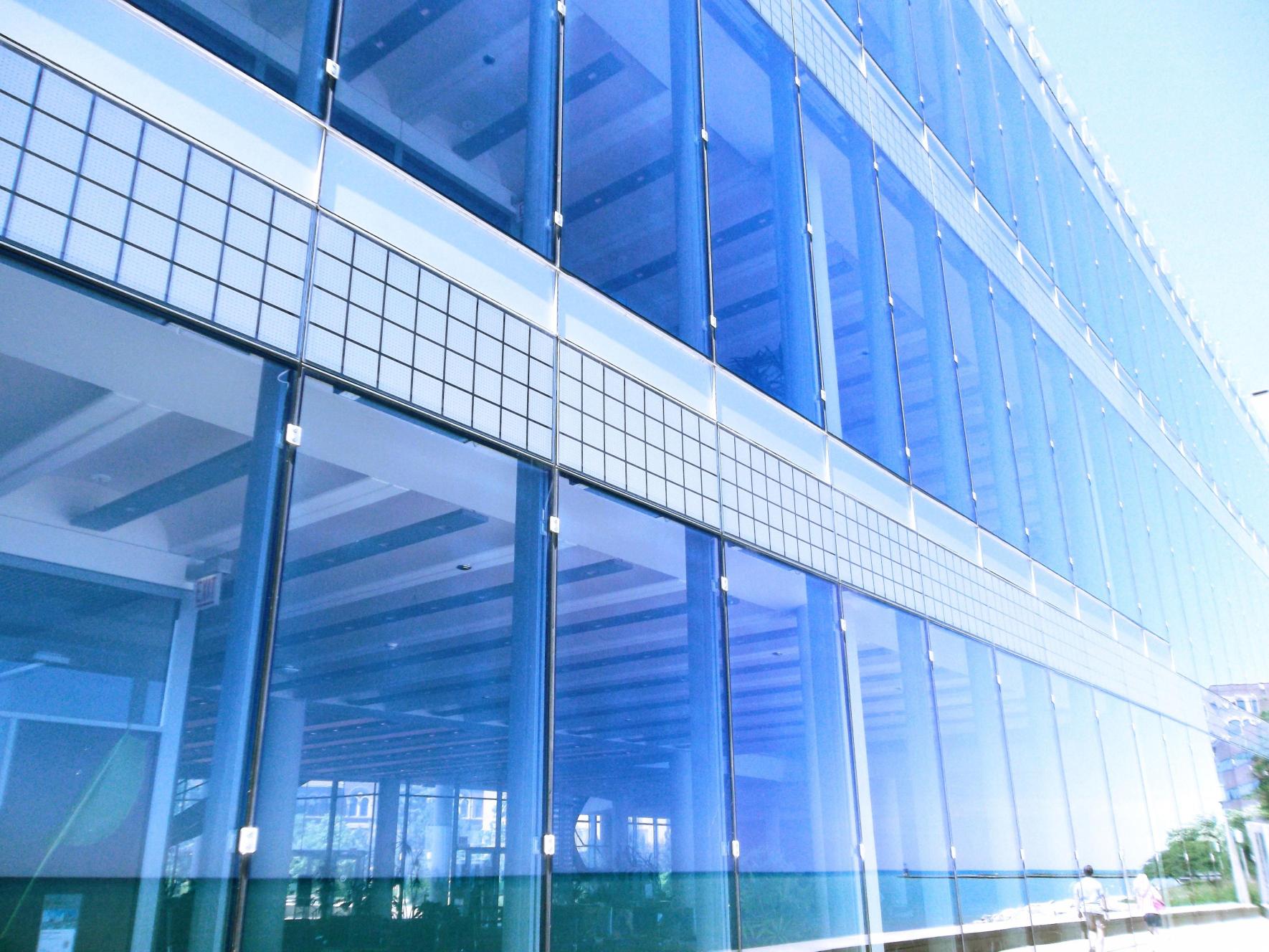
Brazil architectural and construction glass market is experiencing steady growth, supported by rising urbanization, increasing investments in residential and commercial infrastructure, and growing demand for energy-efficient buildings. The market is projected to reach approximately USD 4.16 billion by 2035, expanding at a CAGR of around 5.4%. Architectural glass is becoming an essential component in modern construction due to its aesthetic appeal, thermal insulation properties, and contribution to sustainable building practices. As developers increasingly prioritize high-performance building materials, demand for advanced glass products continues to strengthen across Brazil.
Market Drivers Advancing the Brazil Architectural and Construction Glass Growth
Growing Demand for Energy-Efficient Buildings
One of the primary growth drivers is the increasing adoption of energy-efficient construction practices. Developers are incorporating low-emissivity (Low-E), insulated, and solar-control glass solutions to reduce energy consumption in commercial towers, residential complexes, and mixed-use developments. These products improve indoor comfort while lowering cooling and heating costs, making them highly attractive for modern construction projects.
Expansion of Urban Infrastructure and High-Rise Development
Rapid urban expansion in major cities such as São Paulo and Curitiba has accelerated demand for architectural glass. Growing construction activity in office buildings, luxury apartments, shopping centers, and hospitality projects is driving the need for tempered, laminated, and acoustic glass products. High-rise developments particularly favor advanced glazing systems that enhance both safety and aesthetics while meeting evolving building standards.
Advancements in Domestic Manufacturing
Brazilian manufacturers are expanding production capabilities to meet increasing demand. Investments in advanced tempering, coating, and lamination technologies have improved product quality and reduced reliance on imported specialty glass. Local production growth allows manufacturers to offer cost-effective solutions while supporting faster project delivery timelines for construction companies.
Government Initiatives Supporting Brazil Architectural and Construction Glass Industry
The Brazilian government continues to support sustainable construction through energy-efficiency initiatives and environmental regulations that encourage green building practices. Regulatory standards established under NBR 7199 promote safer glass installation and usage across construction projects. Additionally, tax incentives for manufacturers utilizing recycled glass materials help reduce industrial carbon emissions and encourage environmentally responsible production processes throughout the country.
Competitive Landscape of Brazil Architectural and Construction Glass Sector
The market features a mix of established domestic manufacturers and international participants. Key companies such as Cebrace and AGC Vidros do Brasil maintain strong positions through diversified product portfolios and investments in advanced manufacturing technologies. Competition is increasingly focused on innovation, product performance, sustainability, and the development of specialized glazing solutions for modern commercial and residential applications.
Challenges Impacting Brazil Architectural and Construction Glass Industry
High Production and Raw Material Costs
Manufacturers face pressure from rising energy costs, transportation expenses, and fluctuations in raw material prices. These factors can impact profitability and increase product prices for end users.
Regulatory Compliance Requirements
Stringent safety and quality standards require continuous investments in production upgrades and certification processes. Smaller manufacturers may face challenges in meeting evolving technical requirements while maintaining competitive pricing.
Future Outlook
The future of Brazil’s architectural and construction glass market remains promising, supported by ongoing infrastructure modernization, urban development, and growing awareness of sustainable construction practices. Demand for high-performance glass products, including acoustic, insulated, and low-emissivity solutions, is expected to increase significantly. Technological advancements, expanding domestic manufacturing capabilities, and government-backed sustainability initiatives will further strengthen market growth. As green building adoption accelerates, architectural glass will play an increasingly important role in enhancing energy efficiency, safety, and design innovation across Brazil’s construction sector.
Consultants at Nexdigm, in their latest publication “Brazil Architectural and Construction Glass Market Outlook to 2035 ,” analyze the sector By Defining ABNT Compliance Parameters, Top-down Macroeconomic Correlation Modeling, Bottom-up Plant Output Aggregation, Primary Interviews With Glazing Architects, Supply Side Capacity Verification, Demand Side Construction Permit Analytics,).
Nexdigm suggests that businesses in the Brazil Architectural and Construction Glass Industry focus on energy-efficient glazing solutions, expand sustainable manufacturing capabilities, and align with evolving building standards. Growing demand for insulated and low-emissivity glass presents significant opportunities for innovation, differentiation, and long-term market growth.
To take the next step, simply visit our Request a Consultation page and share your requirements with us.
Harsh Mittal
+91-8422857704