
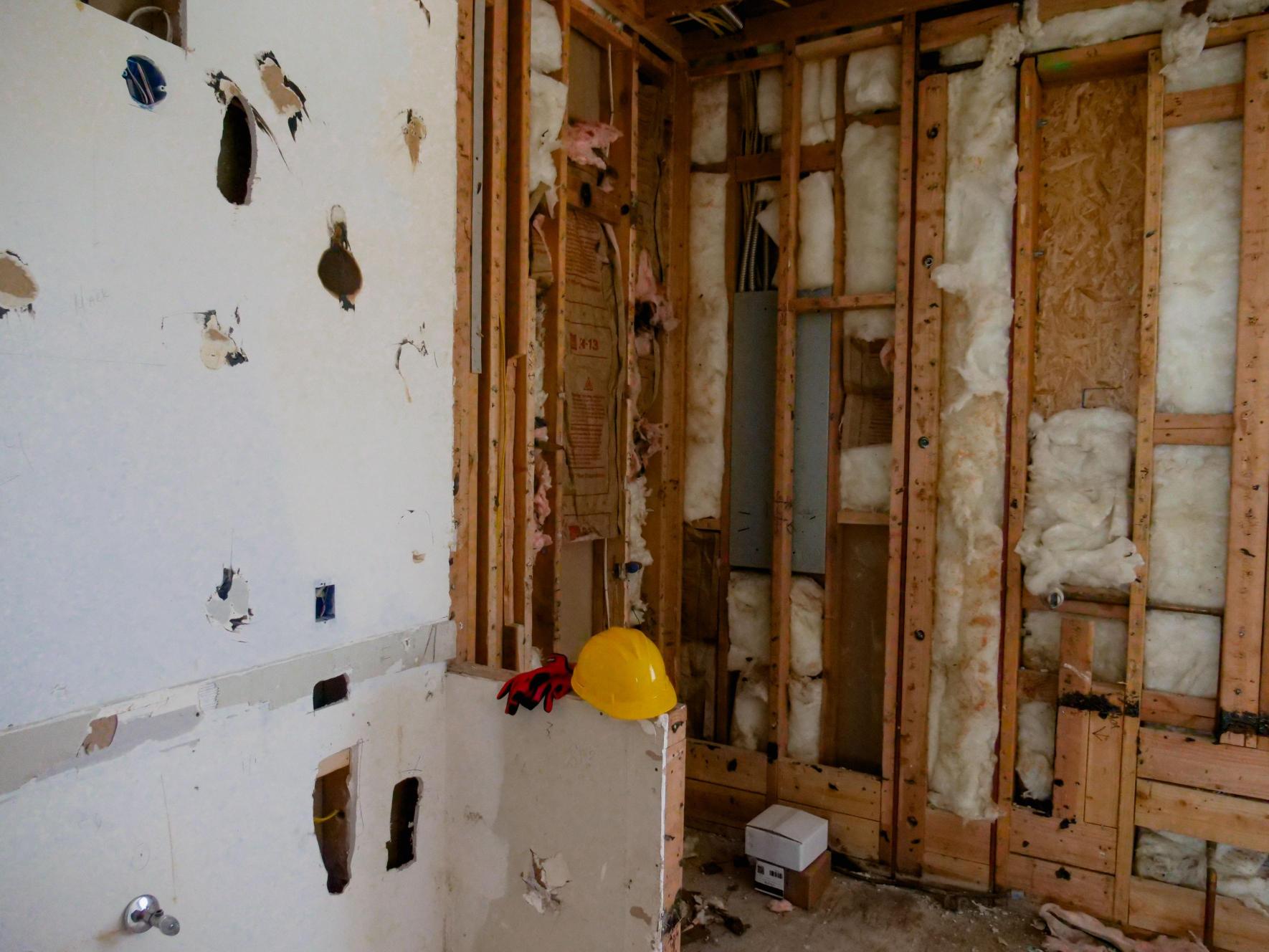
The Brazil building thermal insulation industry is expanding steadily as energy efficiency, climate resilience, and sustainable construction gain importance across the country. The industry is valued at approximately USD 1.42 billion and is projected to grow at a 5.4% CAGR, reaching nearly USD 2.41 billion by the end of the forecast period. Rising electricity costs, rapid urbanization, and increasing awareness of indoor thermal comfort are encouraging the adoption of advanced insulation solutions. Residential retrofitting projects and commercial construction developments are further supporting demand for high-performance materials such as glass wool, mineral wool, and expanded polystyrene insulation systems.
Market Drivers Advancing Brazil Building Thermal Insulation Growth
Growing Adoption of Residential Retrofitting Projects
Brazil is witnessing increased investment in residential renovation and retrofitting activities as homeowners seek to improve energy efficiency and indoor comfort. Thermal insulation systems help reduce dependence on cooling equipment, lowering electricity consumption and operating expenses. The adoption of glass wool and expanded polystyrene insulation solutions is growing rapidly across residential buildings, particularly in urban areas where energy costs continue to rise.
Urbanization and Commercial Infrastructure Expansion
Major cities such as São Paulo and Curitiba are experiencing significant growth in commercial real estate and infrastructure development. Increasing construction of office buildings, retail complexes, healthcare facilities, and educational institutions is driving demand for efficient thermal management solutions. Developers are increasingly incorporating insulation materials to improve building performance and comply with modern construction standards.
Increasing Preference for Sustainable Building Materials
Environmental sustainability is becoming a core focus within Brazil’s construction sector. Manufacturers are introducing insulation products containing recycled and low-carbon materials to meet evolving sustainability requirements. Growing awareness regarding green building practices is encouraging architects, contractors, and developers to utilize insulation systems that enhance energy efficiency while supporting environmental objectives.
Government Initiatives Supporting Brazil Building Thermal Insulation Sector
Government regulations and sustainability programs are strengthening industry growth. The updated NBR 15575 building performance standard establishes stricter thermal efficiency requirements for residential developments. In addition, environmental initiatives promoted by the Brazilian Ministry of the Environment encourage the use of sustainable construction materials and energy-efficient building practices. These policies are increasing demand for advanced insulation solutions across new construction and renovation projects.
Competitive Landscape of Brazil Building Thermal Insulation Industry
The industry features a combination of international manufacturers and regional suppliers competing through product innovation and localized production capabilities. Key participants include Saint-Gobain Isover, Knauf Insulation, Kingspan Group, Rockwool, and Owens Corning. Companies are expanding production facilities, integrating recycled materials into insulation products, and strengthening distribution networks to meet growing demand across Brazil’s construction sector.
Challenges Impacting Brazil Building Thermal Insulation Industry
High Initial Investment Requirements
Although insulation systems provide long-term energy savings, upfront installation costs can discourage adoption among budget-conscious consumers and developers. Cost considerations remain a significant barrier, particularly in smaller residential projects.
Logistics and Raw Material Constraints
Supply chain inefficiencies and transportation challenges across Brazil’s large geographic area can affect material availability and project timelines. Fluctuating raw material costs may also impact profitability and product pricing strategies.
Future Outlook
The future of the Brazil building thermal insulation industry remains positive as sustainable construction practices, energy-efficiency requirements, and urban development activities continue to expand. Greater adoption of residential retrofitting, green building certifications, and environmentally friendly insulation materials will support long-term industry growth. Manufacturers are expected to invest in innovative, high-performance products that improve thermal efficiency while reducing environmental impact. As regulatory standards become more stringent, thermal insulation solutions will play an increasingly important role in enhancing building performance and supporting sustainable development across Brazil’s construction sector.
Consultants at Nexdigm, in their latest publication “Brazil Building Thermal Insulation Market Outlook to 2035 ,” analyze the sector By (Brazil Construction GDP Correlation Analysis, Top-down Total Available Market Estimation, Bottom-up Installed Capacity Inventory, Federal Energy Efficiency Regulatory Review).
Nexdigm suggests that businesses in the Brazil Building Thermal Insulation Industry focus on energy-efficient and sustainable insulation solutions, capitalize on rising residential retrofitting activities, and align product offerings with evolving thermal performance standards and green building requirements to strengthen long-term growth prospects.
To take the next step, simply visit our Request a Consultation page and share your requirements with us.
Harsh Mittal
+91-8422857704