
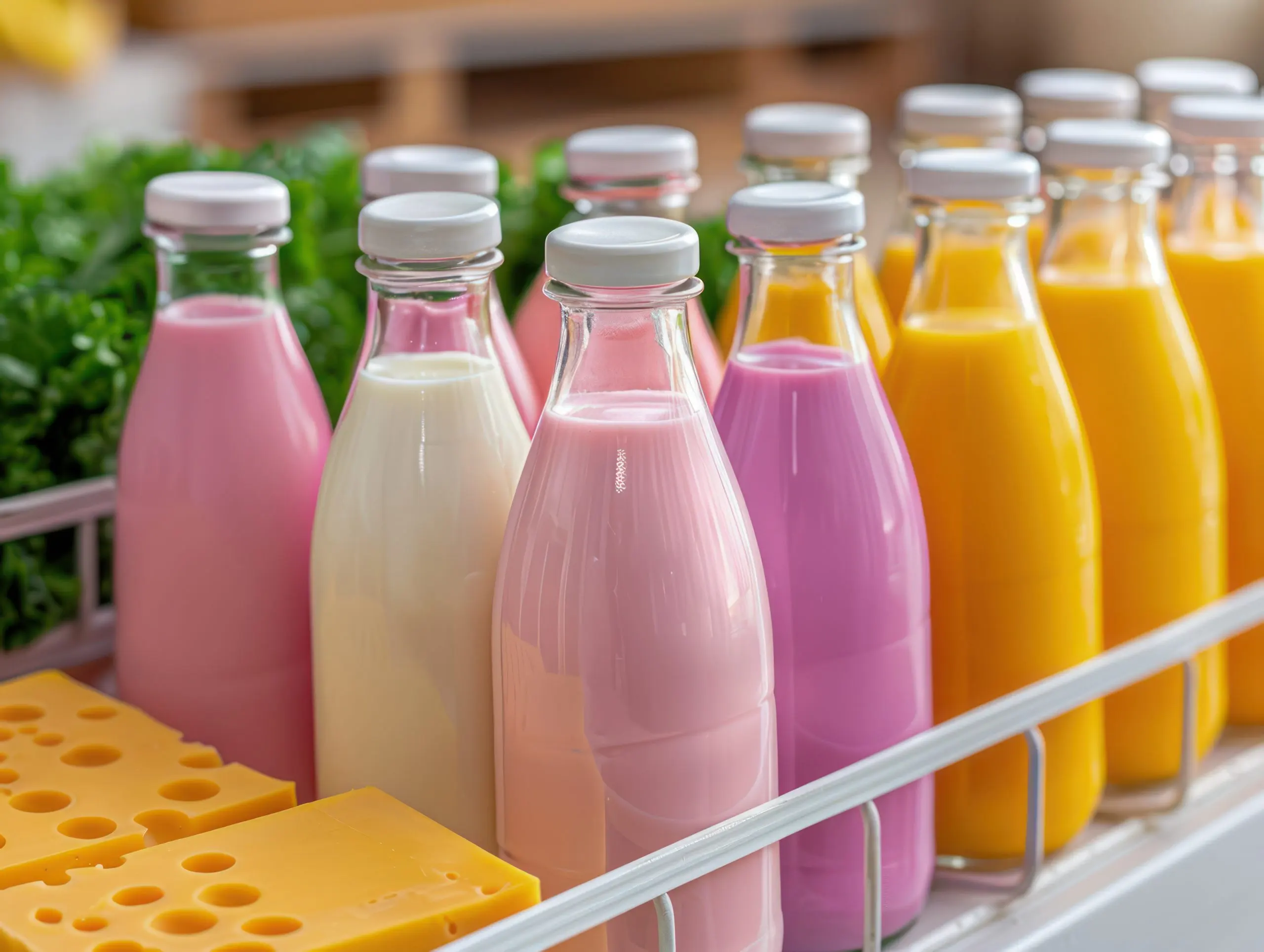
The Brazil dairy alternatives market is expanding as consumers increasingly seek plant-based, lactose-free, vegan, and flexitarian-friendly products across milk, yogurt, cheese, desserts, creamers, and ready-to-drink beverages. The market was valued at around USD 998.6 million and is projected to reach USD 2.95 billion, growing at a CAGR of 12.8%. Demand is being driven by health awareness, lactose intolerance, sustainability concerns, and wider retail availability. Dairy alternatives are gradually moving from niche health sections into mainstream supermarkets, cafés, and e-commerce channels across Brazil.
Key Drivers Accelerating the Brazil Dairy Alternatives Market
Rising Demand for Lactose-Free and Health-Focused Products
Brazil has a large consumer base seeking digestive-friendly and lactose-free food options, which is supporting demand for dairy alternatives. Consumers are increasingly choosing almond, soy, oat, coconut, rice, and cashew-based products as substitutes for traditional dairy. Many buyers are motivated by lactose intolerance, vegan preferences, weight management, cholesterol concerns, and interest in cleaner eating. Brands are also fortifying products with calcium, vitamins, and protein to improve nutritional value. This is helping dairy alternatives become more relevant for breakfast, coffee, cooking, smoothies, and snacking occasions.
Product Innovation Across Plant-Based Categories
Product innovation is helping expand the market beyond basic plant-based milk. Companies are introducing dairy-free yogurts, vegan cheese, plant-based desserts, coffee creamers, flavored beverages, and clean-label formulations. Improved taste, texture, and creaminess are important because consumers expect plant-based products to perform like dairy in daily use. Oat milk and almond milk are gaining traction among urban consumers, while soy remains a familiar and accessible option.
Retail and Foodservice Expansion
Supermarkets, health food stores, online platforms, cafés, and restaurants are expanding plant-based product availability. Wider shelf space, private-label launches, and foodservice adoption are helping dairy alternatives reach more mainstream consumers.
Government Support, Food Labelling and Sustainable Innovation
Government support is mainly linked to food safety, nutrition labelling, sustainable agriculture, and innovation in food processing. Brazil’s regulatory framework requires clear ingredient, allergen, and nutrition information, helping consumers compare dairy alternatives with conventional dairy products. Broader support for sustainable food systems, agribusiness innovation, and domestic ingredient development can indirectly benefit plant-based product manufacturing. Although traditional dairy remains strongly established, rising attention to health, sustainability, and alternative proteins is creating a more favorable environment for dairy alternative innovation.
Competitive Landscape of the Brazil Dairy Alternatives Market
The Brazil dairy alternatives market includes plant-based specialists, traditional dairy companies, food and beverage groups, private-label brands, and start-ups. Competition is shaped by taste, price, nutrition, clean-label claims, product variety, and retail access. Soy, oat, almond, coconut, and rice-based products compete across different consumer segments. Established brands benefit from distribution strength, while emerging players focus on vegan positioning and premium formulations. Companies that balance affordability with strong flavor and nutrition are better positioned to scale.
Key Challenges Impacting the Brazil Dairy Alternatives Market
Higher Prices and Affordability Concerns
Dairy alternatives often cost more than conventional dairy, especially in premium oat, almond, and specialty plant-based products. Price sensitivity can limit repeat purchases among mass-market consumers.
Taste and Nutrition Expectations
Some consumers remain hesitant due to concerns about taste, texture, protein levels, additives, and processing. Brands need to improve formulations while communicating clear nutritional benefits.
Future Outlook
The Brazil dairy alternatives market is expected to grow steadily as plant-based products become more accessible, affordable, and better aligned with everyday consumption habits. Future growth will likely come from oat milk, fortified plant-based beverages, dairy-free yogurts, vegan desserts, improved cheese alternatives, and clean-label creamers. Retail expansion, e-commerce, café adoption, and product localization will remain important demand drivers. As consumers seek health, sustainability, and convenience, brands that deliver strong taste, competitive pricing, and nutritional value are likely to capture the strongest opportunities.
Consultants at Nexdigm, in their latest publication “Brazil dairy alternatives market Outlook to 2035,” analyze the sector By Product Type (Shelf Presence, SKU Penetration, Household Adoption Rate), By Source Type (Protein Content, Processing Efficiency, Nutritional Profile)
Nexdigm suggests that businesses should prioritize localized plant-based formulations, affordable pricing, stronger nutrition claims, and wider retail and foodservice partnerships to capture growth in Brazil’s dairy alternatives market.
To take the next step, simply visit our Request a Consultation page and share your requirements with us.
Harsh Mittal
+91-8422857704