
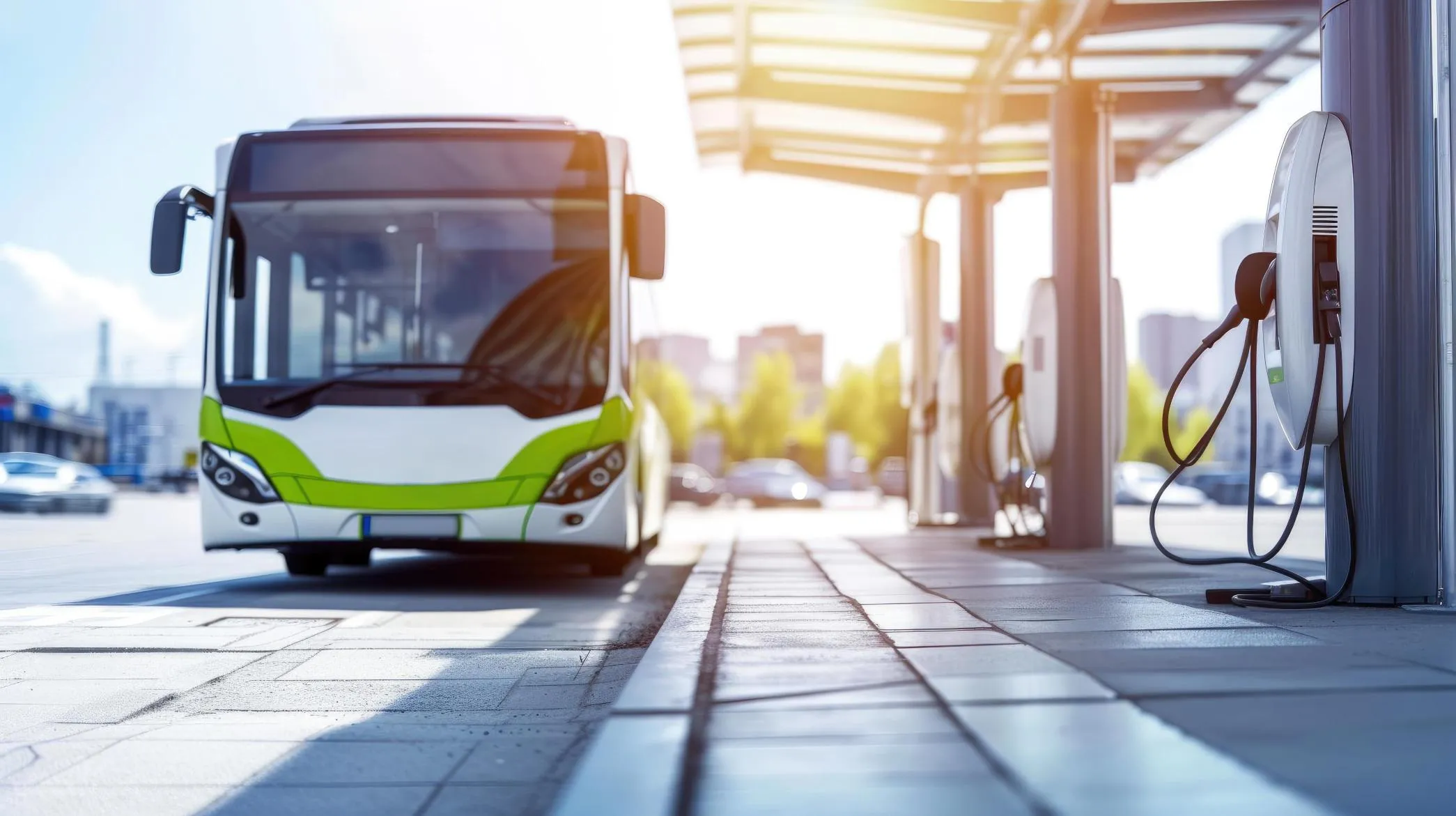
Brazil’s electric bus market is poised for accelerated growth as the country shifts toward cleaner and more efficient public transportation. Urbanization trends, combined with rising concerns about air pollution and greenhouse gas emissions, are prompting transit authorities to explore zero‑emission solutions. With a large and expanding bus fleet that forms the backbone of urban mobility in cities like São Paulo, Rio de Janeiro, and Brasília, electrification presents a viable pathway to reduce operating costs and improve environmental performance. As global OEMs and local players invest in electric bus technology, Brazil is emerging as a key market in Latin America’s transition to sustainable mass transit.
Key Drivers Shaping the Growth of Brazil’s Electric Bus Market
Environmental and Regulatory Pressure
Environmental concerns are among the strongest drivers for electric bus adoption in Brazil. Cities in Brazil regularly rank high in urban air pollution metrics, contributing to respiratory health issues and environmental degradation. According to national air quality reports, transportation is a major source of particulate matter and nitrogen oxides in metropolitan regions. Electric buses produce zero tailpipe emissions, helping municipalities comply with tightening environmental standards and improving overall air quality.
Cost Advantages and Operational Efficiency
Electric buses offer lower total cost of ownership (TCO) compared with diesel counterparts, particularly as battery prices decline. Although upfront procurement costs remain higher, electric buses typically incur lower fuel and maintenance expenses due to fewer moving parts and higher energy efficiency. Fleet operators are increasingly calculating lifecycle savings when planning replacement cycles. For example, energy cost per kilometer for electric buses can be significantly lower than diesel, producing operational savings that support budgetary constraints in public transit agencies.
Technological Advancements and Infrastructure Developments
Advances in battery technology, such as higher energy densities and faster charging solutions, are enhancing operational feasibility. Public and private investments in charging infrastructure—both depot and opportunity chargers—reduce a range of anxiety and support continuous urban operation. Partnerships between OEMs, utilities and municipal authorities are accelerating infrastructure deployment, making electrification a more practical option for large bus fleets.
Government Policies and Initiatives Promoting Electric Bus Adoption
Federal and state governments in Brazil are introducing policies to stimulate electric bus adoption. These include tax incentives on electric vehicle components, reduced import duties on electrified buses, and dedicated funding programs for green mobility projects. Some municipalities are integrating electric bus procurement into broader climate action plans, supported by international climate funds. Regulatory frameworks aimed at lowering carbon emissions from public transport further reinforce government commitment to electrification.
Competitive Dynamics and Key Players in Brazil’s Electric Bus Market
The Brazil electric bus market features both international and local players. Global OEMs with established electric bus portfolios are competing with regional manufacturers looking to secure government tenders and fleet contracts. Strategic partnerships between bus builders, battery suppliers, and charging infrastructure firms are increasingly common, aimed at offering turnkey solutions to transit authorities. Competitive differentiation is largely driven by vehicle range, reliability, total cost economics, and after‑sales service networks.
Key Challenges Hindering the Adoption of Electric Buses in Brazil
High Initial Costs and Infrastructure Barriers
Despite long‑term savings, the high upfront cost of electric buses remains a barrier for many operators, particularly smaller transit agencies with limited capital. In addition, charging infrastructure deployment requires significant investment and coordination with power utilities. Grid upgrades and site planning can delay implementation, while inconsistent charging standards add complexity for multi‑vendor fleets.
Future Outlook
Through 2035, Brazil’s electric bus market is expected to grow steadily as technological maturity accelerates, and economies of scale reduce costs. Urban transit agencies are likely to expand electrification in alignment with climate targets, supported by increasing government funding and international climate finance. Battery innovations, greater energy storage capacity, and smart charging systems will enhance operational viability. By 2035, a substantial share of new bus deliveries in Brazil could be electric, contributing to lower emissions, reduced fuel dependency and more sustainable urban transportation networks.
Consultants at Nexdigm, in their latest publication “Brazil Electric Bus Market Outlook to 2035,” analyze the sector by System Type (Battery Electric Buses (BEB), Hybrid Electric Buses (HEB), Plug-in Hybrid Electric Buses (PHEB), Fuel Cell Electric Buses (FCEB)), By Platform Type (City Buses, Intercity Buses, Tourism Buses), and By Fitment Type (Retrofit Kits, Newly Manufactured Buses, Modular Systems). Nexdigm suggests that businesses should focus on understanding regional trends, consumer behavior, and regulatory frameworks to effectively position themselves in the market. This approach helps in identifying emerging opportunities and mitigating potential risks. By analyzing local market dynamics, businesses can tailor their strategies to meet consumer demands, align with governmental policies, and leverage technological advancements for competitive advantage.
To take the next step, simply visit our Request a Consultation page and share your requirements with us.
Harsh Mittal
+91-8422857704