
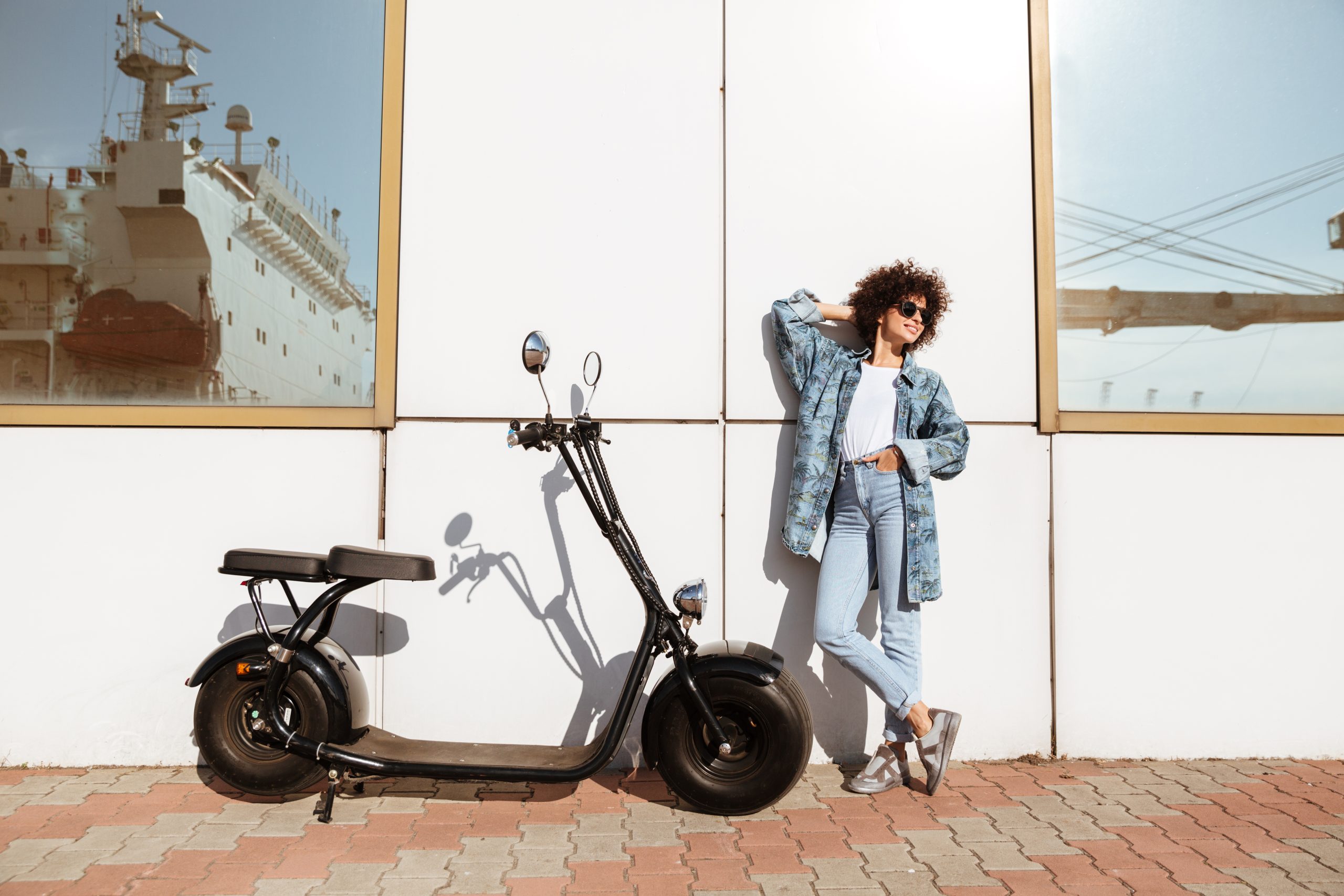
Brazil’s electric two-wheeler battery market is emerging as a promising segment within the country’s rapidly evolving electric mobility industry. Increasing demand for affordable transportation, rising fuel costs, urban congestion, and environmental awareness are encouraging the adoption of electric motorcycles, scooters, and bicycles. According to Brazil’s National Institute of Metrology (Inmetro), the electric bicycle, scooter, and similar personal mobility equipment market reached approximately 338,970 units in 2025, reflecting around 238% growth compared with 2023. This expanding ecosystem is creating significant opportunities for lithium-ion battery manufacturers and technology providers.
Key Market Drivers Affecting Brazil Electric Two Wheeler Battery Industry
Growing Adoption of Electric Two-Wheelers
Increasing adoption of electric motorcycles, scooters, and bicycles is a major driver of Brazil’s electric two-wheeler battery market. Consumers are increasingly considering electric alternatives because of their lower operating costs, reduced maintenance requirements, and suitability for urban commuting. According to Fenabrave, electric motorcycle registrations reached 4,803 units during January–May 2025, compared with 2,775 units during the corresponding period in 2024, representing approximately 73% growth. This rising adoption is generating demand for rechargeable lithium-ion battery packs, replacement batteries, and advanced battery management systems.
Expansion of Last-Mile Delivery and Commercial Mobility
Brazil’s expanding e-commerce, food delivery, and urban logistics sectors are creating additional opportunities for electric two-wheeler batteries. Delivery companies and fleet operators are exploring electric motorcycles to reduce fuel expenditure and improve operational efficiency. Electric two-wheelers are particularly suitable for short-distance transportation in densely populated cities such as São Paulo and Rio de Janeiro. Commercial applications also increase demand for durable batteries with higher charging-cycle capabilities. Battery swapping and removable battery technologies are gaining relevance because they can reduce charging downtime and improve fleet utilization.
Technological Advancements and Battery Innovation
Advancements in lithium-ion battery technology are supporting the development of Brazil’s electric two-wheeler battery market. Manufacturers are focusing on improving energy density, charging speed, thermal management, and battery lifespan. Lithium iron phosphate (LFP) batteries are attracting attention because of their safety characteristics and durability, while other lithium-ion chemistries offer higher energy density. Additionally, improvements in battery management systems, lightweight battery designs, and recycling technologies are expected to improve product performance and affordability. Growing investments in battery replacement solutions and localized assembly capabilities will further support market development.
Government Support Towards Brazil Electric Two Wheeler Battery Industry
Brazil is encouraging electric mobility through industrial development policies and regulatory initiatives. The Green Mobility and Innovation Programme (MOVER), established under Law No. 14,902/2024, promotes automotive innovation, decarbonization, and investments in domestic manufacturing. Additionally, Inmetro initiated regulatory studies in 2025 covering replacement lithium-ion batteries for electric bicycles and personal mobility devices. These initiatives are expected to strengthen battery safety, product quality, and local manufacturing capabilities.
Competitive Landscape Of Brazil Electric Two Wheeler Battery Industry
Brazil’s electric two-wheeler ecosystem includes domestic manufacturers, international electric motorcycle brands, battery suppliers, and mobility service providers. Companies such as Vmoto, GCX, Watts, Shineray, and Super Soco are participating in the electric motorcycle segment. Competition is increasingly focused on battery performance, affordability, vehicle range, charging efficiency, and after-sales services. Manufacturers are also exploring partnerships with battery technology providers to strengthen supply chains and expand their presence in Brazil.
Market Challenges Faced Within Brazil Electric Two Wheeler Battery Industry
High Battery Costs and Affordability
High upfront battery costs and dependence on imported lithium-ion cells can increase electric two-wheeler prices. This creates affordability challenges among price-sensitive Brazilian consumers.
Limited Charging Infrastructure and Recycling
Uneven charging infrastructure, limited battery swapping networks, and insufficient recycling facilities can restrict market expansion. Concerns regarding battery replacement costs, safety, and disposal also influence purchasing decisions.
Future Outlook
Brazil’s electric two-wheeler battery market is expected to witness considerable growth through 2035, supported by increasing electric motorcycle adoption, expanding delivery services, and technological advancements. Lithium-ion batteries, particularly LFP solutions, are expected to remain important, while battery swapping and fast-charging technologies could create additional opportunities. Government initiatives promoting domestic manufacturing and battery safety regulations may encourage investments in localized battery production and recycling. Furthermore, Brazil’s large motorcycle user base and expanding urban mobility requirements offer considerable long-term potential. However, market development will depend on improving affordability, charging infrastructure, and battery supply-chain capabilities.
Consultants at Nexdigm, in their latest publication “Brazil Electric Two Wheeler Battery Market Outlook to 2035,” analyze the sector by By Battery Chemistry Type (Lithium Iron Phosphate (LFP), Nickel Manganese Cobalt (NMC), Emerging Technologies), By Vehicle Performance Tier (Micro-Mobility E-Scooters, Commuter Electric Motorcycles, Last-Mile Delivery E-Mopeds) and By Battery Swap Infrastructure (Fixed Charging Solutions, Modular Swappable Battery Packs, Integrated Public Swap Cabinets).
Nexdigm suggests that businesses in Brazil Electric Two Wheeler Battery Market should invest in advanced lithium-ion battery technologies, explore local manufacturing partnerships, and develop cost-effective battery solutions. Companies should prioritize battery swapping infrastructure, recycling capabilities, and strategic collaborations with electric two-wheeler manufacturers to capitalize on Brazil’s growing electric mobility demand and emerging market opportunities.
To take the next step, simply visit our Request a Consultation page and share your requirements with us.
Harsh Mittal
+91-8422857704
[email protected]