
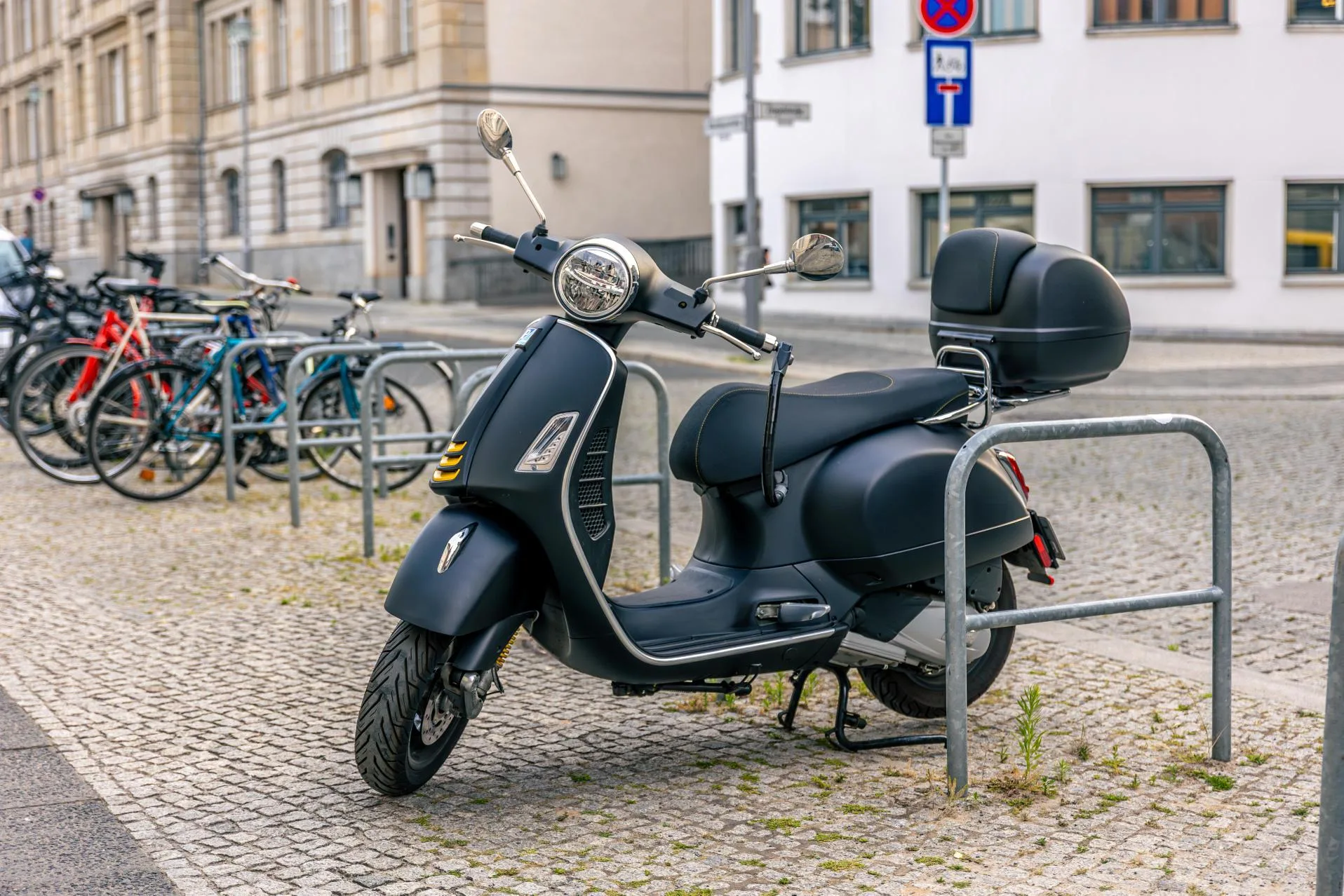
Brazil’s electric two‑wheeler (e2W) market is gaining momentum as urban mobility needs and sustainability goals converge. Driven by rising fuel costs, increased environmental awareness, and improvements in battery technology, electric scooters and motorcycles are becoming more attractive to consumers and fleet operators. While still nascent compared with other regions, Brazil’s e2W segment is projected to grow significantly through 2035, supported by infrastructural developments and regulatory momentum. Adoption trends indicate a shift toward e2Ws in both personal and commercial segments, especially in dense urban centers like São Paulo and Rio de Janeiro.
Key Factors Driving Growth in Brazil’s Electric Two-Wheeler Market
Urban Mobility and Cost Efficiency
Brazil’s major cities are struggling with traffic congestion and air pollution, creating demand for efficient urban transport solutions. Electric two‑wheelers require lower maintenance and operating costs than internal combustion engine (ICE) counterparts. With electricity prices relatively stable compared to volatile petrol prices, total cost of ownership for e2Ws is increasingly competitive. Early adopters and delivery fleets are reporting operational cost savings of 30–50% relative to conventional bikes over their lifecycle.
Environmental Awareness and Emissions Goals
Environmental regulations and climate commitments are influencing consumer choice and corporate fleet strategies. Brazil’s National Policy on Climate Change and municipal clean air programs are creating a more conducive environment for low‑emission vehicles. E2Ws produce zero tailpipe emissions, aligning with sustainability targets and municipal incentives such as preferential parking and reduced road taxes in some states.
Technological Advancements and Local Manufacturing
Improvements in lithium‑ion battery efficiency and cost declines are strengthening the e2W value proposition. Local assembly and component production are beginning to take shape, with a few domestic players and joint ventures exploring local supply chains, which may reduce prices and stimulate wider adoption over time.
Government Policies and Incentives Boosting Electric Two-Wheeler Adoption
Federal and state authorities are experimenting with incentives aimed at electrification. Initiatives include tax exemptions on electric vehicle imports, subsidies for local production, and municipal rebates for electric two‑wheelers in select cities. Regulatory frameworks under Brazil’s National Electric Mobility Plan are increasingly emphasizing zero‑emission vehicles, creating a foundation for future policy support.
Key Players in Brazil’s Electric Two-Wheeler Market
The Brazil e2W market is evolving, with domestic startups and international brands entering or expanding regional operations. Major global OEMs are introducing electric scooter models through local dealerships, while Brazilian companies focus on cost‑effective designs tailored to urban use. Strategic partnerships among manufacturers, battery suppliers, and delivery platforms are emerging to enhance market reach and infrastructure deployment.
Challenges Hindering the Growth of Brazil’s Electric Two-Wheeler Market
Infrastructure Constraints
Limited charging infrastructure remains a key barrier. Public charging points are concentrated in major cities, and rural coverage is sparse, affecting consumer confidence in e2W adoption.
Cost and Consumer Awareness
Though operating costs are lower, upfront prices for electric two‑wheelers remain higher than ICE alternatives. Combined with limited awareness of total cost benefits and performance expectations, this slows uptake among traditional motorcycle buyers.
Future Outlook
Through 2035, Brazil’s electric two‑wheeler market is expected to expand steadily, supported by urban demand, improved technology, and supportive regulation. Projections suggest compounding annual growth as fleet electrification accelerates in delivery services and personal transport. Continued expansion of charging infrastructure, cost reductions through local manufacturing, and stronger policy frameworks will be critical for scaling adoption. By 2035, electric two‑wheelers could represent a significant share of the urban mobility mix, contributing to cleaner cities and reduced dependence on fossil fuels.
Consultants at Nexdigm, in their latest publication “Brazil Electric Two-Wheeler Market Outlook to 2035,” analyze the sector by System Type (Battery Electric Two-Wheelers, Plug-in Hybrid Electric Two-Wheelers, Electric Motorcycles, Electric Scooters), By Platform Type (Urban Mobility Platforms, E-scooter Sharing Platforms, Electric Motorcycles for Delivery Services), and By Fitment Type (On-road Electric Two-Wheelers, Off-road Electric Two-Wheelers, Integrated Charging Station Solutions). Nexdigm suggests that businesses should adapt their strategies to the evolving landscape of the electric two-wheeler market by focusing on key areas such as infrastructure development, consumer education, and cost reduction. By aligning with emerging trends and leveraging government incentives, companies can position themselves for long-term success in this growing sector.
To take the next step, simply visit our Request a Consultation page and share your requirements with us.
Harsh Mittal
+91-8422857704