
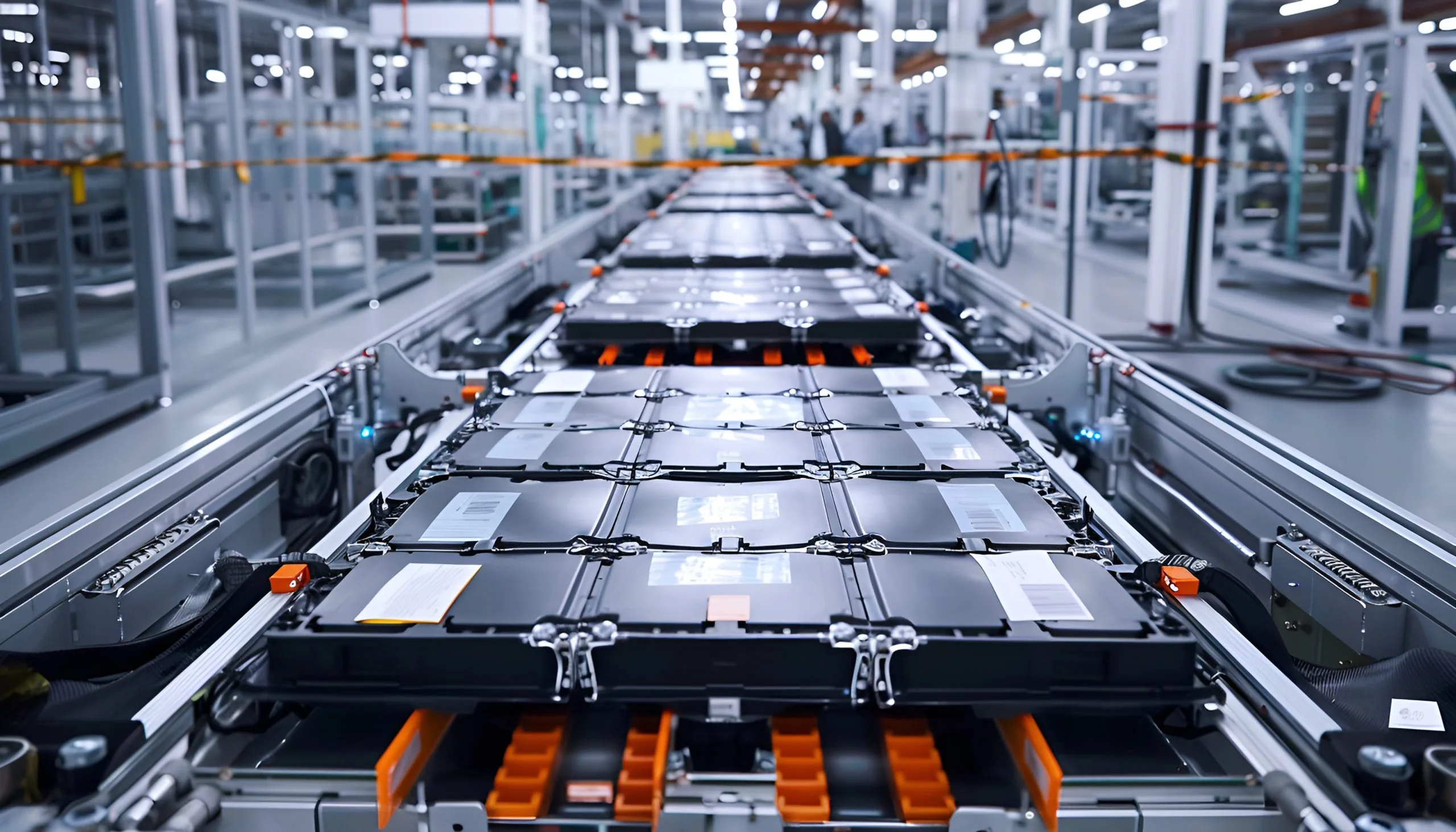
Brazil’s electric vehicle (EV) market is at an inflection point, driven by growing environmental awareness, tightening emissions policies, and declining battery costs. As the largest automotive market in Latin America, Brazil is witnessing increased EV adoption, with sales of battery electric vehicles (BEVs) and plug‑in hybrids (PHEVs) rising year‑on‑year. The EV battery segment—encompassing lithium‑ion cells, packs, and downstream services—is expected to see sustained growth through 2035. With projections indicating that EVs could account for roughly 30–40% of new vehicle sales by the mid‑2030s, the demand for reliable, cost‑efficient battery solutions will be a major market driver.
Key Factors Driving Growth in Brazil’s EV Battery Market
Growing EV Adoption and Fleet Electrification
A primary driver of Brazil’s EV battery market is the increase in electric vehicle uptake. Consumer interest in BEVs and PHEVs has climbed as prices narrow with internal combustion engine (ICE) vehicles. Major automakers are launching new EV models tailored for the Brazilian market, which in turn escalates battery demand. Commercial fleets—especially in logistics, ride‑hailing, and public transport—are also transitioning to electric platforms to lower operating costs and carbon footprints.
Declining Battery Costs and Technology Improvements
Lithium‑ion battery costs have dropped steadily over the past decade, making EVs more affordable for Brazilian consumers. Global average pack prices fell below $150–$160/kWh in the early 2020s, improving the total cost of ownership (TCO) for EVs relative to ICE vehicles. Technological advancements such as increased energy density and faster charging capabilities further enhance battery performance, aligning with consumer expectations and infrastructure development.
Expansion of Charging Infrastructure
Battery market growth is closely linked with charging network expansion. Brazil’s charging stations—especially in urban centers like São Paulo, Rio de Janeiro, and Brasília—are expanding, reducing range anxiety and encouraging broader EV adoption. Public and private investments in DC fast charging corridors support longer‑distance travel and stimulate battery demand as more EVs enter the market.
Government Policies and Initiatives Supporting EV Battery Adoption
Federal and state policies are beginning to favor electric mobility. Tax incentives, exemptions for certain EV components, and reduced import duties for EVs and battery systems aim to lower upfront costs. Brazil’s “Rota 2030” automotive program includes frameworks for energy efficiency and electrification. Additionally, municipal incentives in major cities promote EV purchases and preferential parking, contributing modestly to battery market momentum.
Overview of Key Players and Competition in Brazil’s EV Battery Market
The competitive environment in Brazil’s EV battery market includes global cell manufacturers, regional assemblers, and automotive OEMs forging supply agreements. Major international battery producers are exploring partnerships with local automakers for assembly or cell supply, while Brazilian firms are evaluating recycling and second‑life battery initiatives. Competition is increasingly centered on cost efficiency, durability, and localization of supply chains to reduce dependency on imports.
Key Challenges Facing Brazil’s EV Battery Market Growth
Infrastructure and Supply Chain Constraints
Despite growth potential, Brazil faces infrastructure bottlenecks. Charging station density remains low compared to leading EV markets, and grid upgrades are needed to support high‑capacity charging.
Dependence on Imported Cells
Brazil’s limited domestic battery manufacturing capacity creates reliance on imports, exposing the market to global supply chain volatility and foreign currency fluctuations, which can drive up costs.
Future Outlook
Through 2035, Brazil’s EV battery market is projected to expand significantly as EV adoption accelerates and supportive policies evolve. Local manufacturing, strategic raw material sourcing, and recycling initiatives could reduce reliance on imports while creating value‑chain jobs. Battery technologies with higher energy density and lower costs—such as next‑generation lithium‑ion and solid‑state concepts—will strengthen competitiveness. With EVs potentially forming a substantial share of new vehicle registrations by 2035, the battery segment will increasingly attract investment and innovation, shaping Brazil’s transition to electrified mobility.
Consultants at Nexdigm, in their latest publication “Brazil EV Battery Market Outlook to 2035,” analyze the sector by System Type (Lithium-Ion Batteries, Solid-State Batteries, Nickel-Cobalt-Manganese Batteries, Lithium Iron Phosphate Batteries), By Platform Type (Passenger Vehicles, Electric Buses, Electric Two-Wheelers), and By Fitment Type (OEM Batteries, Aftermarket Batteries, Integrated Batteries). Nexdigm suggests that businesses should actively monitor and adapt to market-relevant trends, such as the increasing demand for electric vehicles (EVs) and the advancements in battery technology, to stay competitive. This includes leveraging government incentives, enhancing supply chain resilience, and exploring local manufacturing to reduce dependency on imports, ensuring long-term sustainability and growth in the EV battery market.
To take the next step, simply visit our Request a Consultation page and share your requirements with us.
Harsh Mittal
+91-8422857704