
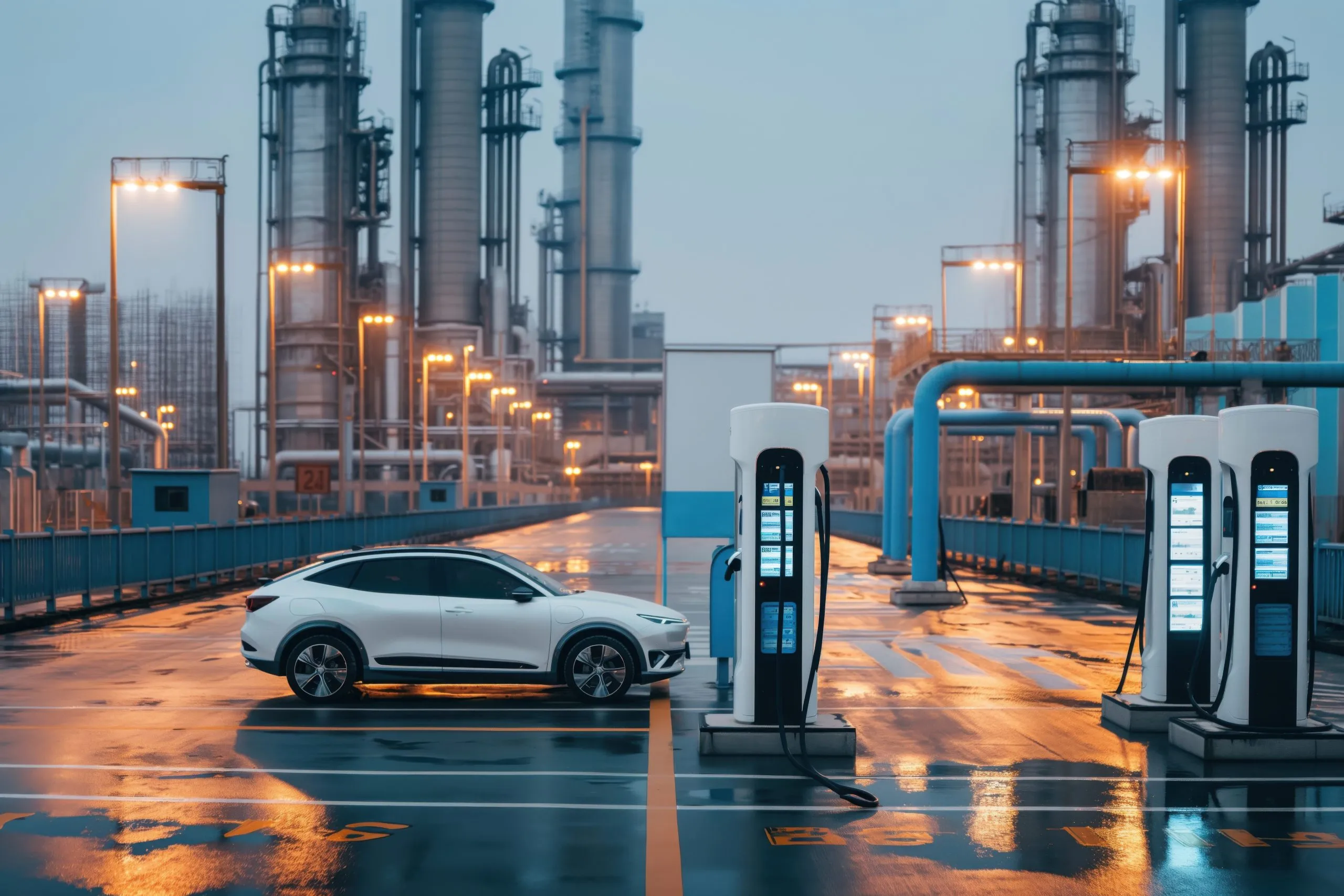
The EV charging infrastructure market in Brazil is evolving rapidly alongside the broader electric vehicle (EV) sector, which has seen strong growth in recent years. Expansion of charging networks is critical to support increasing EV sales and reduce dependence on fossil fuels. Public and semi‑public charging stations in Brazil have grown substantially, but infrastructure remains limited relative to vehicle adoption. This market’s development will be central to Brazil’s transition toward sustainable mobility through the next decade.
Key Drivers Fueling the Growth of Brazil’s EV Charging Infrastructure Market
Growing EV Adoption
Electric vehicle sales in Brazil are increasing at a notable pace, with electrified light vehicle sales rising sharply year‑on‑year. The surge in EV adoption directly escalates demand for charging infrastructure. Between 2023 and 2024, electrified vehicle registrations jumped approximately 90%, driving pressure on charging networks.
Infrastructure Expansion Needs
The number of public and semi‑public charging points in Brazil has expanded significantly: from several thousand stations to nearly 17,000 by 2025. However, the ratio of vehicles to charging points remains high, around 18 vehicles per station, highlighting the need for continued network growth.
Urbanization and Regional Focus
Major urban centers such as São Paulo, Rio de Janeiro, and Brasília account for a large share of infrastructure development due to higher vehicle density and mobility demand. Urban deployment of charging stations encourages further EV adoption by reducing range anxiety and improving accessibility.
Government Policies and Initiatives Supporting EV Charging Infrastructure Expansion
Brazilian federal and state governments have introduced incentives to boost EV adoption and charging infrastructure. Policies include tax incentives, mandated infrastructure in new residential developments, and plans to expand public fast‑charging networks to support broader electrification goals. Regulatory frameworks aim to reduce carbon emissions and promote clean transportation technologies.
Overview of Key Players and Competition in Brazil’s EV Charging Infrastructure Market
The EV charging network in Brazil comprises both domestic and international players, including utility companies, energy firms, and infrastructure solution providers. Major participants contribute to station installations, fast‑charging technology deployment, and network management solutions, creating a competitive environment focused on scaling the charging ecosystem.
Key Challenges Facing the Expansion of EV Charging Infrastructure in Brazil
Infrastructure Deficit
Despite growth in charging point installations, the pace of EV adoption has outstripped infrastructure expansion. With an average of roughly 18 vehicles per charging station in 2025, Brazil faces a substantial infrastructure deficit that could slow EV uptake without targeted investment.
Geographic and Economic Barriers
Charging infrastructure deployment outside major metropolitan areas remains uneven, with rural and smaller cities underserved. High upfront installation costs and complex permitting processes also pose challenges for rapid network scaling.
Future Outlook
Projections indicate sustained growth in Brazil’s EV charging infrastructure over the next decade and beyond. Market forecasts suggest a strong compound annual growth rate through 2034 and potentially to 2035, underpinned by increasing EV adoption, investment in fast‑charging technology, and supportive public policies. Continued infrastructure expansion will be necessary to meet the needs of a growing EV population and enable Brazil to align with global energy transition targets.
Consultants at Nexdigm, in their latest publication “Brazil EV Charging Infrastructure Market Outlook to 2035,” analyze the sector by System Type (Fast Chargers, Ultra-Fast Chargers, Level 2 Chargers, Public Charging Stations), By Platform Type (Residential Platforms, Commercial Platforms, Public Infrastructure Platforms), and By Fitment Type (Dedicated EV Chargers, Home Charging Solutions, Workplace Charging Solutions). Nexdigm suggests that businesses should focus on understanding the evolving regulatory environment, the rapid adoption of electric vehicles, and the infrastructure gaps in the Brazilian market to effectively navigate the growing demand for EV charging stations. By staying ahead of these market trends, businesses can position themselves to capitalize on opportunities and overcome barriers to growth in the electric vehicle sector.
To take the next step, simply visit our Request a Consultation page and share your requirements with us.
Harsh Mittal
+91-8422857704