
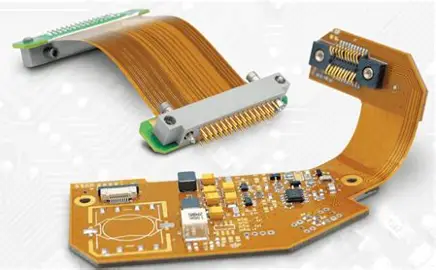
Brazil’s flexible electronics and flexible circuits market is witnessing strong growth, supported by rising consumer electronics adoption, expanding automotive production, and accelerating industrial digitalization. As Latin America’s largest economy, Brazil accounts for more than 240 million smartphone connections, reflecting robust demand for compact and high-performance electronic components. The country also manufactures approximately 2.5 million vehicles annually, creating increasing requirements for flexible circuits used in infotainment systems, sensors, battery-management modules, and advanced vehicle electronics. Additionally, Brazil’s electronics industry generates over USD 40 billion in annual revenue, while growing investments in Industry 4.0 technologies, smart manufacturing, healthcare devices, and connected consumer products continue to drive demand for advanced flexible electronics solutions. As businesses increasingly prioritize miniaturization, connectivity, and energy-efficient technologies, flexible circuits are becoming a critical component of Brazil’s evolving electronics ecosystem.
Key Market Drivers for Brazil’s Flexible Electronics and Flexible Circuits Industry
Expanding Consumer Electronics and Smartphone Adoption
Brazil remains the largest consumer electronics market in Latin America, creating strong demand for flexible electronics and flexible circuits across smartphones, tablets, wearables, and connected devices. The country has over 240 million active smartphone connections, exceeding its total population, while internet penetration has surpassed 88%, reflecting widespread digital engagement. Flexible printed circuits are increasingly used in foldable devices, OLED displays, cameras, sensors, and compact electronic products where lightweight and space-efficient designs are essential. As demand for premium smartphones, smartwatches, wireless earbuds, and IoT-enabled consumer devices continues to rise, manufacturers are increasingly integrating advanced flexible circuit technologies to improve performance, durability, and product miniaturization.
Growth in Automotive Electronics and Vehicle Electrification
Brazil produced approximately 2.5 million vehicles in recent years, maintaining its position as the largest automotive manufacturing hub in Latin America. Modern vehicles contain hundreds of electronic components, many of which rely on flexible circuits for infotainment systems, digital instrument clusters, battery-management systems, lighting modules, and vehicle sensors. The expansion of hybrid and electric vehicle production is further accelerating demand for lightweight electronic architectures that improve efficiency and reduce wiring complexity. As automotive manufacturers continue investing in connected mobility, autonomous driving features, and vehicle electrification, flexible electronics are expected to play an increasingly important role throughout Brazil’s transportation ecosystem.
Rising Industrial Automation and Industry 4.0 Investments
Brazil’s industrial sector is rapidly embracing automation, robotics, artificial intelligence, and smart manufacturing technologies to improve productivity and competitiveness. Manufacturing accounts for nearly 20% of the country’s industrial output, while investments in Industry 4.0 solutions continue expanding across sectors such as mining, food processing, chemicals, machinery, and logistics. Flexible sensors, printed electronics, and intelligent monitoring systems are increasingly being deployed for predictive maintenance, equipment monitoring, and process optimization. As industries pursue greater operational efficiency and digital transformation, demand for advanced flexible electronic components capable of operating in complex industrial environments is expected to increase significantly through the forecast period.
Government Support and Strategic Digital Transformation Initiatives Strengthen Brazil’s Flexible Electronics and Flexible Circuits Industry
Brazil continues to support the advancement of high-value electronics manufacturing through its national digital transformation and industrial modernization programs. Under initiatives such as Brasil Digital and Nova Indústria Brasil (NIB), the government is encouraging investments in semiconductors, advanced electronics, Industry 4.0 technologies, and innovation-driven manufacturing. Brazil attracted more than USD 60 billion in foreign direct investment inflows recently, with technology and industrial sectors accounting for an increasing share. Additionally, government efforts to expand 5G connectivity, strengthen domestic electronics production, and accelerate digital industrialization are creating favorable conditions for flexible circuits, printed electronics, advanced sensors, and smart-device manufacturing. These initiatives are expected to support long-term demand across automotive, healthcare, telecommunications, and industrial automation applications.
Competitive Landscape of Brazil’s Flexible Electronics and Flexible Circuits Industry Driven by Smart Devices and Industrial Innovation
Brazil’s flexible electronics and flexible circuits market is characterized by a growing ecosystem of electronics manufacturers, component suppliers, engineering firms, and technology-focused production facilities serving both domestic and export markets. Competition is increasingly centered on product reliability, miniaturization capabilities, material innovation, customization expertise, and manufacturing efficiency. With more than 240 million smartphone connections, approximately 2.5 million vehicles produced annually, and a rapidly expanding Industry 4.0 ecosystem, market participants are investing in advanced flexible circuit technologies, printed sensors, wearable electronics, and intelligent industrial solutions. The rising demand for connected devices, healthcare electronics, automotive systems, and smart manufacturing applications continues to drive innovation and technological advancement throughout the industry.
Major Challenges Facing Brazil’s Flexible Electronics and Flexible Circuits Industry
Dependence on Imported Advanced Components and Materials
Brazil’s flexible electronics industry continues to rely on imported semiconductors, specialty substrates, conductive materials, and advanced manufacturing equipment. Exchange-rate volatility, logistics disruptions, and global supply-chain constraints can increase production costs and impact product availability.
High Manufacturing Costs and Technology Investment Requirements
Manufacturers must continuously invest in advanced production technologies, research capabilities, and workforce development to remain competitive. The rapid pace of innovation in flexible electronics requires substantial capital expenditure, which can present challenges for companies seeking to scale production while maintaining profitability.
Future Outlook
Looking ahead, Brazil’s flexible electronics and flexible circuits market is expected to experience sustained growth, supported by rising smartphone adoption, continued expansion of automotive manufacturing, and increasing investments in industrial digitalization. With more than 240 million smartphone connections, an automotive production base exceeding 2.5 million vehicles annually, and growing Industry 4.0 adoption, demand for flexible sensors, printed electronics, wearable technologies, and advanced circuit solutions is expected to strengthen. Future opportunities are likely to emerge in smart healthcare devices, connected consumer electronics, intelligent industrial systems, and vehicle electronics. Companies investing in product innovation, advanced materials, and localized manufacturing capabilities will be well positioned to capitalize on Brazil’s evolving technology ecosystem through 2035.
Consultants at Nexdigm, in their latest publication “ Brazil Flexible Electronics and Flexible Circuits Market Outlook to 2035,” analyse the sector By Flexible Circuit Architecture (Adhesive-based Polyimide laminates, Adhesiveless copper-clad laminates and Single-layer copper traces), By Material Substrate (Polyimide Films and Polyester (PET) Films) and By Application Sector (Consumer Electronics, Automative Telematics and Medical Diagnostic Wearables).
Nexdigm suggests that businesses in Brazil’s Flexible Electronics and Flexible Circuits Industry prioritize smart consumer electronics, automotive electronics integration, industrial automation applications, and advanced wearable technologies while strengthening local manufacturing capabilities and supply-chain partnerships to capitalize on growing digitalization, connected-device adoption, and high-value electronics demand.
Tio take the next step, simply visit our Request a Consultation page and share your requirements with us.
Harsh Mittal
+91-8422857704