
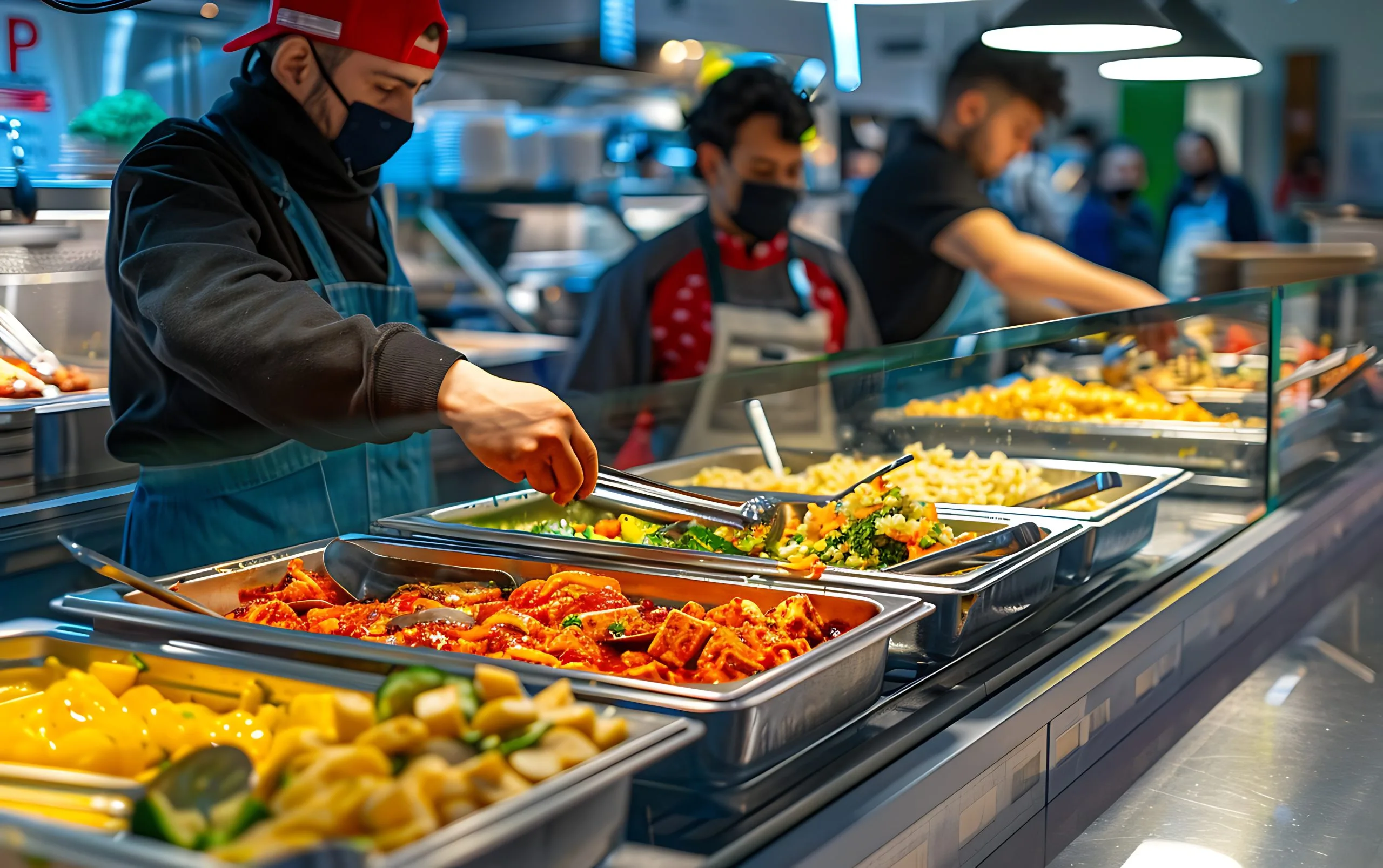
The Brazil foodservice market is growing as urban consumers spend more on restaurants, cafés, quick-service outlets, delivery meals, takeout, and casual dining experiences. The market is estimated at around USD 55.6 billion and is projected to reach nearly USD 94.8 billion, supported by changing lifestyles and stronger demand for convenience-led meals. Brazil’s urbanization rate of around 88% is also creating a larger consumer base for foodservice operators. As work routines, social dining, and digital ordering habits evolve, foodservice is becoming a regular part of daily consumption.
Key Growth Drivers of the Brazil Foodservice Market
Urban Lifestyles Are Increasing Out-of-Home Dining
Brazil’s large urban population is a major driver of foodservice demand. Consumers in cities increasingly rely on restaurants, cafés, bakery chains, fast-food outlets, and food courts for convenient meals during workdays, travel, shopping, and leisure activities. Urban consumers often look for quick access, affordable pricing, familiar brands, and diverse menu options. As dining becomes linked with convenience and social experience, operators are expanding across commercial hubs, malls, transport locations, office districts, and residential neighborhoods.
Delivery and Digital Ordering Are Reshaping Foodservice Consumption
Food delivery platforms, mobile apps, digital payments, loyalty programs, and online ordering are changing how Brazilians buy food. Restaurants are increasingly using app-based promotions, delivery-only kitchens, online menus, and pickup formats to serve consumers beyond physical outlets. Digital payments reaching broad consumer coverage is also making transactions faster and easier. This shift benefits quick-service restaurants, casual dining chains, cafés, pizzerias, burger outlets, and local restaurants that can offer speed, visibility, and convenience through digital channels.
Menu Innovation Is Helping Brands Attract Wider Consumer Groups
Brazilian consumers are showing interest in value meals, premium snacks, regional cuisines, healthier choices, coffee formats, desserts, and international food options. Operators are refreshing menus to balance affordability with variety.
Government Support Is Strengthening Food Safety and Small Business Operations
Government support for Brazil’s foodservice market is linked to food safety standards, sanitation rules, small business assistance, digitalization, and formalization of food enterprises. Regulatory bodies help maintain hygiene, labelling, and consumer protection standards across restaurants and food outlets. Support for micro and small businesses also benefits local restaurants, cafés, bakeries, and catering operators. As the sector employs a large workforce, policy focus on entrepreneurship, training, and compliance helps improve business resilience and service quality.
Competitive Landscape Is Shaped by Local Operators and Global Chains
The Brazil foodservice market includes global quick-service chains, local restaurant groups, independent outlets, cafés, bakeries, delivery-first kitchens, and catering providers. Competition is shaped by price, menu relevance, delivery reach, location, brand trust, digital visibility, and customer experience. Large chains benefit from scale, technology, and standardized menus, while local players compete through regional flavors, affordability, and neighborhood loyalty. Businesses that combine convenience, quality, and digital engagement are better positioned to grow.
Market Challenges in the Brazil Foodservice Market
Rising Input Costs Affect Restaurant Margins
Foodservice operators face pressure from fluctuating prices of ingredients, rent, utilities, packaging, and logistics. Inflation can make it difficult to maintain affordable menus while protecting profitability.
Labour and Operational Efficiency
Restaurants require trained staff for cooking, service, hygiene, delivery coordination, and customer handling. Labour shortages, high turnover, and training costs can affect service consistency and operating efficiency.
Future Outlook
The Brazil foodservice market is expected to grow as consumers continue to adopt delivery, takeout, fast-casual formats, and restaurant experiences suited to urban lifestyles. Future opportunities will likely emerge in quick-service dining, cafés, bakery chains, premium snacks, healthy meals, regional cuisine, and technology-enabled ordering. Operators will need to manage costs carefully while offering value, quality, and convenience. Businesses that strengthen digital channels, improve delivery efficiency, localize menus, and build strong customer loyalty are likely to capture long-term market growth.
Consultants at Nexdigm, in their latest publication “Brazil foodservice market outlook to 2035,” analyze the sector By Service Type (Outlet Density, Average Ticket Size, Throughput Capacity), By Cuisine Type (Menu Diversity, Consumer Preference Index, Average Spend Per Visit)
Nexdigm suggests that businesses should prioritize digital ordering, localized menu innovation, delivery efficiency, and cost-effective operations to capture growth in Brazil’s foodservice market.
To take the next step, simply visit our Request a Consultation page and share your requirements with us.
Harsh Mittal
+91-8422857704
[email protected]