
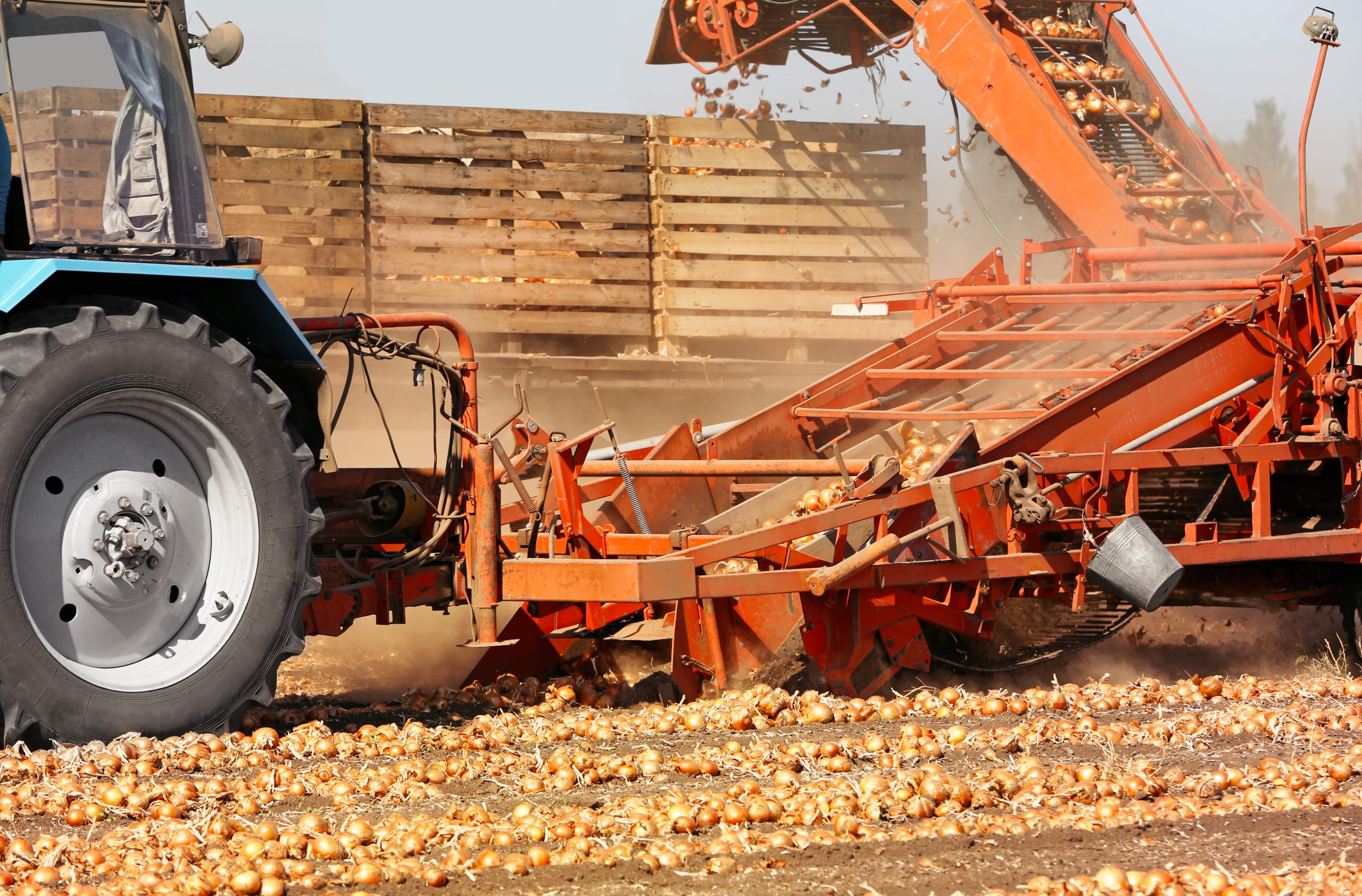
Brazil agricultural harvesting equipment market is witnessing sustained momentum as the country reinforces its position as a global powerhouse in soybean and corn production. As of 2026, Brazil remains one of the world’s largest producers and exporters of soybeans and a leading exporter of corn, supported by expanding cultivation areas in Mato Grosso, Goiás, and Paraná. Rising global demand for animal feed, biofuels, and food grains continues to strengthen Brazil’s grain output. However, increasing farm sizes, labor shortages, and pressure to improve operational efficiency are accelerating the adoption of advanced harvesting machinery. Combines with higher horsepower, precision agriculture features, and telematics integration are increasingly becoming standard across large commercial farms.
What’s Driving the Harvesting Equipment Market in Brazil?
Expansion of Soybean and Corn Acreage
Brazil’s soybean and second-crop corn (safrinha) cultivation has expanded steadily over the past decade, particularly in the Cerrado region. Farmers are adopting double-cropping systems, where soybeans are harvested early to allow timely planting of corn within the same season. This compressed harvest window requires high-capacity combines capable of operating efficiently across large fields. As farm consolidation continues, large agribusinesses are investing in modern harvesting fleets to reduce grain losses and improve turnaround time between crop cycles.
Rising Export Demand and Logistics Efficiency
Brazil’s grain exports to China, the European Union, and Southeast Asia remain robust. To maintain competitiveness in global markets, producers are focusing on improving harvest efficiency and minimizing post-harvest losses. Modern harvesting equipment equipped with yield monitoring systems and GPS-based guidance is enabling farmers to optimize field performance. Additionally, improvements in port infrastructure and inland logistics corridors are encouraging higher production volumes, indirectly boosting demand for harvesting machinery.
Technology Integration and Precision Agriculture
Precision agriculture is gaining traction across Brazil’s large-scale farms. Harvesters integrated with telematics, real-time data analytics, and automated steering systems are improving productivity and reducing fuel consumption. Leading global manufacturers such as John Deere, CNH Industrial (owner of New Holland Agriculture and Case IH), and AGCO Corporation are strengthening their presence in Brazil through local manufacturing and dealership networks. These companies are introducing advanced combines tailored for Brazil’s large soybean and corn farms, enhancing harvesting speed and grain quality management.
Government Support and Financing Access
Brazilian agricultural policy continues to support farm mechanization through subsidized rural credit programs and low-interest financing lines under national agricultural plans. Public and private banks offer equipment financing options, enabling medium- and large-scale farmers to upgrade aging machinery fleets. In addition, sustainability-linked financing is encouraging farmers to adopt fuel-efficient and low-emission harvesting equipment. As environmental scrutiny around land use intensifies, farmers are focusing on improving productivity per hectare rather than expanding into new areas, further driving demand for efficient harvesters.
Market Competition and Domestic Manufacturing
The Brazil harvesting equipment market is moderately concentrated, with multinational OEMs dominating high-horsepower combine sales. However, domestic assembly operations and component manufacturing have increased over the years, improving supply chain resilience. Local production reduces import dependency and cushions farmers from currency volatility. Dealership networks play a critical role in after-sales service, spare parts distribution, and maintenance contracts, which are essential given the narrow harvesting windows for soybeans and corn.
High Capital Investment and Currency Volatility
Harvesting equipment, particularly high-capacity combines, requires substantial capital investment. Fluctuations in the Brazilian real against the US dollar impact machinery prices, as many components are globally sourced. Smaller farmers often rely on cooperatives or custom hiring services due to affordability constraints. Additionally, rising fuel costs and maintenance expenses can affect overall profitability for grain producers.
Future Outlook
Brazil harvesting equipment market is expected to witness steady growth through 2035, aligned with soybean and corn production expansion and rising export competitiveness. Increasing adoption of automation, artificial intelligence-driven yield optimization, and predictive maintenance technologies will reshape harvesting operations. By 2035, a larger share of combine harvesters in Brazil is expected to be equipped with advanced precision farming systems, enabling real-time decision-making and improved cost efficiency. Sustainability considerations will also play a stronger role, with manufacturers investing in fuel-efficient engines and exploring alternative energy solutions for agricultural machinery. While market growth may moderate during commodity price downturns, long-term fundamentals remain strong due to Brazil’s strategic role in global food supply chains.
Consultants at Nexdigm, in their latest publication “Brazil Harvesting Equipment Market Outlook to 2035” – By Crop Type (Soybean, Corn, Others), By Equipment Type (Combine Harvesters, Forage Harvesters, Headers), By Power Output (Below 150 HP, 150–300 HP, Above 300 HP), and By Farm Size (Small, Medium, Large Commercial Farms), believe that businesses should prioritize precision-enabled combines, strengthen localized manufacturing, and expand financing partnerships to capture growth opportunities in Brazil’s evolving soybean and corn ecosystem through 2035.
To take the next step, simply visit our Request a Consultation page and share your requirements with us.
Harsh Mittal
+91-8422857704