
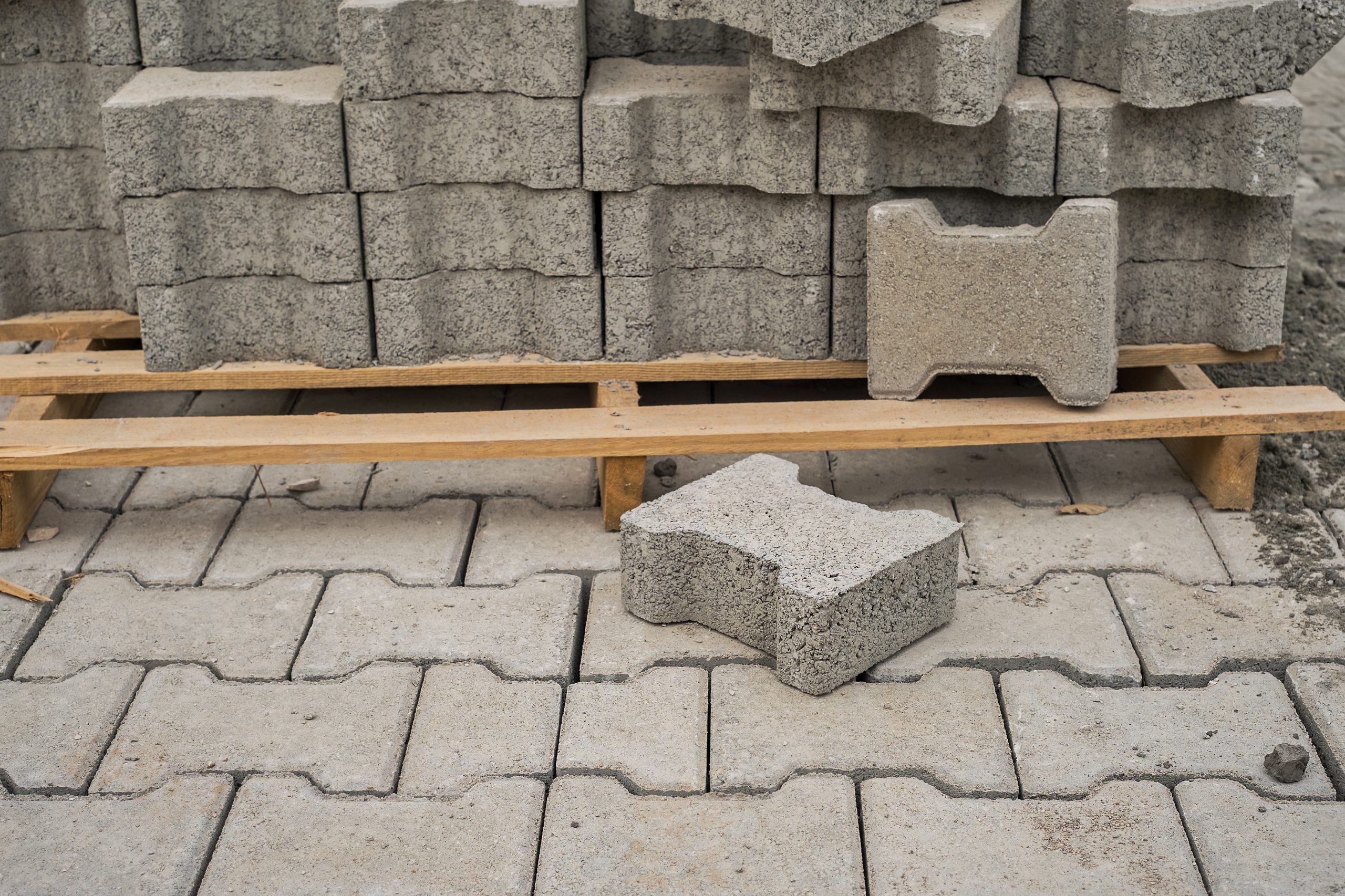
Brazil’s hollow concrete blocks market is gaining momentum as the country continues to invest in residential construction, urban infrastructure, and affordable housing development. Hollow concrete blocks are widely used in residential, commercial, and industrial projects because of their durability, cost-effectiveness, thermal insulation properties, and ease of installation. With increasing urbanization and the need for better housing facilities, demand for efficient building materials is expected to strengthen. The market generated approximately USD 1.7 billion in revenue in 2022 and is projected to reach USD 2.4 billion by 2030, registering a CAGR of 4.4% during 2023–2030. Looking ahead to 2035, construction modernization and sustainable building practices are expected to create additional growth opportunities.
Key Market Drivers Are Strengthening Demand for Hollow Concrete Blocks
Expanding Residential Construction and Affordable Housing Demand
Brazil’s growing residential construction sector is one of the primary factors supporting demand for hollow concrete blocks. Population concentration in urban areas, rising household formation, and the need to reduce the housing deficit are encouraging developers to undertake new residential projects. Government-backed housing programmes, particularly Minha Casa, Minha Vida, are further supporting construction activity by improving access to affordable housing finance. The programme contracted approximately 880,000 housing units in 2025, supported by investments of around BRL 180 billion. This creates substantial opportunities for concrete block manufacturers, particularly suppliers serving large-scale residential developments.
Increasing Infrastructure Investments and Urban Development
Infrastructure development is another important growth driver. Investments in roads, public buildings, sanitation facilities, schools, healthcare centres, and commercial infrastructure are increasing the requirement for reliable construction materials. Brazil’s Novo PAC programme has allocated significant funding towards infrastructure modernization, creating opportunities for manufacturers supplying hollow concrete blocks to public and private construction projects. Additionally, the country’s apparent cement consumption increased by approximately 4.07% in 2024, reaching 64.74 million tonnes. This recovery reflects improving construction material demand and supports the broader outlook for concrete-based building products.
Cost Efficiency and Growing Preference for Durable Building Materials
Hollow concrete blocks offer practical advantages over several conventional building materials. Their hollow structure reduces overall material weight, helps improve thermal and acoustic insulation, and can lower transportation and installation costs. These benefits make them suitable for projects where construction efficiency and long-term durability are important considerations. Furthermore, increasing interest in energy-efficient buildings and optimized construction techniques is encouraging developers to consider modern masonry solutions. As contractors seek to control project costs without compromising structural performance, hollow concrete blocks are expected to maintain their relevance across Brazil’s construction industry.
Government Support and Infrastructure Initiatives Are Supporting Industry Expansion
Brazil’s government is supporting construction activity through affordable housing schemes, infrastructure investments, and improved access to housing finance. The Minha Casa, Minha Vida programme continues to encourage residential development, while the Novo PAC programme supports investments in transportation, sanitation, energy, and public infrastructure. The Novo PAC has an overall investment pipeline of approximately BRL 1.8 trillion, including investments planned beyond 2026. These initiatives are expected to generate sustained demand for construction materials, including hollow concrete blocks, while encouraging manufacturers to expand production capabilities and improve product quality.
Competitive Landscape Is Driven by Regional Manufacturers and Product Innovation
Brazil’s hollow concrete blocks market is characterized by competition among regional concrete block manufacturers, precast concrete producers, and established construction material suppliers. Companies compete primarily on product quality, pricing, production capacity, distribution networks, and the ability to meet project-specific requirements. Manufacturers with automated production facilities and strong regional supply chains are better positioned to serve large construction projects. In addition, investments in manufacturing efficiency, product standardization, and sustainable production practices are becoming increasingly important. As demand expands, companies are likely to focus on capacity enhancement, dealer partnerships, and product differentiation to strengthen their market positions.
Market Challenges Continue to Influence Industry Growth
Fluctuating Raw Material and Production Costs
The production of hollow concrete blocks depends heavily on cement, aggregates, water, and energy. Fluctuations in cement prices, transportation expenses, and electricity costs can increase manufacturing expenditure and reduce profit margins, particularly for smaller regional producers. Maintaining competitive prices while ensuring consistent product quality remains an important challenge.
Competition and Uneven Market Development
Manufacturers also face competition from alternative building materials, including clay bricks, solid concrete blocks, and other masonry solutions. Additionally, differences in construction standards, infrastructure availability, and purchasing power across Brazilian regions can create uneven demand. Smaller manufacturers may also struggle to invest in advanced machinery and environmentally efficient production technologies, limiting their ability to compete with larger suppliers.
Future Outlook
Brazil’s hollow concrete blocks market is expected to experience steady development through 2035, supported by affordable housing requirements, urban expansion, infrastructure modernization, and increasing adoption of efficient construction materials. The market’s projected growth to USD 2.4 billion by 2030 provides a positive foundation for its longer-term outlook. Between 2030 and 2035, manufacturers are likely to benefit from investments in automated production, lightweight block designs, improved insulation properties, and sustainable manufacturing processes. However, the pace of expansion will depend on construction financing, raw material prices, and government investment continuity. Companies focusing on product innovation, regional distribution, and cost-efficient manufacturing are expected to be better positioned to capture emerging opportunities.
Consultants at Nexdigm, in their latest publication “Brazil Hollow Concrete Blocks Market Outlook to 2035,” analyze the sector by Concrete Block Product Type (Structural Concrete Blocks, Non-Structural Sealing Blocks, Lightweight Aggregate Blocks, Paving and Interlocking Blocks), By End User Application (Residential Housing Developers, Commercial Infrastructure Contractors, Government Public Works Agencies), and By Distribution Channel (Direct B2B Developer Contracts, Construction Material Depots, Large Scale DIY Retailers).
Nexdigm suggests that businesses should focus on expanding regional manufacturing capabilities, strengthening distribution networks, and investing in automated production technologies. Manufacturers should also prioritize cost optimization, product quality, and sustainable building solutions to capitalize on Brazil’s growing affordable housing demand and infrastructure development through 2035.
To take the next step, simply visit our Request a Consultation page and share your requirements with us.
Harsh Mittal
+91-8422857704