
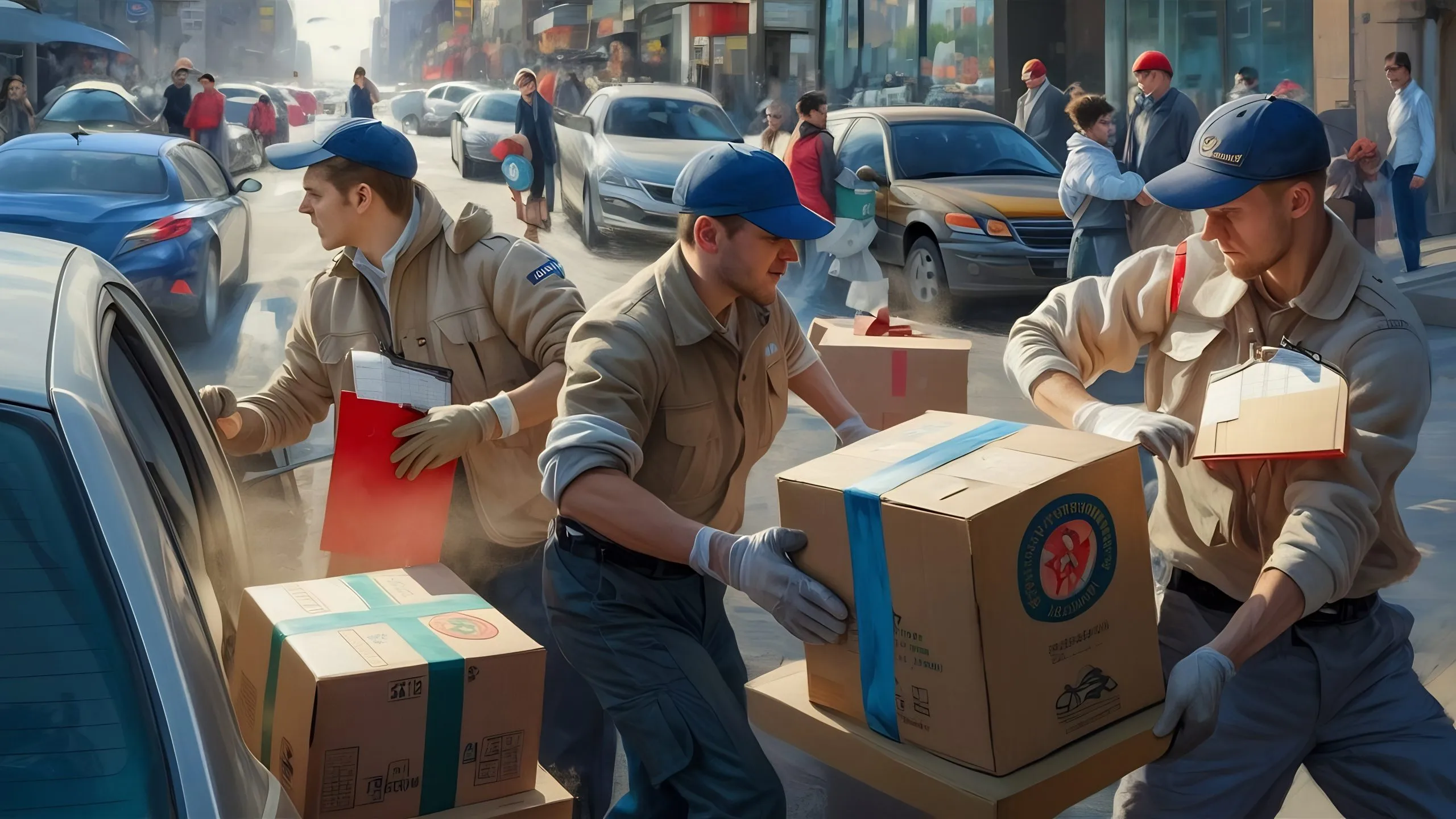
The last‑mile delivery market in Brazil is undergoing rapid transformation as e‑commerce and on‑demand services expand across urban and regional centers. Fueled by rising internet penetration, smartphone usage, and shifting consumer behaviour, logistics providers are investing in technology and infrastructure to enhance delivery speed and efficiency. Brazil’s geographical diversity — from dense cities like São Paulo to remote regions in the Amazon — presents both opportunities and logistical complexity. As of 2025, Brazil’s e‑commerce penetration has exceeded 25% of retail sales, pointing to sustained demand for effective last‑mile solutions.
Key Factors Fueling Growth in Brazil’s Last-Mile Delivery Market
Growth in E‑Commerce and Consumer Expectations
The primary driver for Brazil’s last‑mile delivery market is the rapid expansion of online shopping. In 2024, Brazil recorded over BRL 200 billion in e‑commerce sales, reflecting double-digit annual growth. Consumers now expect faster delivery windows, with next‑day and same‑day options increasingly influencing purchase decisions. Urban populations in cities like Rio de Janeiro and Brasília demand reliable, time‑definite deliveries, pushing logistics companies to scale up fleets, automation, and route optimization technologies.
Technological Advances and Digital Platforms
Technology adoption is reshaping competitive dynamics in last‑mile delivery. Route-planning algorithms, real‑time tracking, and AI‑based demand forecasting enhance operational efficiency. Key players are experimenting with electric bikes, drones, and autonomous vehicles to lower costs and reduce environmental impact. Mobile applications that integrate order management with dynamic delivery routing are significantly improving customer experience. Partnerships between logistics firms and market‑places like Mercado Livre and Magazine Luiza ensure seamless fulfilment from warehouse to doorstep, reducing bottlenecks and idle time.
Urbanization and Population Density
Brazil’s continued urban growth — with over 87% of the population living in cities — increases delivery demand in high-density areas, where consumers favour rapid fulfilment. However, high traffic congestion and limited downtown space make efficient last‑mile execution essential, driving investment in micro‑fulfilment centers and decentralized delivery hubs. These hubs reduce travel distances, enabling shorter delivery times and better resource utilization.
Government Policies and Initiatives Driving Last-Mile Delivery Efficiency in Brazil
The Brazilian government has introduced regulatory frameworks and infrastructure investments aimed at improving logistics efficiency. Initiatives to modernize road networks, reduce freight costs, and support digital tracking systems aim to lower barriers for last‑mile services. Incentives for adopting low emission vehicles and smart city programmers in major municipalities also align with broader sustainability goals. These policies are designed to reduce delivery times and enhance service reliability across regions.
Analysis of Key Players and Competition in Brazil’s Last-Mile Delivery Market
Brazil’s last‑mile delivery market features a mix of domestic and global players. Traditional courier companies compete with agile tech enabled startups for e‑commerce contracts. Major logistics firms are forming strategic alliances with retail platforms to secure scale advantages. Investments in automation and digital customer interfaces differentiate service offerings. Price competitiveness, network reach, and speed of fulfilment remain key competitive factors as companies vie for market share.
Key Challenges Facing Brazil’s Last-Mile Delivery Market
Infrastructure and Costs
Despite growth prospects, challenges persist. Brazil’s expansive territory and uneven infrastructure quality increase delivery costs and extend transit times, particularly in rural and northern regions. High fuel prices and limited distribution hubs outside major cities strain operational margins. Additionally, regulatory complexity across states can complicate routing and compliance, requiring adaptable logistics strategies. As logistics networks mature, improved rural connectivity and policy support will help bridge service gaps.
Future Outlook
By 2035, Brazil’s last‑mile delivery market is projected to become more efficient, tech driven, and customer‑centric. Continued investment in digital infrastructure, AI optimization, and low‑carbon transport modes will reduce costs and improve service reliability. E‑commerce growth is expected to remain strong, with diversified delivery models — including lockers, crowdsourced couriers, and autonomous vehicles — gaining traction. Overall, the market is positioned for sustainable expansion, aligning logistics of innovation with evolving consumer expectations.
Consultants at Nexdigm, in their latest publication “Brazil Last‑Mile Delivery Market Outlook to 2035,” analyze the sector by System Type (Courier Parcel Delivery Services, Food and Grocery Delivery Services, E Commerce Parcel Fulfillment Delivery, Pharmaceutical and Healthcare Delivery), By Platform Type (Two Wheeler Delivery Fleets, Light Commercial Vehicle Delivery Fleets, Electric Delivery Vehicles), and By Fitment Type (In House Retail Delivery Networks, Third Party Logistics Delivery Providers, Crowdsourced Delivery Platforms). Nexdigm suggests that businesses should adapt to evolving consumer demands, invest in technological innovation, and focus on enhancing operational efficiency to stay competitive in the rapidly growing and complex last-mile delivery market.
To take the next step, simply visit our Request a Consultation page and share your requirements with us.
Harsh Mittal
+91-8422857704