
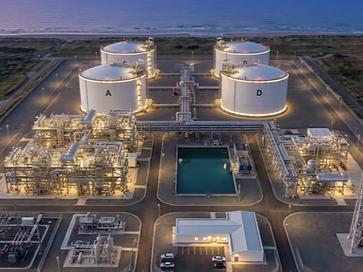
Brazil’s LNG infrastructure industry is becoming increasingly important as the country works to strengthen energy security, diversify gas supply sources, and support industrial growth. With a population exceeding 210 million and a growing need for reliable energy, liquefied natural gas has emerged as a strategic component of Brazil’s energy mix. The country already operates multiple LNG import terminals along its coastline, helping balance seasonal fluctuations in natural gas demand. As industries, power plants, and commercial users seek dependable fuel supplies, investments in LNG terminals, storage facilities, regasification units, and transportation networks continue to gain momentum across Brazil.
Market Drivers Advancing the Brazil LNG Infrastructure Industry
Expanding Natural Gas Demand Across Industries
One of the strongest drivers of Brazil’s LNG infrastructure market is the increasing consumption of natural gas across industries such as manufacturing, chemicals, mining, and power generation. Natural gas is often viewed as a cleaner alternative to heavier fossil fuels, making it an attractive option for businesses seeking operational efficiency while reducing emissions. Brazil remains one of Latin America’s largest energy consumers, and industrial activities continue to create substantial demand for reliable gas supplies. LNG infrastructure enables imported gas to reach regions where domestic pipeline networks remain limited, ensuring greater supply stability.
Rising Investments in LNG Import and Regasification Facilities
Private and public stakeholders are investing heavily in LNG terminals and floating storage and regasification units (FSRUs). Brazil currently operates several LNG import facilities strategically located near major industrial and energy hubs. These terminals play a crucial role during periods when hydropower generation declines due to lower reservoir levels. Growing investments are also improving storage capacity, unloading systems, and transportation infrastructure. Such developments help reduce supply bottlenecks and enhance the flexibility of the national gas network.
Energy Transition and Power Generation Requirements
Brazil generates a significant portion of its electricity from hydropower. However, changing weather patterns and periodic drought conditions have increased the importance of complementary energy sources. LNG-fired power plants provide a reliable backup during periods of lower hydroelectric output. This need for energy diversification is encouraging utilities and power producers to strengthen LNG infrastructure capabilities. As electricity demand rises alongside urbanization and industrialization, LNG is expected to remain a critical bridge fuel supporting the country’s broader energy transition objectives.
Government Initiatives Supporting Brazil LNG Infrastructure Industry
The Brazilian government has introduced reforms aimed at creating a more competitive and efficient natural gas market. Initiatives encouraging private-sector participation, infrastructure modernization, and gas market liberalization have attracted investment into LNG projects. Regulatory measures designed to improve access to gas transportation and distribution networks are also helping accelerate infrastructure expansion. These efforts support long-term energy security while fostering greater competition throughout the gas value chain.
Competitive Landscape of Brazil LNG Infrastructure Industry
The competitive landscape includes a mix of global energy companies, infrastructure developers, gas suppliers, and terminal operators. Major participants are focusing on expanding terminal capacity, developing floating regasification facilities, and strengthening logistics networks. Strategic partnerships between international investors and domestic companies are becoming increasingly common as organizations seek to capitalize on Brazil’s growing gas demand. Technological innovation and operational efficiency remain key differentiators within the market.
Challenges Facing the Brazil LNG Infrastructure Industry
High Capital Investment Requirements
Developing LNG terminals, storage facilities, and associated transportation infrastructure requires substantial capital investment. Project developers often face long development timelines and significant financing needs before achieving commercial returns.
Regulatory and Logistics Complexities
While market reforms have improved investment attractiveness, stakeholders must still navigate regulatory requirements, environmental approvals, and complex logistics arrangements. Coordinating infrastructure across ports, storage facilities, power plants, and distribution networks can present operational challenges that may slow project execution.
Future Outlook
The outlook for Brazil’s LNG infrastructure market remains highly promising as energy diversification, industrial expansion, and power sector modernization continue to create opportunities. Ongoing investments in LNG terminals, FSRUs, storage capacity, and gas transportation networks are expected to strengthen supply reliability across the country. Growing participation from private investors, coupled with supportive government reforms, should further accelerate infrastructure development. As Brazil balances energy security goals with sustainability objectives, LNG infrastructure is expected to play a pivotal role in ensuring reliable and flexible energy access for businesses and consumers alike.
Consultants at Nexdigm, in their latest publication “Brazil LNG Infrastructure Market Outlook to 2035“ analyze the sector By Terminal Infrastructure Type (Offshore Mooring Systems and Subsea Pipeline Risers) and By Small Scale Distribution Modules (LNG Truck Loading Bays and Satellite LNG Regasification Stations).
Nexdigm suggests that businesses in “Brazil LNG Infrastructure Industry” focusses on oilfield, desalination, construction, and industrial applications, strengthen local warehousing, develop application-specific grades, improve technical support, and build resilient sourcing networks to serve expanding energy, water, and manufacturing demand.
To take the next step, simply visit our Request a Consultation page and share your requirements with us.
Harsh Mittal
+91-8422857704