
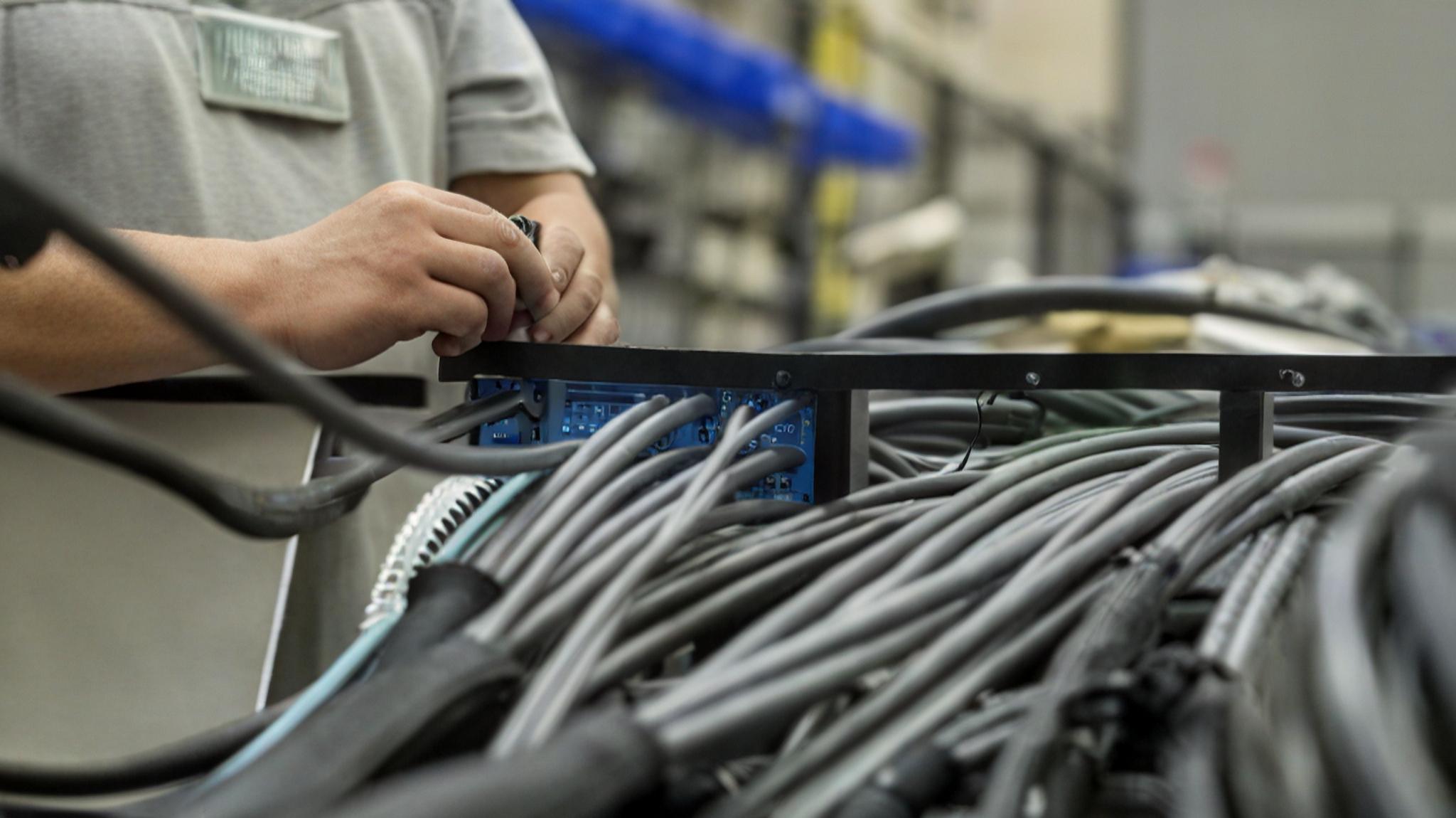
Brazil’s low voltage cable industry plays a crucial role in supporting the country’s expanding power, construction, and industrial sectors. As electricity demand rises and infrastructure projects gain momentum, the need for reliable cable networks continues to grow. Brazil remains one of Latin America’s largest electricity markets, with over 225 GW of installed power capacity, while renewable energy accounts for nearly 89% of total capacity, creating strong demand for power distribution solutions. From residential buildings and commercial complexes to manufacturing facilities and renewable energy projects, low voltage cables serve as the backbone of safe and efficient electricity distribution across Brazil.
Market Drivers Advancing the Brazil’s Low Voltage Cable Industry
Expanding Power Distribution and Grid Modernization
Brazil’s electricity sector is undergoing rapid transformation. The country operates a transmission network stretching approximately 184,000 km, and utilities continue investing in grid expansion to accommodate growing renewable energy generation and rising electricity consumption. Every new substation, distribution line, or urban electrification project requires extensive deployment of low voltage cables. As cities expand and population centers become more connected, cable manufacturers are seeing increased opportunities across both public and private infrastructure developments.
Renewable Energy Projects Creating New Demand
Brazil has emerged as a global leader in clean energy. Renewable sources account for nearly 89% of the country’s electricity generation, while wind and solar contribute more than a quarter of the national power mix. Although renewable plants rely heavily on medium- and high-voltage systems, low voltage cables remain essential. The continuous addition of renewable energy capacity is generating sustained demand throughout the electrical value chain.
Construction and Industrial Development Supporting Consumption
Brazil’s urban development continues to support growth in residential, commercial, and industrial construction. Modern buildings increasingly require advanced electrical systems capable of supporting automation, energy management, security, and communication networks. Industrial facilities are also adopting more automated production lines, which rely heavily on specialized low voltage and control cables. As sectors such as manufacturing, logistics, mining, and data centers expand, cable consumption is expected to rise steadily.
Government Policies Encouraging Brazil Low Voltage Cable Growth
The Brazilian government continues to promote long-term energy expansion through programs focused on grid reliability, renewable integration, and infrastructure modernization. The country’s energy planning framework includes initiatives supporting transmission expansion, energy access, and network upgrades. In addition, programs such as Luz para Todos (Light for All) have helped improve electricity access across underserved regions, creating further opportunities for cable deployment. These efforts are strengthening the foundation for continued growth in the low voltage cable industry.
Competitive Landscape of Brazil Low Voltage Cable Sector
The Brazilian low voltage cable market features a mix of domestic manufacturers and global cable producers. Competition is largely driven by product quality, safety standards, technological innovation, pricing, and distribution capabilities. Leading participants focus on strengthening production capacities, developing fire-resistant and energy-efficient cable solutions, and expanding partnerships with utilities, construction companies, and industrial customers. Manufacturers are also investing in sustainable production processes to align with broader environmental objectives.
Challenges Facing Brazil’s Low Voltage Cable Industry
Raw Material Price Volatility
Copper and aluminum remain the primary materials used in cable manufacturing. Price fluctuations in global commodity markets can significantly influence production costs and profit margins. Manufacturers often face difficulties balancing competitive pricing with rising input costs, particularly during periods of supply chain uncertainty.
Regulatory and Project Execution Complexities
Although infrastructure investments remain strong, project approvals and implementation timelines can sometimes be lengthy. Delays in construction projects, utility investments, or industrial developments may temporarily affect cable demand and procurement schedules. Maintaining compliance with evolving technical and safety regulations also requires continuous investment from manufacturers.
Future Outlook
The future of Brazil’s low voltage cable industry appears promising, supported by the country’s expanding energy infrastructure, urbanization, industrial modernization, and renewable energy ambitions. With electricity demand growing and investments flowing into grid enhancement projects, cable manufacturers are likely to benefit from a strong pipeline of opportunities. As Brazil continues strengthening its position as a renewable energy leader while modernizing electrical networks nationwide, demand for high-quality low voltage cables is expected to remain resilient. Companies that focus on innovation, sustainability, and reliable supply chains will be best positioned to capitalize on the industry’s long-term growth potential.
Consultants at Nexdigm, in their latest publication “Brazil Low Voltage Cable Market to 2035” analyze the sector By Conductor Material (Copper Conductor, Aluminum Conductor and Composite Hybrid Conductor), By Building Infrastructure Application (Residential Construction, Commercial Real Estate and Public Infrastructure Projects) and By Voltage Rating (Up to 450/750 Volts and 0.6/1.0 Volts).
Nexdigm suggests that businesses in “Brazil Low Voltage Cable Industry” focusses on oilfield, desalination, construction, and industrial applications, strengthen local warehousing, develop application-specific grades, improve technical support, and build resilient sourcing networks to serve expanding energy, water, and manufacturing demand.
To take the next step, simply visit our Request a Consultation page and share your requirements with us.
Harsh Mittal
+91-8422857704