
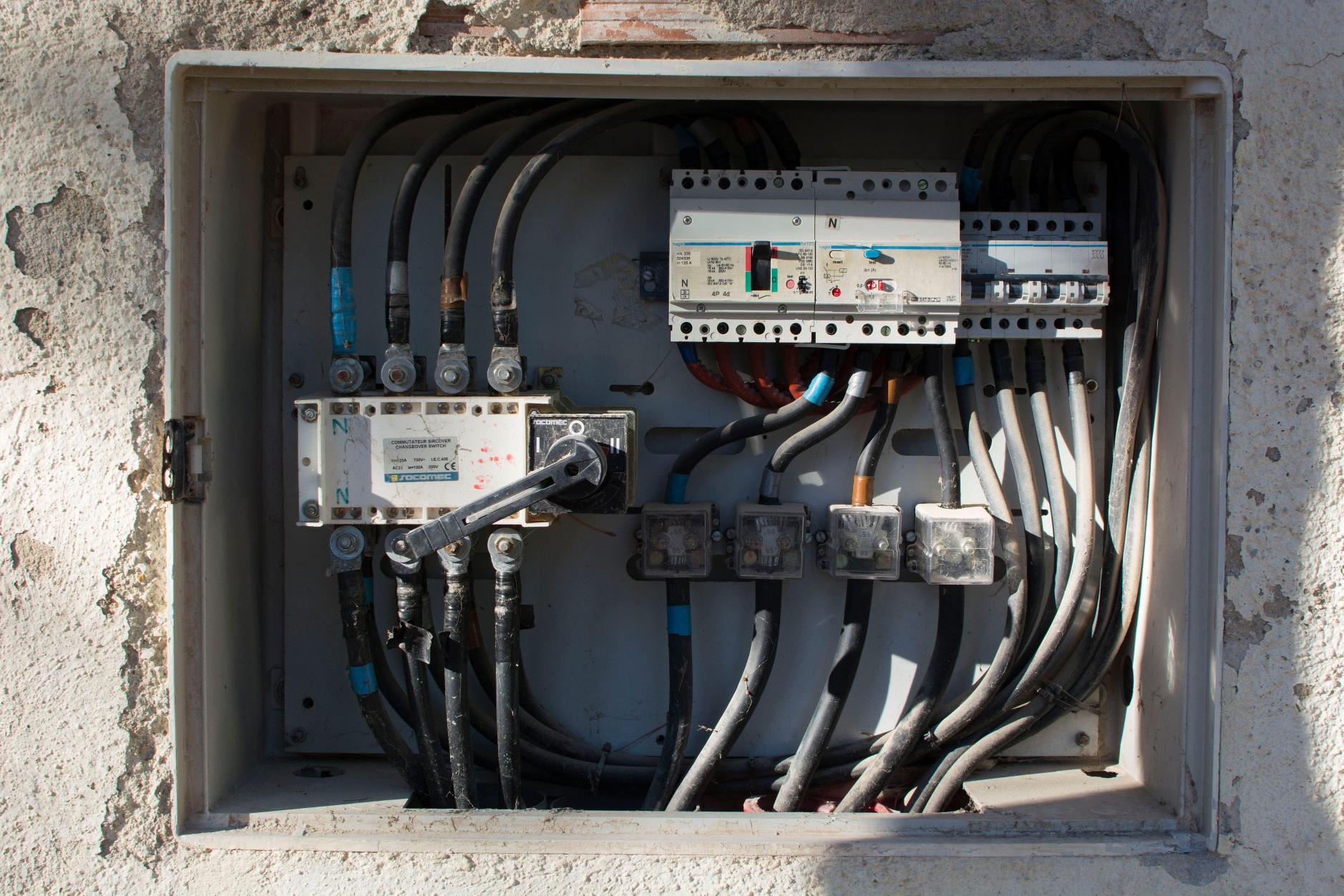
Brazil’s low-voltage DC circuit breakers industry is gaining momentum as the country expands renewable energy integration, industrial electrification, and grid modernization efforts. The sector was valued at approximately USD 1.42 billion, with demand supported by increasing deployment of distributed solar photovoltaic systems, commercial power networks, and industrial automation. Growing emphasis on electrical safety and arc-fault protection is encouraging the adoption of advanced DC protection technologies. Industrial centers such as São Paulo and Curitiba continue to drive demand, while regulatory standards focusing on grid reliability and operational safety are accelerating the replacement of conventional protection equipment with high-performance DC circuit breakers.
Market Drivers Advancing Brazil Low-Voltage DC Circuit Breakers Growth
Expansion of Distributed Solar Power Installations
Brazil ranks among the leading solar energy markets in Latin America, with distributed photovoltaic systems expanding rapidly across residential, commercial, and industrial facilities. DC circuit breakers play a vital role in protecting solar installations from overloads, short circuits, and arc faults. As businesses seek energy independence and reduced electricity costs, the installation of rooftop and utility-scale solar projects continues to increase, creating sustained demand for reliable DC protection solutions.
Industrial Electrification and Infrastructure Modernization
The country’s manufacturing, mining, and oil and gas facilities are investing in electrification projects to improve operational efficiency and reduce maintenance costs. Modern industrial systems increasingly rely on DC-powered equipment, battery storage, and automation technologies that require robust protection mechanisms. Furthermore, Brazil’s modernization of electrical infrastructure supports the adoption of intelligent circuit breakers capable of monitoring network performance and improving system reliability.
Growing Focus on Electrical Safety and Compliance
Safety regulations are becoming more stringent across industrial and commercial sectors. Compliance with standards such as the NBR IEC 60947 series encourages organizations to deploy advanced low-voltage DC protection devices. Smart circuit breakers equipped with electronic sensing technologies help prevent equipment damage, reduce downtime, and improve workplace safety. These benefits are particularly important in critical industries, including oil and gas, where uninterrupted power supply remains essential.
Government Initiatives Supporting Brazil Low-Voltage DC Circuit Breakers Sector
The Brazilian government continues to support renewable energy adoption, grid modernization, and industrial digitalization through various energy-sector programs. Regulatory oversight from the Agência Nacional de Energia Elétrica (ANEEL) promotes reliable electrical infrastructure and safety compliance. Policies encouraging solar energy deployment, smart-grid investments, and energy efficiency improvements are fostering greater adoption of advanced DC protection equipment across commercial, utility, and industrial applications.
Competitive Landscape of Brazil Low-Voltage DC Circuit Breakers Industry
The industry features a mix of domestic and international manufacturers competing through product innovation and technological upgrades. Key participants include WEG S.A., Schneider Electric, ABB, Siemens, Eaton, and Mitsubishi Electric. Companies are focusing on smart monitoring capabilities, higher operational efficiency, and compliance with evolving safety standards. Strategic partnerships with energy developers, utilities, and industrial operators continue to strengthen market presence and product adoption.
Challenges Impacting Brazil Low-Voltage DC Circuit Breakers Industry
High Cost of Advanced Protection Technologies
Smart DC circuit breakers incorporate sophisticated sensing, communication, and protection features that can increase upfront investment costs. Small businesses and cost-sensitive industrial operators may delay upgrades despite long-term operational benefits.
Supply Chain and Technical Integration Constraints
Manufacturers and end users often face challenges related to component sourcing, technical compatibility, and integration with legacy electrical systems. These factors can extend project timelines and increase deployment complexity, particularly in large-scale industrial facilities.
Future Outlook
The future of Brazil’s low-voltage DC circuit breakers sector remains positive, supported by rising renewable energy capacity, industrial digitalization, and expanding energy storage installations. Increasing adoption of smart-grid technologies and battery-based power systems will create new opportunities for advanced DC protection solutions. The oil and gas sector is also expected to strengthen demand as operators modernize electrical infrastructure to improve operational reliability and safety. With continued regulatory support and infrastructure investments, the industry is positioned for steady long-term growth and technological advancement.
Consultants at Nexdigm, in their latest publication “Brazil Low-Voltage DC Circuit Breakers Market Outlook to 2035,” analyze the sector By (Defining LV DC Circuit Breaker Scope, Bottom-Up Revenue Estimation Model, Primary Industry Executive Interviews, Review of ABNT Regulatory Filings, Import-Export Data Reconciliation Analysis, Regional Market Consumption Modeling).
Nexdigm suggests that businesses in the Brazil Low-Voltage DC Circuit Breakers Industry prioritize investments in smart protection technologies, solid-state circuit breaker solutions, and regulatory-compliant products. Aligning with renewable energy integration, EV charging expansion, and grid modernization initiatives can help companies strengthen competitiveness and capture emerging growth opportunities.
To take the next step, simply visit our Request a Consultation page and share your requirements with us.
Harsh Mittal
+91-8422857704