
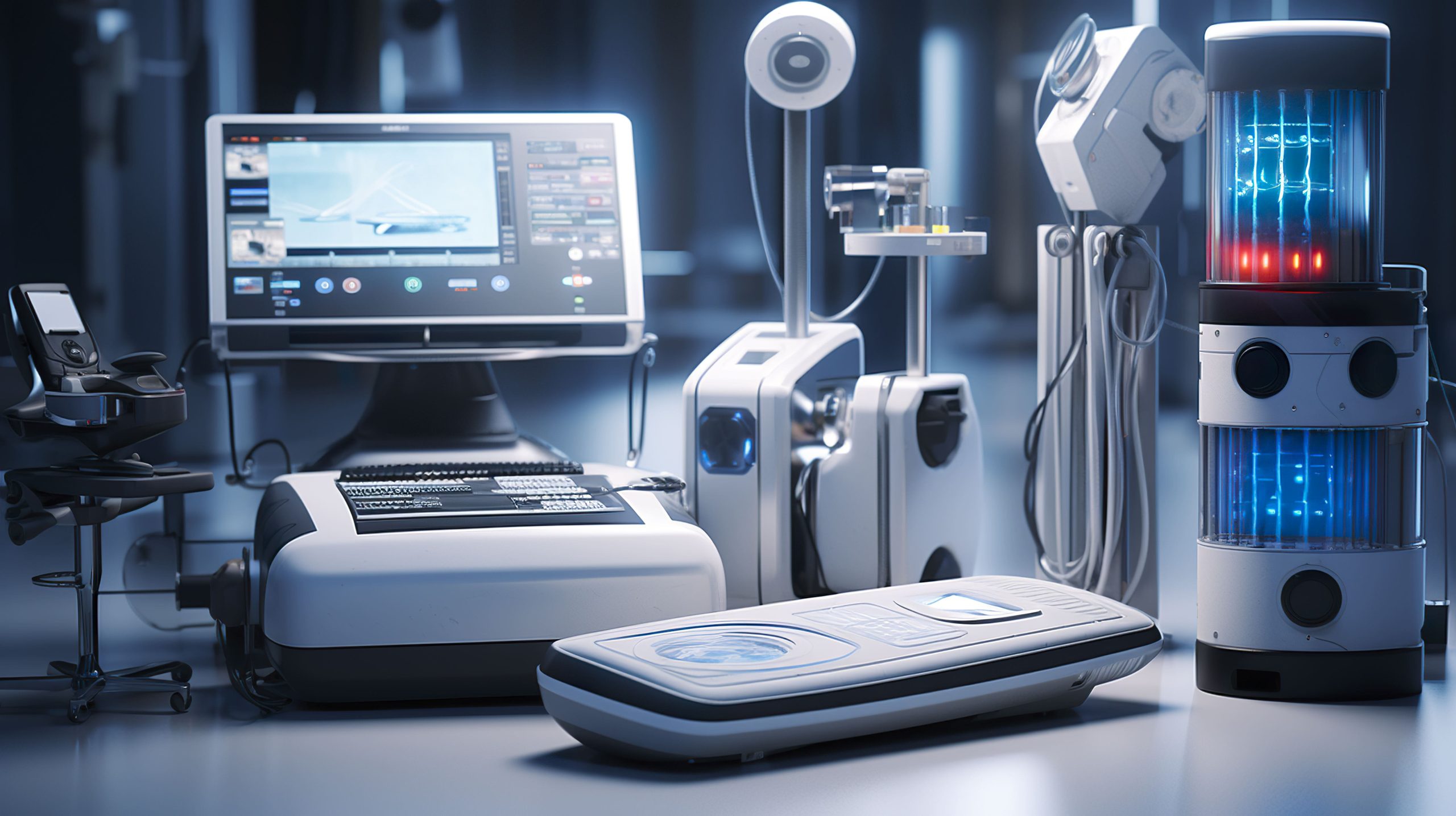
Brazil’s medical devices market is moving into a more interesting phase than many people expected a few years ago. It is already one of Latin America’s biggest healthcare equipment markets, but what stands out now is the shift in demand. The country is no longer only buying basic hospital equipment at scale. Hospitals, diagnostic chains, and specialty clinics are spending more on imaging systems, patient monitoring tools, minimally invasive surgical devices, and connected technologies that can improve efficiency as much as outcomes. That said, Brazil still carries a familiar contradiction. It has a large and sophisticated healthcare base, yet it remains heavily dependent on imported high-end equipment. For manufacturers and distributors, that creates both opportunity and friction. The market has room to expand, but pricing, regulation, and procurement cycles still shape what actually gets adopted on the ground.
What’s Driving the Medical Devices Market in Brazil?
Rising Chronic Disease Burden and an Aging Population
A large part of the demand story comes down to who needs care and how often. Brazil is dealing with a high prevalence of diabetes, cardiovascular disease, cancer, obesity-related complications, and orthopaedic conditions. These are not one-time treatment categories. They require recurring diagnostics, monitoring, intervention, and in many cases long-term management. That changes the purchasing mix. Hospitals need more imaging capacity, labs need better throughput, and clinicians increasingly rely on monitoring devices that can catch deterioration earlier. The aging population adds another layer to this. Elderly patients tend to use more diagnostic services, more implants, and more rehabilitation equipment. In practice, this pushes demand beyond large urban hospitals and into outpatient, rehabilitation, and even home-based care settings.
Private Healthcare Expansion and Diagnostic Investment
Brazil’s private healthcare segment has become one of the most important channels for device adoption. Large private hospital groups and diagnostics networks have been investing in equipment that helps them move faster, improve utilization, and attract higher-value procedures. That includes everything from advanced ultrasound and CT systems to ICU equipment and surgical technologies. There is also a commercial logic here. In private healthcare, patient experience and turnaround time matter. A hospital that can offer faster diagnostics or less invasive procedures often wins more referrals. So device purchasing is not just a clinical decision – it is also a competitive one. This is particularly visible in São Paulo, Rio de Janeiro, and other major urban centres where private providers are under pressure to differentiate.
Shift Toward Digital and Smarter Devices
The market is also changing because providers are becoming more selective about what “modern equipment” actually means. Buying standalone hardware is no longer enough. Healthcare providers increasingly want connected systems, software integration, remote monitoring capability, and AI-assisted decision support, especially in radiology and cardiology. This trend will likely separate winners from laggards. Devices that save clinician time or reduce diagnostic uncertainty tend to justify their price more easily. By contrast, equipment that offers only marginal improvement over older models may struggle unless pricing is highly competitive. That is an important distinction for suppliers looking at Brazil over the next decade.
Government-Led Initiatives
Regulation has long been one of the more frustrating parts of the Brazilian market, but there are signs of progress. ANVISA has been working to modernize approval pathways, improve registration processes, and reduce inefficiencies that historically slowed down market entry. For manufacturers, this matters as much as demand. A smoother regulatory process does not instantly transform the market, but it can shorten launch timelines and make Brazil more attractive for global MedTech firms. There is also a broader push to improve quality oversight, which may help formalize parts of the market that have remained fragmented. That said, policy progress in Brazil often looks better on paper than in execution, so companies still need patience.
Market Competition
Competition in Brazil’s medical devices space is fairly intense, particularly in high-value categories. Global names such as GE HealthCare, Philips, Siemens Healthineers, Abbott, and Medtronic have a strong presence, often working through local distributors and channel partners. Still, this is not a market controlled only by multinational giants. Regional distributors, specialist importers, and domestic assemblers all play a role, especially in mid-tier and price-sensitive segments. A common challenge for new entrants is not awareness, but access – getting into the right hospital groups, procurement networks, and physician referral channels can take time.
High Import Dependency
Brazil’s biggest structural weakness remains its dependence on imported medical technology, particularly for advanced imaging, surgical systems, and critical care equipment. That leaves the market exposed to exchange-rate volatility, customs delays, and higher landed costs. The result is simple: sophisticated devices often become more expensive than they should be. For public hospitals and budget-conscious buyers, that can delay replacement cycles or limit adoption altogether. It also means access to innovation is not always evenly distributed across the country.
Future Outlook
Brazil’s medical devices market has solid long-term potential, but growth will not be uniform. Demand should remain strongest in diagnostics, chronic care management, patient monitoring, orthopaedics, and home healthcare. AI-enabled tools and portable systems will likely gain more traction than oversized capital equipment in many settings. By 2035, the market should look more digital, more clinically specialized, and somewhat more efficient than it does today. But import reliance will remain a defining feature unless local manufacturing deepens meaningfully.
Consultants at Nexdigm, in their latest publication “Brazil Medical Devices Market Outlook to 2035”, believe that businesses should prioritize localization partnerships, regulatory preparedness, and investment in connected diagnostic and chronic care technologies, while focusing on high-demand segments such as imaging, patient monitoring, orthopaedics, and home healthcare devices.
To take the next step, simply visit our Request a Consultation page and share your requirements with us.
Harsh Mittal
+91-8422857704