
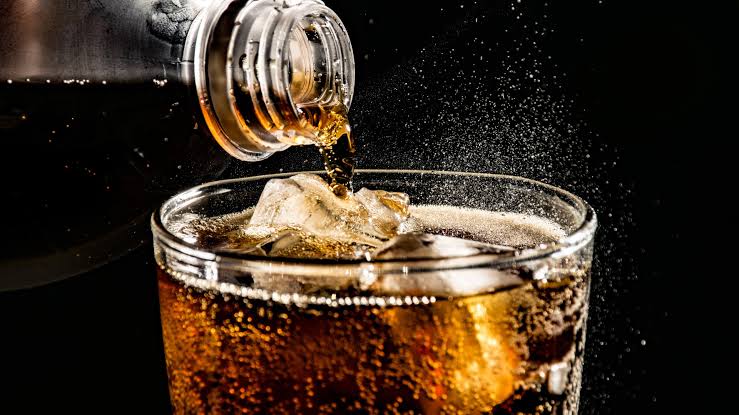
Brazil’s non-alcoholic beverages market is undergoing a dynamic transformation as consumers increasingly prioritize health, convenience, and premium experiences. From functional drinks and natural juices to flavored waters and low-sugar refreshments, beverage manufacturers are adapting quickly to changing lifestyles. Brazil also benefits from its strong agricultural base, particularly in citrus production, helping support a vibrant juice industry. The country remains the world’s leading orange producer with annual production of around 15.7 million tonnes, reinforcing its importance in the global beverage supply chain.
Market Drivers Advancing the Brazil Non-Alcoholic Beverages Industry
Rising Demand for Better-For-You Beverages
One of the strongest growth drivers in Brazil’s non-alcoholic beverages industry is the shift toward healthier consumption habits. Consumers are paying closer attention to sugar content, ingredients, and nutritional value. Research indicates that 55% of Brazilian consumers consider health and wellness claims when purchasing beverages, while nearly 40% actively prefer low-sugar options. As a result, brands are expanding portfolios with sugar-free soft drinks, functional waters, probiotic beverages, and natural fruit-based products. This trend is especially strong among younger consumers who seek wellness-focused alternatives without compromising taste.
Expanding Functional Water and Premium Beverage Categories
Functional and premium beverages are gaining traction across urban centers. Bottled water, flavored hydration products, vitamin-enhanced drinks, and energy beverages are becoming increasingly popular among working professionals and fitness enthusiasts. Brazil’s premium bottled water segment alone is projected to exceed USD 1.2 billion in market value, supported by growing consumer interest in hydration and healthy lifestyles. Consumers are no longer viewing beverages simply as refreshments; they increasingly expect products to contribute to overall wellness, immunity support, and active living.
Strong Juice Industry and Agricultural Advantage
Brazil enjoys a unique advantage thanks to its abundant fruit production. The country remains the leading global producer of orange juice and accounts for a significant share of worldwide orange juice exports. This strong agricultural ecosystem enables beverage manufacturers to develop fruit-based drinks, juices, nectars, and naturally derived beverages efficiently while supporting domestic supply chains. Growing consumer demand for natural ingredients is further strengthening this segment.
Government Initiatives Supporting the Brazil’s Non-Alcoholic Beverages Industry
Brazilian authorities continue to encourage transparency and healthier food and beverage consumption through labeling regulations and nutritional disclosure requirements. The National Health Surveillance Agency (ANVISA) requires clear ingredient and sugar-content labeling, helping consumers make informed purchasing decisions. In addition, sustainability initiatives and support for domestic agricultural production indirectly benefit beverage manufacturers by strengthening raw material availability and promoting responsible production practices across the value chain.
Competitive Landscape of the Brazil Non-Alcoholic Beverages Industry
Brazil’s non-alcoholic beverages sector features a mix of global leaders and strong domestic brands. Major companies such as Coca-Cola, PepsiCo, The Coca-Cola Company’s bottled water brands, Minalba Brasil, and regional beverage manufacturers compete across multiple categories. Competitive strategies increasingly focus on product innovation, healthier formulations, premium positioning, sustainable packaging, and digital engagement. Companies are also introducing localized flavors and functional ingredients to strengthen consumer loyalty.
Challenges Facing Brazil’s Non-Alcoholic Beverages Industry
Sugar Reduction and Regulatory Pressure
As awareness of nutrition-related health issues increases, beverage producers face growing pressure to reduce sugar levels while maintaining flavor and affordability. Reformulating products often requires additional investment in research, ingredients, and marketing.
Rising Packaging and Logistics Costs
Packaging materials and transportation expenses remain significant challenges across Brazil’s large geographic landscape. Industry reports highlight PET resin price fluctuations and logistics costs as important factors impacting beverage manufacturers’ profit margins. Companies must balance sustainability goals, operational efficiency, and competitive pricing while responding to evolving consumer expectations.
Future Outlook
The outlook for Brazil’s non-alcoholic beverages industry remains highly positive as health-conscious consumption, premiumization, and product innovation continue to shape demand. Beverage categories such as functional drinks, flavored waters, natural juices, and low-sugar refreshments are expected to experience strong adoption in the coming years. With its large consumer base, robust agricultural resources, and growing interest in wellness-oriented lifestyles, Brazil is well positioned to remain one of Latin America’s most influential beverage markets. Companies that successfully combine health benefits, sustainability, and appealing consumer experiences are likely to capture the greatest growth opportunities in this evolving landscape.
Consultants at Nexdigm, in their latest publication, “Brazil Non-Alcoholic Beverages Market Outlook to 2035“ analyze the sector By Product Type (Lemon-Lime Soads, Guarana-Flavored Sodas and Cola-Flavored Beverages), By Target Demographic (Generation Z, Millennials and Active Athletes) and By Packaging Format (PET Plastic Bottles and Aseptic Cartons).
Nexdigm suggests that businesses in “Brazil Non-Alcoholic Beverages Industry” focusses on oilfield, desalination, construction, and industrial applications, strengthen local warehousing, develop application-specific grades, improve technical support, and build resilient sourcing networks to serve expanding energy, water, and manufacturing demand.
To take the next step, simply visit our Request a Consultation page and share your requirements with us.
Harsh Mittal
+91-8422857704