
Brazil’s plastics industry sits at the center of several major parts of its economy, from food and beverages to agribusiness, construction, automotive, healthcare, and everyday consumer goods. Plastic product output reached approximately 7.46 million tonnes in 2024, while industry revenue stood at around R$164 billion. The sector also supports more than 404,000 direct jobs across roughly 14,600 companies. Yet the next phase of growth is beginning to look different. Manufacturers are placing greater emphasis on recycled materials, efficient production, smarter packaging, and applications that can deliver more value from every tonnes of plastic.
Key Drivers Shaping Plastics Demand in Brazilian Market
Packaging Adapts to the Way Brazilians Consume
Brazil’s large consumer base keeps packaging at the heart of plastics demand. Food, beverages, personal care, household products, and e-commerce all depend heavily on flexible and rigid plastic formats. But manufacturers are being pushed to rethink how that packaging is designed. Lightweighting, easier recyclability, recycled content, and reduced material use are becoming more important. For converters, the opportunity lies in protecting products and keeping costs manageable while making packaging easier to recover after use.
Agribusiness Gives Plastics a Distinctly Brazilian Growth Story
Brazil’s agricultural strength creates a demand profile that goes well beyond conventional packaging. Films, irrigation systems, pipes, containers, protective materials, and agricultural packaging all help improve productivity across the farming value chain. Circular materials are also beginning to find a place here. In 2024, Brazil’s agroindustry consumed approximately 92,000 tonnes of post-consumer recycled resin, more than 35% above the previous year. This creates room for suppliers that can deliver durable materials while incorporating recycled content into demanding agricultural applications.
Recycled Resin Moves Closer to Mainstream Manufacturing
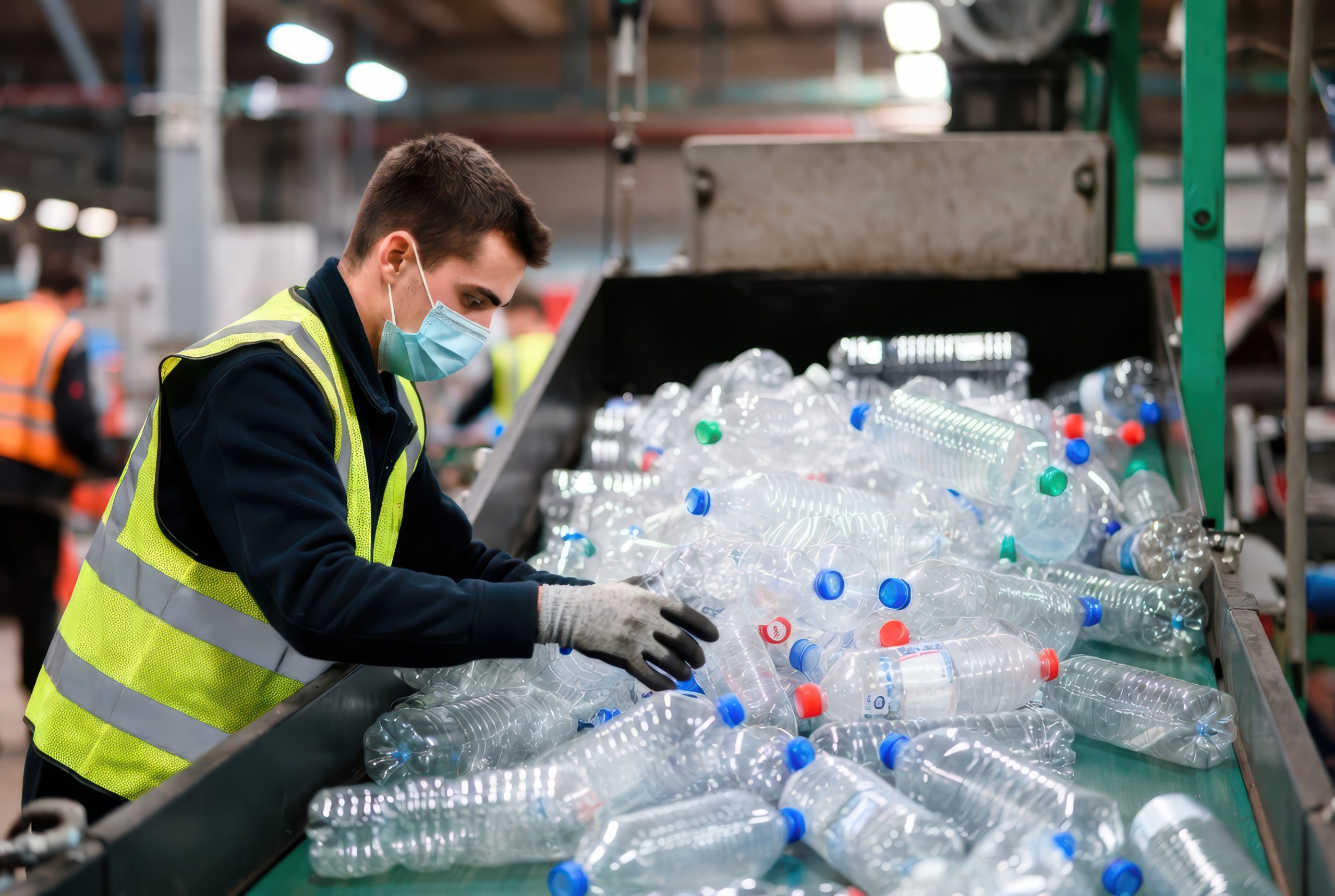
Recycling is gradually becoming part of Brazil’s industrial material strategy rather than simply an end-of-life solution. The country produced approximately 1.012 million tonnes of post-consumer recycled plastic resin in 2024, representing 7.8% annual growth. PET accounted for 39% of the total, followed by HDPE at 20% and PP at 18%. Better-quality recycled feedstock can open opportunities across packaging, construction, automotive components, agriculture, and consumer products.
Government Policies Influencing Brazil’s Plastics Demand
Brazil’s National Solid Waste Policy has established the broader framework for shared responsibility across the product lifecycle. More recently, the plastic-packaging reverse-logistics framework has increased the focus on collection, recovery, recycled content, and recyclable packaging. This is encouraging manufacturers, importers, distributors, and retailers to think beyond the point of sale and take a more active role in what happens to plastic products and packaging after use.
Competitive Landscape of Brazil’s Plastics Industry
Brazil’s plastics industry includes thousands of converters, recyclers, compounders, packaging producers, and specialized manufacturers. With roughly 14,600 companies operating across plastics transformation and recycling, competition is highly fragmented. Investment in automation, efficient machinery, sustainable packaging, recycling, and specialized materials can increasingly separate stronger performers from commodity-focused producers. Planned industry investment of approximately R$31.7 billion between 2025 and 2027 also signals continued modernization across the value chain.
Major Challenges Affecting Brazil’s Plastics Industry
Recycling Progress Is Real but Still Uneven
Brazil’s mechanical recycling rate for post-consumer plastics reached approximately 21% in 2024, while plastic packaging achieved 24.4%. That leaves considerable material outside formal recycling loops. Collection gaps, contamination, inconsistent sorting, and limited access to recycling infrastructure continue to affect the availability and quality of secondary raw materials.
Brazil’s Size Makes Recovery More Complicated
Circularity also looks very different depending on where plastic waste is generated. In 2024, mechanical recycling rates reached around 33% in the South and 24.1% in the Southeast, compared with 15% in the Northeast and only 3.5% in the North. Bridging these regional gaps will require stronger collection systems, local processing capacity, and more efficient connections between waste generators and recyclers.
Future Outlook
Brazil’s plastics industry is likely to remain closely tied to the country’s consumer economy, agriculture, infrastructure, and industrial development. What changes is how value is created. Recycled resins, recyclable packaging, advanced processing, better traceability, and stronger reverse-logistics networks can gradually become more important competitive factors. Agribusiness and packaging should remain major demand centers, while construction, healthcare, mobility, and specialized industrial applications offer further opportunities. Brazil’s next plastics growth story will increasingly depend on connecting its large domestic market with a more efficient and circular material system.
Consultants at Nexdigm, in their latest publication “Brazil Plastics Market Outlook to 2035,” analyze the sector By Polymer Type (Polyethylene, High density Polyethylene, Low Density Polyethylene, Polypropylene, Polyurethane and Polyvinyl Chloride), By End Use Industry (Packaging, Food and Beverage and Automobile Industries).
Nexdigm suggests that businesses in Brazil’s Plastics Industry must strengthen recycling integration, material traceability, and reverse-logistics capabilities as recycled-content requirements expand. Companies should modernize production, secure reliable, recycled feedstock, and develop higher-value solutions for packaging, agribusiness, construction, automotive, and consumer applications.
To take the next step, simply visit our Request a Consultation page and share your requirements with us.
Harsh Mittal
+91-8422857704