
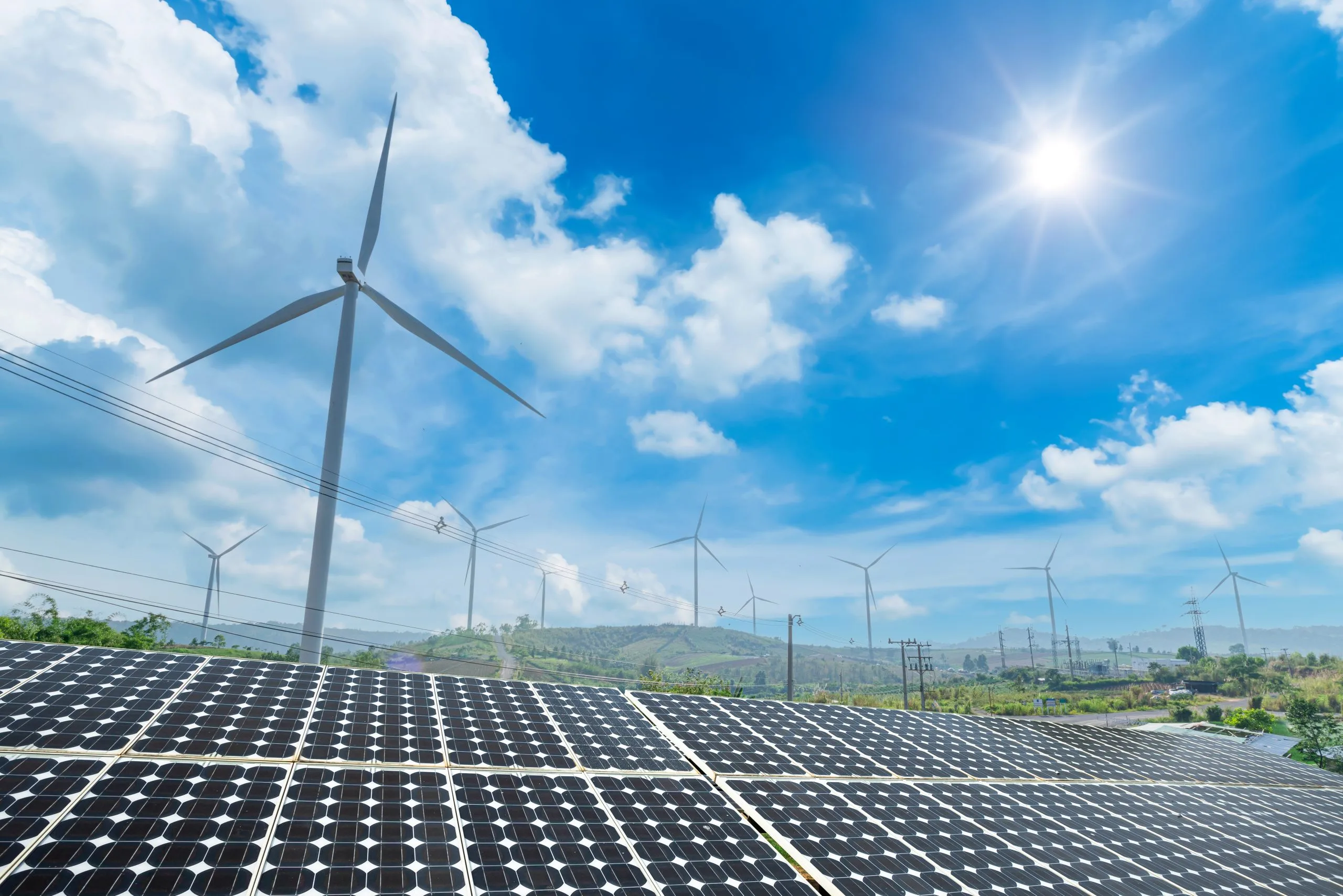
Brazil stands out as a pivotal market in global renewable energy expansion. Its electricity system is already dominated by clean power, with more than 84 % of generation capacity coming from renewable sources as of early 2026, driven largely by hydropower, wind, and solar additions. With ambitious capacity additions and growing investor interest, the country’s renewable energy sector is expected to expand substantially over the next decade and beyond, reshaping both domestic power supply and export participation in the wider clean energy transition.
Key Drivers Fueling Brazil Renewable Energy Growth
Strong Resource Base and Installed Capacity
Brazil’s renewable endowment is significant. Hydropower has historically dominated the matrix, but wind and solar capacity have scaled rapidly, supported by geographically diverse resource zones in the Northeast and Southeast. Installed renewables accounted for over 84% of total grid capacity in early 2026. Solar PV installations are forecast to exceed 75 GW by end‑2026, nearly doubling recent annual additions, and significant further capacity growth is expected.
Investment and Market Growth Trends
Market forecasts vary, with installed renewable capacity projected to grow from an estimated ~243 GW in 2026 to over 316 GW by 2031 at about 5.4 % CAGR. Meanwhile, broader revenue forecasts suggest strong growth through the 2030s driven by wind and solar segment expansion. Capital inflows from foreign developers, utilities and institutional investors are underpinning project pipelines and auction participation across technologies.
Corporate Demand and Diversification
Commercial and industrial energy consumers are increasingly procuring long‑term renewable power purchase agreements (PPAs) to hedge cost and achieve sustainability targets, adding stability to future demand curves and broadening the market beyond utility‑scale procurement.
Government Policies and Initiatives Supporting Renewable Energy Development
Brazil has created a supportive environment for renewable energy through auctions and incentive programs. These include tax benefits, long-term contracts, and financing options from institutions like BNDES. The country’s renewable energy auctions have helped reduce costs and provide more financial stability for developers. Additionally, regulatory measures are in place to improve the distribution network and plan for better integration, all of which help accelerate the transition to clean energy.
Competitive Dynamics in Brazil Renewable Energy Market
The market features domestic champions and international developers operating across hydro, wind, and solar segments. Large utilities and power producers, alongside foreign firms with multi‑gigawatt portfolios, drive much of the development. Mid‑size players and independent power producers (IPPs) serve niche regions and customer segments, while corporate procurement and distributed generation add competitive depth and diversify the installed base.
Key Challenges Facing Brazil Renewable Energy Sector
Grid & Operational Constraints
Rapid renewable capacity growth has exposed transmission bottlenecks and grid integration limits, sometimes leading to curtailments or output restrictions that hurt project economics.
Regulatory and Infrastructure Hurdles
Uncertainty around storage regulation, transmission of expansion timelines, and environmental licensing can delay project deployment and escalate costs. These structural barriers may temper investment appetite unless addressed with clearer policy frameworks and capital deployment for grid modernization.
Future Outlook
Through 2035, Brazil is positioned to remain a renewable energy growth leader in Latin America with continued wind and solar additions, further grid evolution and stronger private sector participation. Forecasts suggest sustained capacity expansion well beyond current levels, supported by ongoing auctions, corporate PPAs and technology cost declines. Policy reforms and infrastructure investments will be critical to unlocking deeper electrification, including storage and hybrid systems. If such enablers materialize, Brazil’s renewable sector is likely to strengthen its strategic role in domestic energy security and contribute to regional decarbonization objectives.
Consultants at Nexdigm, in their latest publication “Brazil Renewable Energy Market Outlook to 2035,” analyze the sector by System Type (Solar Power Systems, Wind Power Systems, Biomass Power Systems, Hydropower Systems), By Platform Type (Ground-mounted Systems, Rooftop Systems, Floating Systems), and By Fitment Type (On-site Solutions, Off-site Solutions, Hybrid Solutions). Nexdigm suggests that businesses should develop strategies that are closely aligned with current market trends and customer demands. By understanding the evolving dynamics of the industry, businesses can ensure they remain competitive, adapt to changes swiftly, and capitalize on emerging opportunities. This approach helps them stay ahead of the curve, enhance operational efficiency, and meet the specific needs of their target market.
To take the next step, simply visit our Request a Consultation page and share your requirements with us.
Harsh Mittal
+91-8422857704