
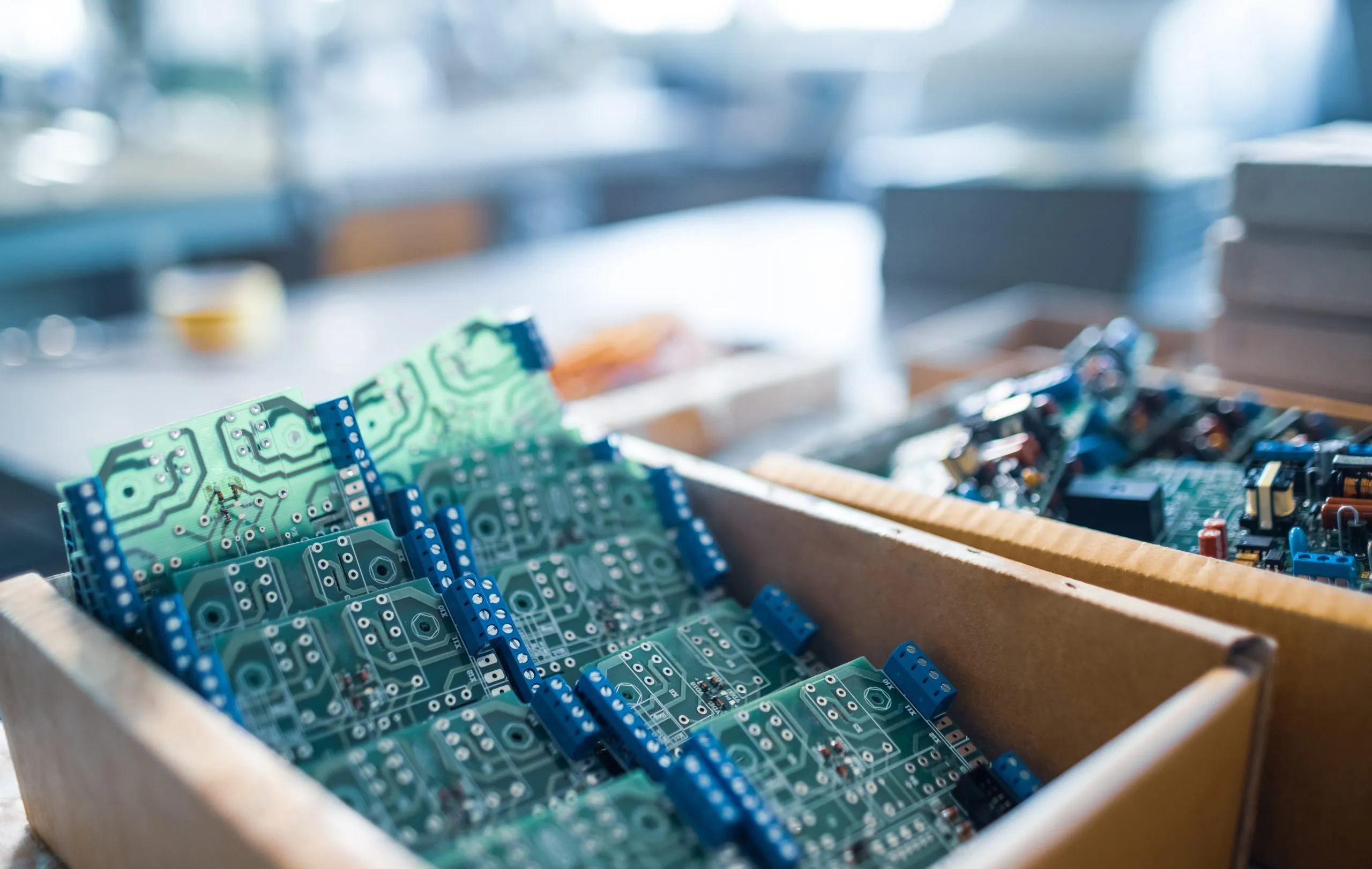
Brazil’s semiconductor manufacturing market is entering a more strategic phase as the country looks to reduce import dependence, support industrial digitalization, and participate more actively in global chip supply chains. While Brazil is not yet a large-scale advanced-node manufacturing hub, it has strengths in assembly, packaging, testing, memory modules, power devices, and semiconductor design. The broader Brazil semiconductor market was estimated at USD 15.08 billion in 2025 and is projected to reach USD 17.19 billion by 2030, growing at a 2.62% CAGR.
Rising Demand, Local Production Push, and Power Electronics Growth
Rising Electronics, Automotive, and Industrial Demand
Brazil’s demand for semiconductors is being supported by expanding electronics consumption, vehicle electrification, telecom upgrades, renewable energy systems, and industrial automation. The automotive segment is especially important: Brazil’s automotive semiconductor market generated about USD 1.57 billion in 2023 and is forecast to reach USD 3.35 billion by 2030, implying an 11.5% CAGR. As vehicles integrate more sensors, power-management chips, infotainment systems, and electric powertrain components, local assembly and packaging capacity could become more attractive.
Growth in Semiconductor Equipment and Production Infrastructure
Investment in fabrication, testing, and packaging capacity is gradually expanding the manufacturing ecosystem. Brazil’s semiconductor manufacturing equipment market generated around USD 457.8 million in 2025 and is expected to reach USD 737.4 million by 2033, growing at 6.2% CAGR. Other industry forecasts point to Brazil’s semiconductor production-equipment market growing at about 9.3% CAGR from 2025 to 2035, supported by technological upgrades and demand for local production capabilities.
Energy Transition and Power Semiconductors
Brazil’s renewable energy, solar inverter, and electric mobility ambitions are creating demand for power semiconductors, including silicon carbide devices. In December 2024, Brazil’s Science and Technology Ministry announced R$220 million for CEITEC to adapt its industrial platform for large-scale silicon carbide semiconductor production, with applications in solar energy conversion and electric vehicle control modules.
Government Initiatives Strengthening Brazil’s Semiconductor Ecosystem
Policy support is central to Brazil’s semiconductor outlook. The Nova Indústria Brazil strategy, launched in 2024, aims to reindustrialize the country through productivity, innovation, and sustainability goals up to 2033. Under Mission 4, Brazil committed R$186.6 billion to chips, cloud, robotics, AI, and industrial digitalization, with a goal of digitally transforming 50% of Brazilian industrial companies by 2033.
Key Players Shaping Brazil’s Semiconductor Manufacturing Ecosystem
Brazil’s semiconductor manufacturing base remains relatively concentrated and specialized. Key participants include CEITEC, focused on strategic domestic chip capabilities; Zilia Technologies, active in memory modules, packaging, and testing; and HT Micron, known for semiconductor back-end operations. Zilia announced a R$650 million investment through 2025, including R$475 million for packaging and testing equipment modernization and R$175 million for R&D. International suppliers still dominate advanced chips, so local players are likely to focus on packaging, power devices, IoT, automotive, and industrial applications.
Key Barriers Slowing Brazil’s Semiconductor Manufacturing Expansion
Limited Advanced Manufacturing Scale
Brazil’s semiconductor ecosystem is still limited compared with Asia, the United States, and Europe. The U.S. International Trade Administration notes that Brazil’s semiconductor ecosystem remains limited, even as the government seeks deeper integration into global supply chains. High capital requirements, long payback periods, and limited domestic advanced-node expertise constrain rapid fab development.
Talent, Supply Chain, and Cost Pressures
Semiconductor manufacturing needs specialized engineers, process technicians, cleanroom infrastructure, chemical supply chains, and reliable access to advanced equipment. Brazil must also compete with countries offering larger subsidy packages and established semiconductor clusters. As a result, the country’s near-term advantage is more likely in selected manufacturing niches than in leading-edge wafer fabrication.
Future Outlook
By 2035, Brazil’s semiconductor manufacturing market is expected to become larger, more policy-supported, and more focused on strategic niches. Growth will likely come from back-end manufacturing, chip packaging, memory modules, automotive electronics, power semiconductors, IoT devices, and industrial digitalization rather than cutting-edge logic fabs. Global semiconductor sales are projected by industry sources to continue expanding strongly toward 2035, with AI, data centers, mobility, and connected devices driving demand.
Consultants at Nexdigm, in their latest publication “Brazil Semiconductor Manufacturing Market Outlook to 2035,” analyze the sector by System Type (Memory Semiconductors, Logic Semiconductors, Power Semiconductors, Optoelectronics), By Platform Type (Automotive Platforms, Consumer Electronics Platforms, Industrial Platforms), and By Fitment Type (Integrated Circuits, Discrete Components, Optical Components). Nexdigm suggests that businesses should prioritize strategic partnerships, local value-chain participation, and policy-aligned investments to capture emerging opportunities in Brazil’s semiconductor manufacturing ecosystem. Companies should assess demand from automotive electronics, power semiconductors, industrial automation, and IoT applications, while building supply-chain resilience through localized assembly, packaging, testing, and design capabilities.
To take the next step, simply visit our Request a Consultation page and share your requirements with us.
Harsh Mittal
+91-8422857704