
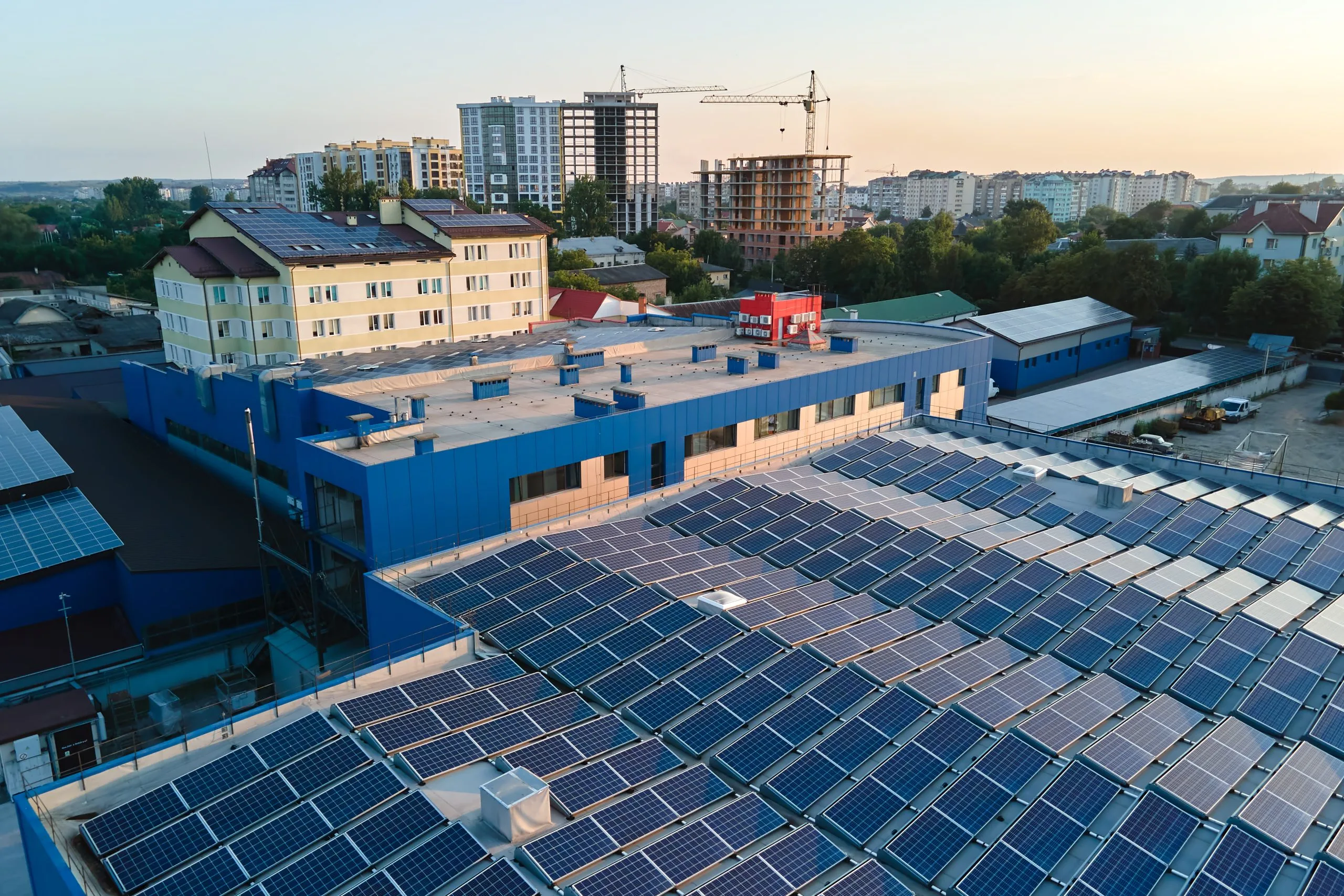
Brazil’s solar EPC (Engineering, Procurement, and Construction) market is on an exciting growth trajectory, poised to play a crucial role in the nation’s renewable energy future. With its abundant sunshine and a rapidly expanding power demand, Brazil is becoming a key player in solar energy. The country has already seen remarkable growth in solar installations, and this trend is expected to continue, with the market for solar EPC services flourishing through 2035. The increasing demand for both utility-scale and rooftop solar projects will drive this growth, positioning Brazil as a leader in Latin America’s solar energy transition.
Key Market Drivers Shaping Brazil Solar EPC Growth
Growing Solar Capacity and Favorable Climate
Brazil has exceptional solar resources, especially in its northeast and central regions, making it ideal for large-scale solar power plants. In 2025, the country added over 2.8 GW of new solar capacity, a major leap toward its renewable energy goals. As solar technology continues to become more affordable, both large utility projects and smaller distributed systems (like rooftop solar) are attracting significant investment. This growth in installed capacity is directly fueling the demand for EPC services.
Distributed Generation and Rooftop Solar Surge
As energy consumers seek cost savings and greater energy independence, distributed solar generation is gaining momentum. Brazil’s net metering policies have made rooftop solar an attractive option for residential and commercial customers. This trend, coupled with decreasing solar panel costs, is driving a wave of smaller solar installations across the country, creating a robust demand for EPC services tailored to these smaller-scale projects.
Rising Energy Demand and Energy Transition Goals
Brazil’s energy demand continues to rise, driven by its growing economy and population. The need for diversification beyond hydropower has made solar energy a critical component of Brazil’s energy mix. Solar power now represents an increasing share of new capacity additions, with continued government support for renewable energy set to ensure that solar remains a central focus in Brazil’s energy future.
Government Policies and Initiatives Boosting Solar EPC Growth
The Brazilian government has been actively supporting solar energy through various policies, such as the net metering system and dedicated renewable energy auctions. These initiatives are designed to encourage both residential and commercial solar adoption. Additionally, the government’s commitment to reducing the country’s carbon footprint ensures continued backing for solar energy growth, which will keep driving demand for EPC services.
Competitive Dynamics and Key Players in Brazil Solar EPC Market
Brazil’s solar EPC market is highly competitive, with a mix of local and international players offering a wide range of services from design to commissioning. Large-scale projects are often managed by well-established global EPC firms, while smaller installations see local contractors taking the lead. The market remains dynamic, with players constantly innovating to stay ahead in both technology and service delivery, contributing to an ever-growing market share for solar in Brazil’s energy sector.
Key Challenges Impacting Brazil’s Solar EPC Market Development
Grid Integration & Infrastructure Limitations
As solar energy grows, Brazil faces the challenge of integrating this new capacity into its grid, which has at times struggled with congestion. Limited grid infrastructure and energy storage options can lead to curtailment, limiting the potential of solar power plants. These issues present obstacles to project developers and EPC firms that must navigate the complexities of energy storage and grid connection.
Regulatory Uncertainty
The solar market in Brazil is not without its regulatory hurdles. Changes in policies, such as new tariffs or adjustments to the net metering system, can create uncertainty for developers and EPC contractors. The fluctuating regulatory environment, including concerns around compensation for curtailment and grid access, can slow down the pace of new projects.
Future Outlook
Brazil’s solar EPC market is expected to continue expanding through 2035, driven by strong government support, falling solar costs, and growing consumer demand for clean energy. As the country moves toward integrating more advanced technologies like energy storage and smart grids, the EPC market will evolve to support these innovations. With vast untapped solar potential and a government dedicated to a sustainable energy future, Brazil is well-positioned to remain a leader in Latin America’s renewable energy market.
Consultants at Nexdigm, in their latest publication “Brazil Solar EPC Market Outlook to 2035,” analyze the sector by System Type (Utility-Scale Solar Systems, Commercial Solar Systems, Residential Solar Systems, Off-Grid Solar Systems), By Platform Type (Ground-Mounted Solar Systems, Rooftop Solar Systems, Floating Solar Systems), and By Fitment Type (On-Grid Solutions, Off-Grid Solutions, Hybrid Solutions). Nexdigm suggests that businesses should understand the evolving market trends, regulatory environment, and technological advancements to stay competitive in the rapidly growing solar EPC sector. By keeping an eye on factors such as government policies, energy demand, and innovations in solar technology, businesses can better anticipate challenges and seize emerging opportunities in Brazil’s solar energy market.
To take the next step, simply visit our Request a Consultation page and share your requirements with us.
Harsh Mittal
+91-8422857704