
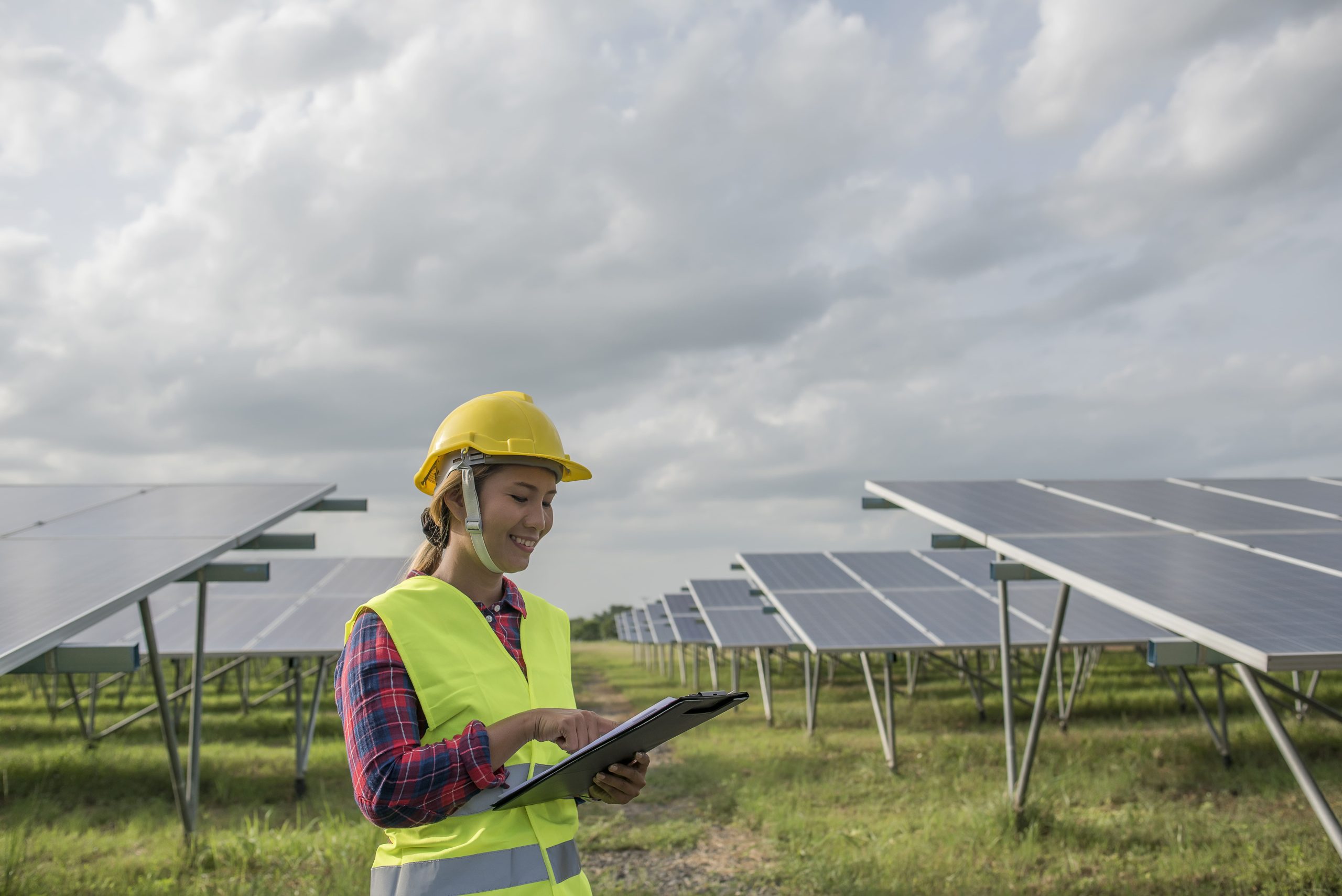
Brazil’s Solar PV Mounting Systems Market is experiencing robust growth as the country strengthens its position as one of the world’s largest and fastest-growing solar energy markets. Brazil’s installed solar PV capacity has exceeded 55 GW, making solar one of the nation’s leading sources of new power generation. The country also hosts more than 3.5 million distributed generation (DG) solar systems, with residential, commercial, industrial, and agricultural users increasingly adopting rooftop solar solutions. Supported by average solar irradiation levels of 4.5–6.5 kWh/m² per day, abundant land availability, and growing private-sector investment, Brazil continues to attract large-scale solar developments across states such as Minas Gerais, Bahia, Piauí, and Ceará. As utility-scale projects expand and distributed solar adoption accelerates, demand for advanced mounting structures, single-axis tracker systems, corrosion-resistant support frameworks, and cost-efficient installation solutions is expected to grow significantly, creating substantial opportunities for mounting system manufacturers and infrastructure providers through 2035.
Key Market Drivers for the Brazil Solar PV Mounting Systems Market
Rapid Growth of Distributed Generation Installations Drives Rooftop Mounting System Demand
Brazil has emerged as one of the world’s largest distributed solar markets, with more than 3.5 million distributed generation (DG) systems connected to the grid and a distributed solar capacity base exceeding 35 GW. Residential homeowners, commercial establishments, rural properties, and industrial facilities continue to adopt rooftop solar to reduce electricity costs and improve energy independence. The rapid expansion of DG installations across states such as Minas Gerais, São Paulo, Rio Grande do Sul, and Paraná is generating substantial demand for lightweight aluminum racking systems, tile-roof mounting structures, metal-roof attachments, and modular mounting solutions that can support diverse building configurations.
Expansion of Utility-Scale Solar Parks Creates Strong Demand for Ground-Mounted Infrastructure
Brazil’s utility-scale solar sector continues to attract significant domestic and international investment, with total solar PV capacity exceeding 55 GW nationwide. The country’s solar-rich northeastern states, including Bahia, Piauí, Ceará, and Pernambuco, are witnessing strong growth in large-scale solar projects due to high solar irradiation levels that average 4.5–6.5 kWh/m²/day. These projects require extensive deployment of galvanized steel support structures, pile-driven foundations, and tracker-compatible mounting systems. As Brazil expands transmission infrastructure and renewable energy capacity, demand for utility-scale mounting solutions is expected to remain a major market growth driver.
Increasing Adoption of Solar Trackers Enhances Project Performance and Energy Yield
Brazil has become one of the leading markets globally for solar tracking technology due to its favorable solar resource conditions and large utility-scale project sizes. Single-axis solar tracker systems can increase electricity generation by approximately 15%–30% compared with fixed-tilt installations, particularly in high-irradiance regions. As developers focus on lowering the levelized cost of energy (LCOE) and maximizing project returns, demand for tracker-integrated mounting systems, automated positioning technologies, and high-durability structural components is increasing rapidly. This trend is further supported by the growing development of solar-plus-storage facilities and large-scale renewable energy projects across the country.
Government Support and Initiatives Supporting the Brazil Solar PV Mounting Systems Market
Brazil’s Solar PV Mounting Systems Market continues to benefit from supportive renewable energy policies and long-term power sector diversification initiatives. The country has established itself as one of the largest solar markets outside Asia, with installed solar capacity exceeding 55 GW, representing a substantial increase over recent years. Government-backed energy auctions, distributed generation regulations, and investments in transmission infrastructure continue to support solar deployment. In addition, Brazil’s commitment to expanding renewable energy generation and reducing carbon emissions is encouraging further investment in utility-scale solar parks, commercial rooftop projects, and associated mounting infrastructure.
Competitive Landscape of the Brazil Solar PV Mounting Systems Market
The Brazil Solar PV Mounting Systems Market is highly competitive, with international solar infrastructure companies, domestic steel manufacturers, EPC contractors, and engineering firms actively expanding their capabilities. Competition centers on installation efficiency, structural durability, corrosion resistance, and cost optimization. With solar capacity exceeding 55 GW and distributed generation installations numbering in the millions, mounting system suppliers are investing in galvanized steel structures, aluminum racking systems, tracker-compatible designs, and localized manufacturing capabilities. Strategic partnerships between solar developers, EPC firms, and mounting technology providers are also increasing as large-scale and distributed solar projects continue to expand nationwide.
Major Challenges Facing the Brazil Solar PV Mounting Systems Market
Supply Chain and Raw Material Price Volatility
Fluctuations in steel, aluminum, and logistics costs can significantly impact project economics. Manufacturers and developers must manage procurement risks while maintaining competitive pricing and installation efficiency.
Grid Infrastructure Constraints in High-Growth Regions
The rapid pace of solar deployment in certain regions has created challenges related to grid connectivity and transmission capacity. Developers must coordinate infrastructure planning to ensure efficient integration of new solar projects.
Future Outlook
Brazil’s solar PV mounting systems market is expected to experience robust growth through 2035, supported by solar capacity that has already exceeded 60 GW and is projected to continue expanding rapidly. Distributed generation capacity has reached approximately 40 GW, while total installed solar capacity could surpass 75 GW in the coming years. Rising investments in utility-scale solar farms, commercial rooftop projects, battery storage integration, and grid modernization will continue to drive demand for advanced mounting structures. Future market growth is likely to be supported by solar tracking technologies, localized manufacturing, and innovative structural solutions designed to improve project efficiency and long-term performance.
Consultants at Nexdigm, in their latest publication “Brazil Solar PV Mounting Systems Market Outlook to 2035,” analyse the sector By Mounting System Configuration (Roof-Mounted Pitched Systems, Ground-Mounted Driven Piles and Ballasted Flat-Roof Systems), By Target Application Environment (Utility-Scale Solar Parks and Commercial and Industrial Rooftop) and By Material Composition (Anodized Aluminum Alloy, Hot-Dip Galvanized Steel, Magnelis Aluminum Alloy).
Nexdigm suggests that businesses in Brazil’s Solar PV Mounting Systems Industry prioritize advanced tracker technologies, localized manufacturing capabilities, and strategic partnerships with utility-scale and distributed solar developers to capitalize on the country’s rapidly expanding solar capacity and long-term renewable energy investment opportunities.
To take the next step, simply visit our Request a Consultation page and share your requirements with us.
Harsh Mittal
+91-8422857704