
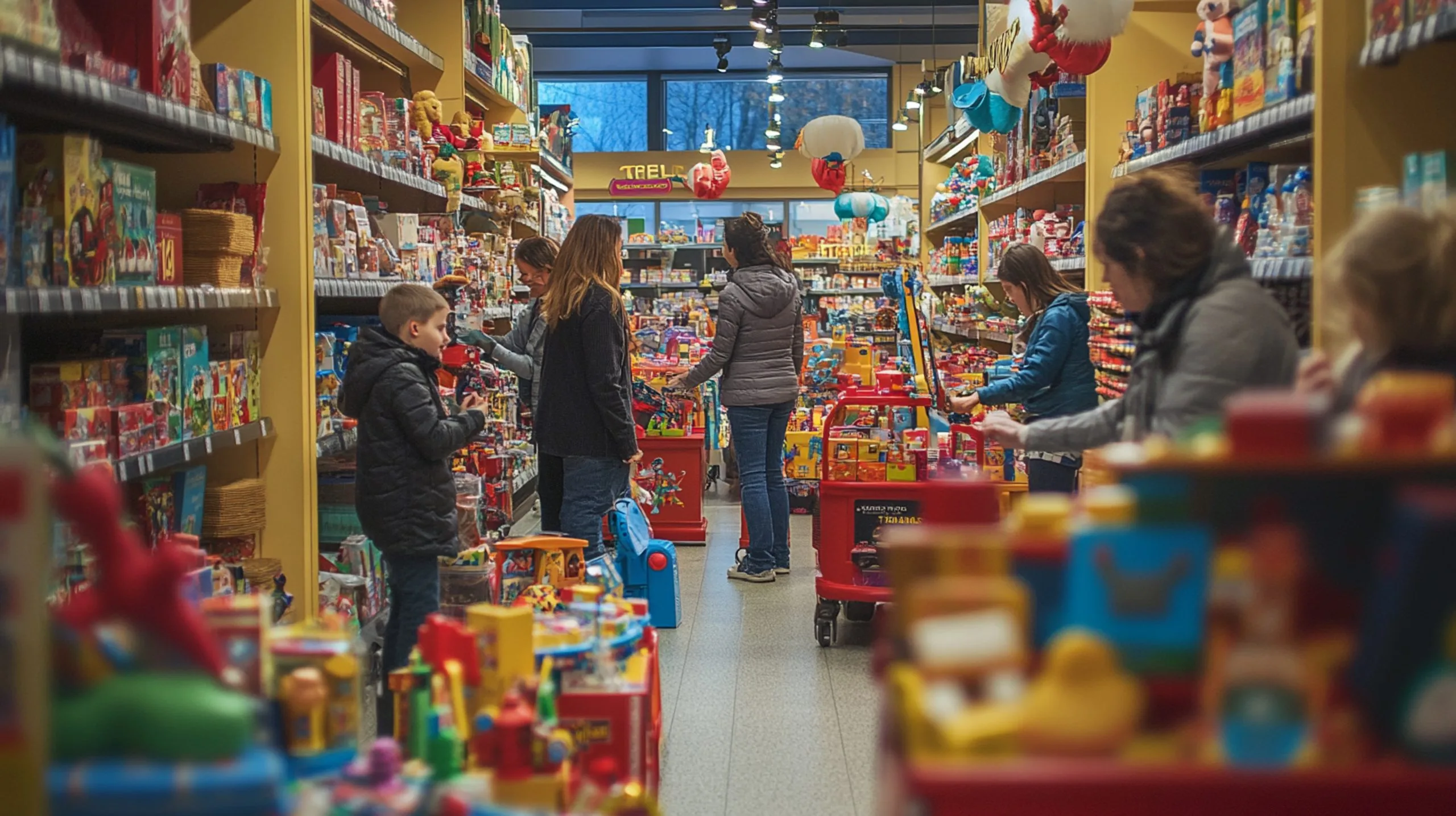
The Brazil toys and games market is expanding as families, children, collectors, and adult consumers look for products that offer entertainment, learning, creativity, and emotional connection. The market was valued at around USD 2.67 billion in 2025 and is projected to reach USD 3.80 billion by 2034, growing at a 3.99% CAGR. Demand is supported by educational toys, licensed characters, building sets, plush toys, collectible cards, board games, and digital retail channels. As consumers become more selective, brands are focusing on affordability, product safety, creativity, and stronger retail visibility.
Key market drivers are strengthening Brazil’s toys and games industry
Educational toys and skill-based play are gaining household relevance
Educational toys are becoming more important for Brazilian families as parents look for products that support learning while keeping children engaged. Building blocks, puzzles, science kits, craft products, memory games, language-based toys, and problem-solving games are gaining attention because they combine play with developmental benefits. These products support creativity, coordination, focus, and social interaction. Building blocks recorded strong growth of around 38%, reflecting rising demand for constructive and hands-on play. Brands that can make learning enjoyable, age-appropriate, and affordable are likely to build stronger connections with parents and children.
Collectibles and licensed products are encouraging repeat purchases
Collectibles are reshaping toy demand in Brazil by creating excitement around repeat buying, limited editions, and social sharing. Collectible cards recorded growth of around 46%, while plush toys grew by nearly 24% and mini vehicles increased by about 23%. Licensed products linked to cartoons, films, sports, gaming, and pop culture continue to attract both children and adult buyers. These products benefit from emotional attachment, gifting occasions, and strong brand recall. For toy companies, character-led products and collectible formats create opportunities for seasonal launches and stronger consumer engagement.
E-commerce and omnichannel retail are improving product access
Online marketplaces, brand websites, social media, and retailer apps are making toys and games easier to discover across Brazil. Consumers can compare prices, read reviews, track offers, and access wider product choices beyond physical stores.
Government standards and formal retail development are supporting consumer trust
Government regulations related to product safety, labelling, quality certification, and consumer protection play an important role in Brazil’s toys and games market. Toy manufacturers and importers must comply with safety requirements designed to protect children from unsafe materials, choking hazards, and poor-quality products. These standards help improve consumer confidence in organized brands and formal retail channels. Broader support for retail modernization, digital payments, and e-commerce development is also helping toy businesses reach consumers more efficiently across urban and regional markets.
Competitive landscape is becoming more licensed and innovation focused
The Brazil toys and games market includes global toy companies, domestic manufacturers, licensed product suppliers, board game publishers, online sellers, specialty toy stores, supermarkets, and private-label retailers. Competition is shaped by price, brand visibility, product safety, licensing strength, retail access, and seasonal promotions. Large brands benefit from established distribution and franchise partnerships, while local players compete through affordability, culturally relevant products, and flexible product ranges. Categories such as collectibles, educational toys, plush toys, and building sets are becoming important areas of differentiation.
Market challenges continue to affect affordability and product planning
Price sensitivity is influencing consumer choices
Many Brazilian consumers remain price-conscious, especially when purchasing discretionary products. Higher costs for materials, imports, logistics, packaging, and retail operations can make it difficult for brands to maintain affordable pricing.
Fast-changing trends create inventory and demand risks
Toy trends can shift quickly due to social media, entertainment releases, and seasonal demand. Businesses may face excess inventory if products lose appeal quickly or missed sales if popular items are understocked.
Future outlook
The future outlook for the Brazil toys and games market remains positive, supported by educational play, collectibles, licensed merchandise, e-commerce growth, and demand for affordable entertainment. Opportunities are expected across STEM toys, building sets, board games, plush products, collectible cards, character-based toys, and hybrid physical-digital play. As families seek products that combine fun, learning, and value, brands will need to balance innovation with affordability and safety. Companies that invest in strong distribution, localized products, digital visibility, and trusted quality standards will be better positioned for long-term growth.
Consultants at Nexdigm, in their latest publication “Brazil toys and games market outlook to 2035,” analyze the sector By Product Category (Action Figures and Accessories, Dolls and Role-Play Toys, Plush Toys, Building Sets), By Age Group (Infants and Toddlers, Preschool Children, Tweens and Teens)
Nexdigm suggests that businesses in the Brazil toys and games market should focus on educational toys, collectibles, and licensed products to align with changing consumer demand.
To take the next step, simply visit our Request a Consultation page and share your requirements with us.
Harsh Mittal
+91-8422857704